

Sound quality influences the impact of stage and theatre productions. Whether it’s a single speaker or a group performance, echoes and reverberations can present auditory challenges and distract from what’s happening on stage. That’s why it’s important to incorporate acoustic banner systems into your venue.
Those structures balance sound clarity by absorbing auditory reflections so audience members and performers can hear speech and music. They’re suitable for a variety of venues and are available in retractable and motorized options.
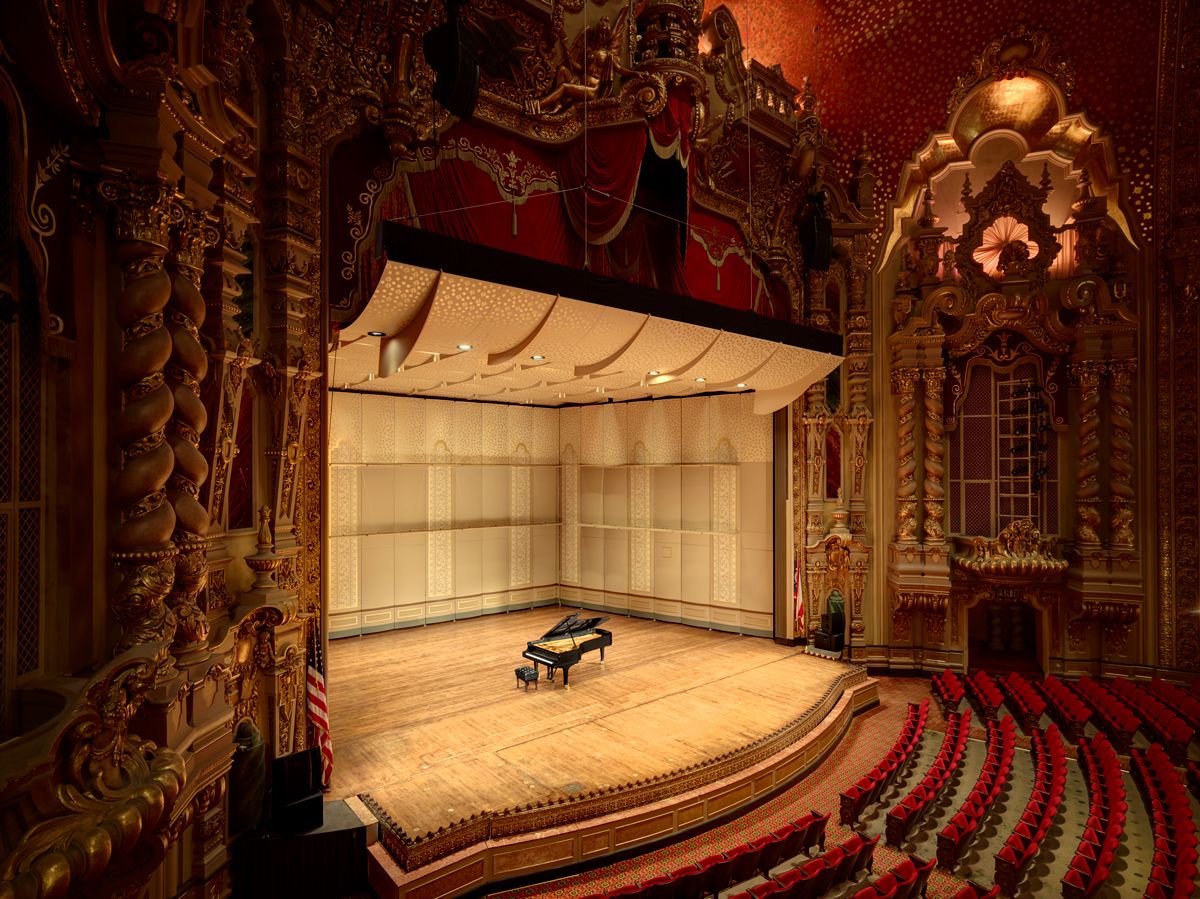
What are Acoustic Stage and Theatre Banners?
They’re specialized panels of fabric designed to improve sound quality within a space, particularly those with high ceilings and open spaces. Acoustic banners absorb high- and mid-frequency noises that create echoes and reverberations when the sound waves encounter ceilings, walls and windows. The fabric prevents sound waves from bouncing back toward the stage.
Controlling that reflection balances the auditory elements within your performance space. People in the audience can better distinguish vocals, and performers have a better chance of hearing instruments and cues. Good acoustics also make a theatre feel more intimate and enhance engagement.
Types of Acoustic Banner Systems
Dead hung banners: These banners cover ceilings, walls and catwalks. They’re an easy, low-maintenance solution for spaces like lecture halls and studios that require consistent sound absorption.
Motorized acoustic track systems: Automated setups allow you to raise, lower and adjust acoustic banners from a control panel. Motorized acoustic systems are flexible and can be integrated into existing automation.
Manually operated acoustic banners: This type of acoustic stage banner is adjusted by hand using pulleys or mechanical tracks. Your crew can manually deploy or retract them based on the type of performance. They’re a more affordable option for schools, community theatres and smaller venues.
Roll-up banners: These sound banner systems are rolled into a storage structure when not in use. They’re available in manual and motorized styles and offer discreet auditory enhancement. That allows you to maintain visual appeal while balancing the acoustic environment.
Factors to Consider When Choosing Acoustic Banners
Venue size: The size of your venue will dictate the number and quality of your acoustic banners. Larger rooms and theatres tend to have more echoes and longer reverberations, requiring more acoustic banners. Smaller spaces can make do with a simpler system without sacrificing sound absorption.
Acoustic banner fabric: Denser, more porous fabrics offer higher noise reduction capabilities, allowing them to absorb more frequencies. Some systems use fiberglass panels or multi-layered textiles to provide a wider range of control.
Setup: The size of your staff, the structure of your theatre and the level of flexibility you require will dictate your choice between a fixed or adjustable system. Dead hung systems are ideal for spaces that host similar events and performances. Motorized acoustic banners are better suited for diverse venues that feature plays, concerts and lectures.
Performance type: Musical performances require consistent acoustic control to avoid unpleasant reverb that could distract the audience. Stronger sound absorption is necessary for spoken productions to help people hear what’s being said onstage.
Budget: Fixed systems are more cost-effective and simpler to manage. While motorized systems typically include higher upfront expenses, they provide long-term versatility that can offset the cost of multiple performances.
Acoustic Banner System Installation
Proper installation helps ensure your acoustic banners operate to their full potential and prevent them from interfering with aesthetics. Incorrect placement can create dead zones or even produce more reflective spots that distort audio quality. It’s important to keep structural safety in mind, too, when installing your acoustic banners to avoid tension and retraction issues.
You can hang acoustic banners in the following places:
- Side walls
- Ceiling panels and rafters
- Proscenium arches
- Rear stage walls
Keep sight lines and additional drapery in mind when coordinating your system to optimize sound design and stage presentation. Partnering with acoustic engineers and professional rigging companies can simplify the process. Those individuals understand how to maximize banner designs to enhance performance, improve product longevity and increase your return on investment.
Expert Installation from Tiffin Scenic Studios
Make the most of your space with custom banner systems from Tiffin Scenic Studios. We offer a variety of products and installation services to ensure your venue can handle the acoustic challenges of performances, speeches and musical productions. Learn about our services and contact us to schedule a consultation.