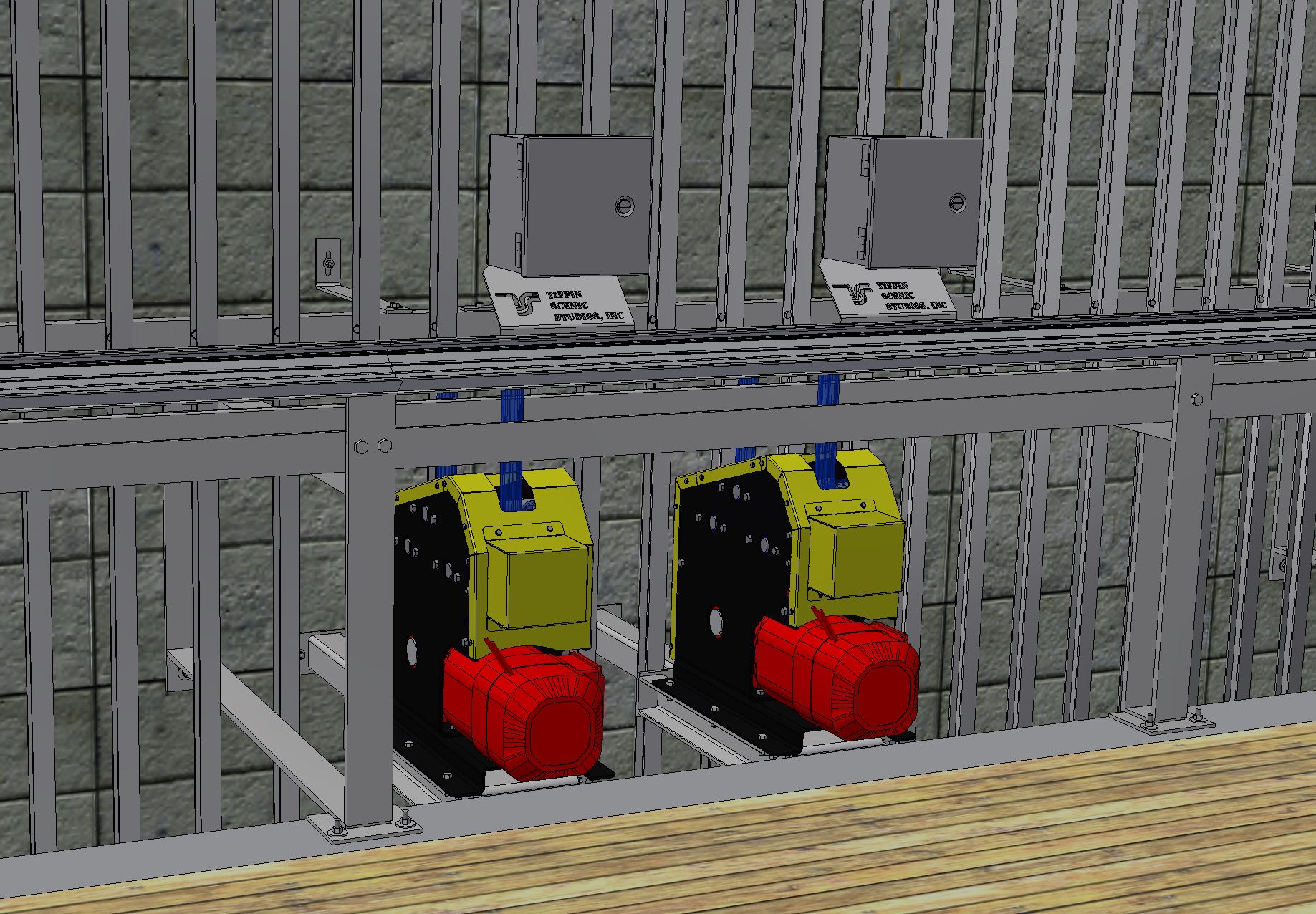
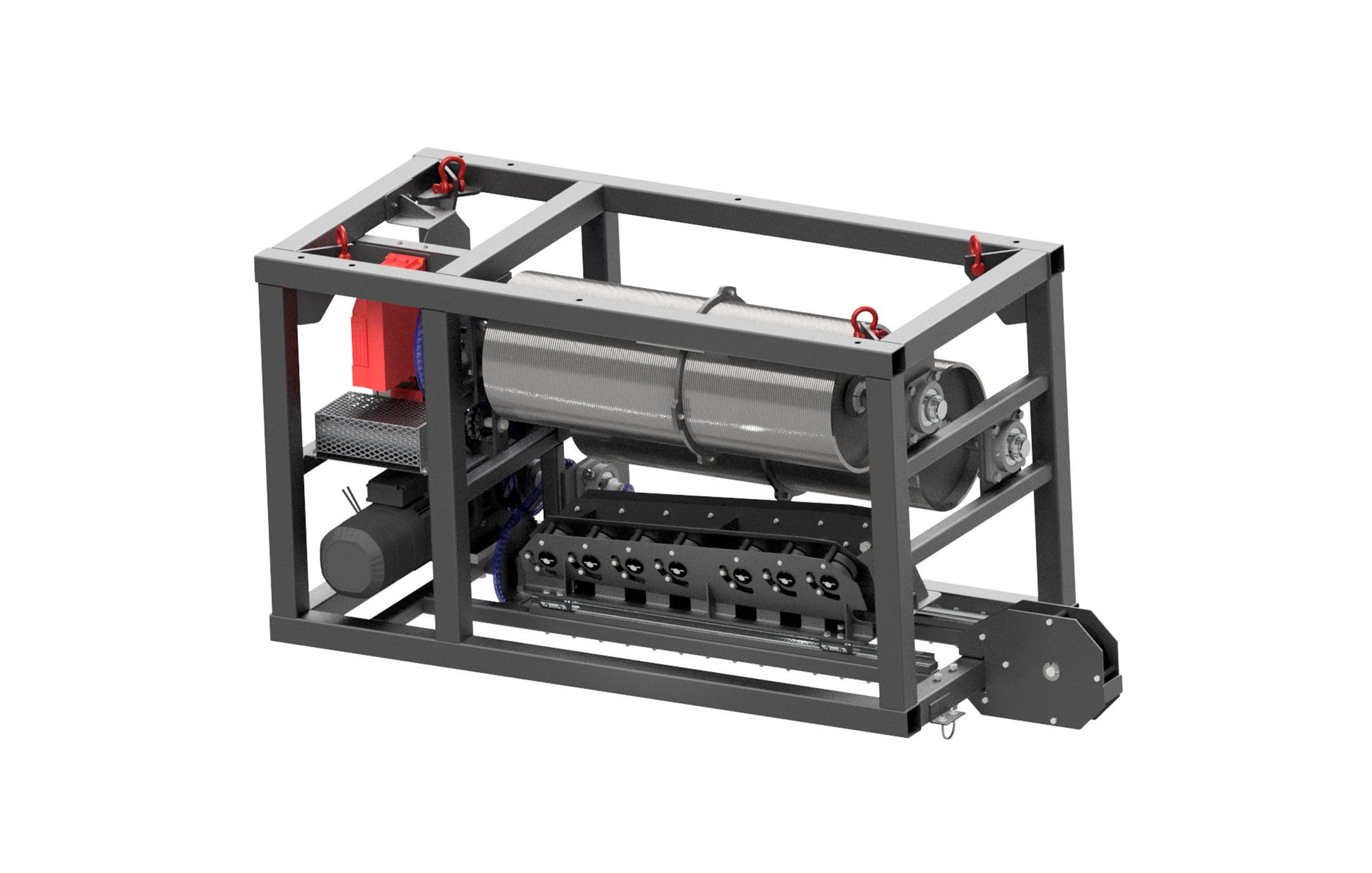
Automation allows for enhanced visual displays in theatre and stage productions. Motorized mechanisms replace the need for manual labor, supporting precise, controlled movement. This type of equipment includes hoists, winches, pulleys, battens, safety devices and control systems. You can program automated moves based on the height and location of each rigging component.
Advantages of Motorized Rigging vs. Manual Rigging
Here are the primary advantages of using motorized rigging over manual rigging:
Efficiency: Manual rigging requires physical coordination, which can increase setup time. With motorized alternatives, you can shift multiple elements simultaneously with programmable controls.
Safety: Automating your setup reduces the physical strain on your staff and eliminates the need to move heavy components by hand, lowering the risk of injury and accidents.
Speed: With motorized theatre and stage rigging, you can shift suspended elements on cue. You may struggle with efficient handling and rapid changes when using manual rigging.
Flexibility: Automated systems can coordinate and synchronize multiple elements, whereas manual options are limited by manpower and scope.
CONTROL SYSTEMS
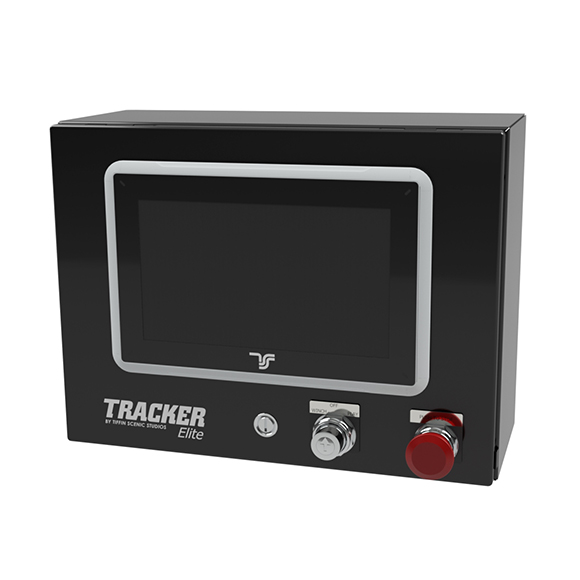
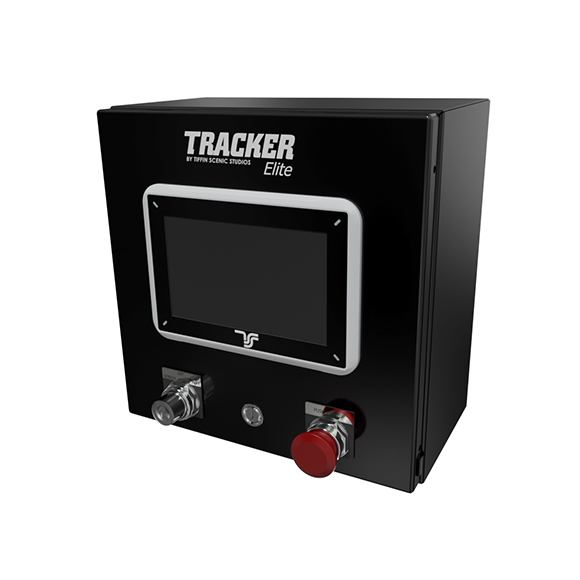
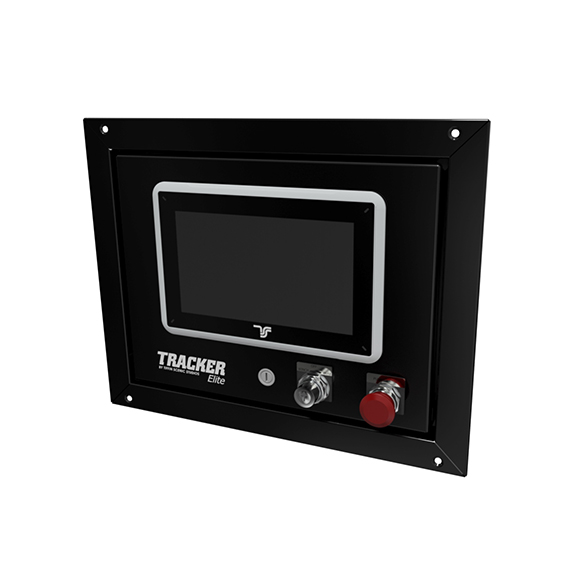
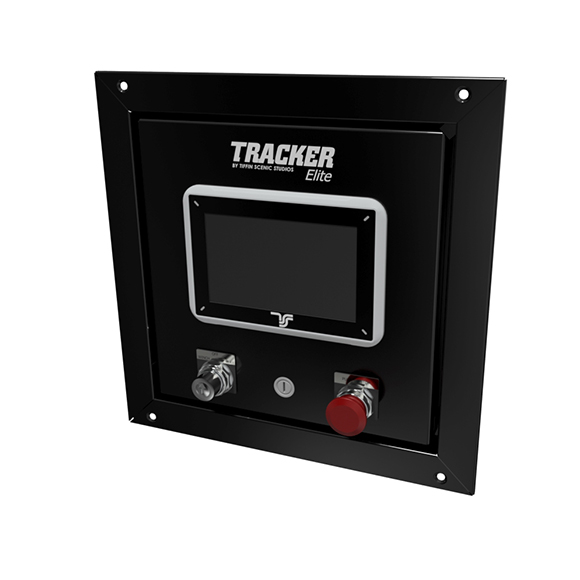
Tracker Elite Control System
This high-end control system can operate hoists, winches and those automated elements via a digital interface. You can program heights, speeds and sequences for different components.
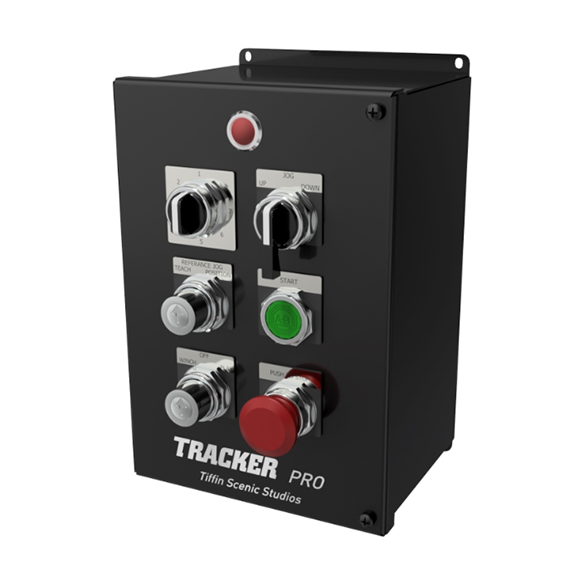
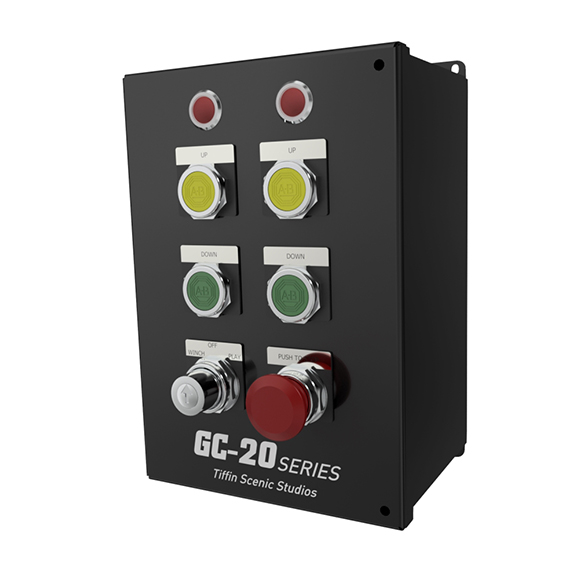
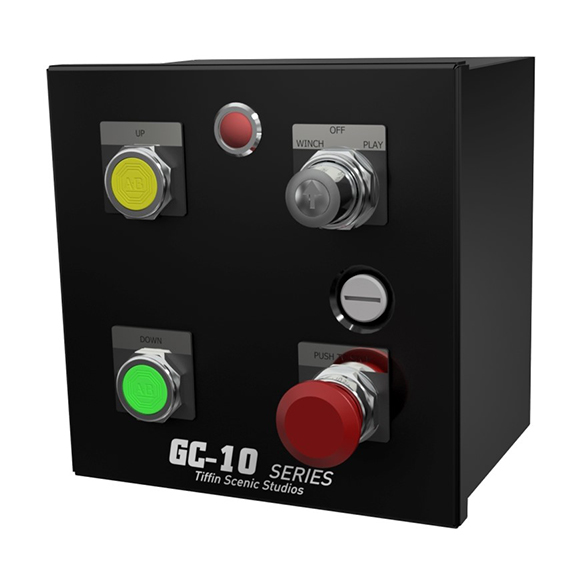
Tracker Pro Control System
This professional-grade system features push buttons and dials for remote operation. You can preset positions for repeatable setups and synchronized movements.
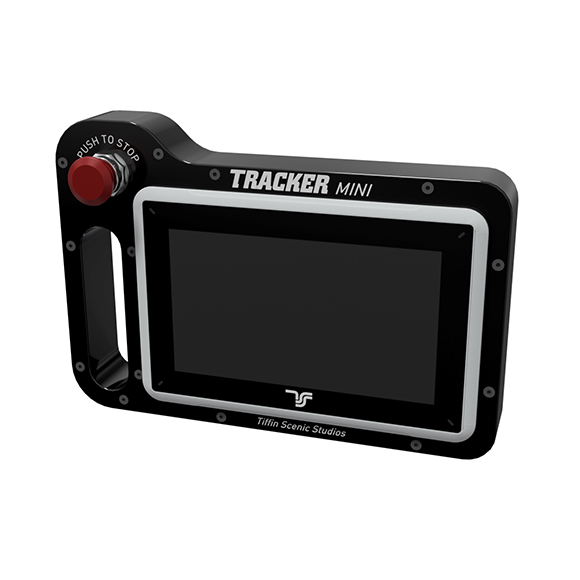
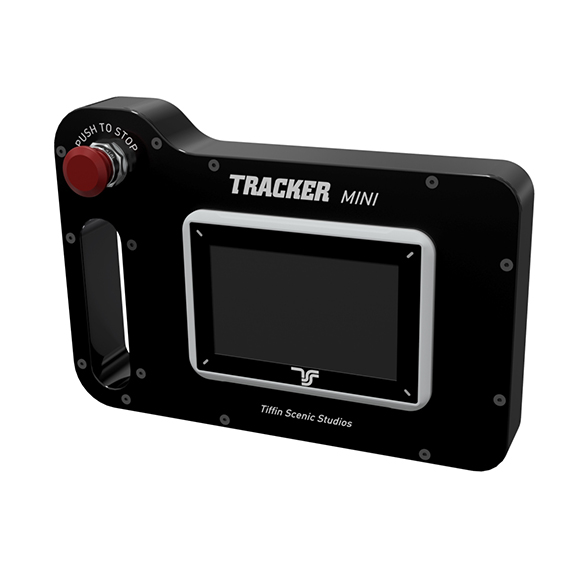
Tracker Mini Control System
The Tracker Mini Control System is an entry-level digital control solution that’s ideal for smaller venues. The simplified program can regulate a limited number of hoists, winches and battens.
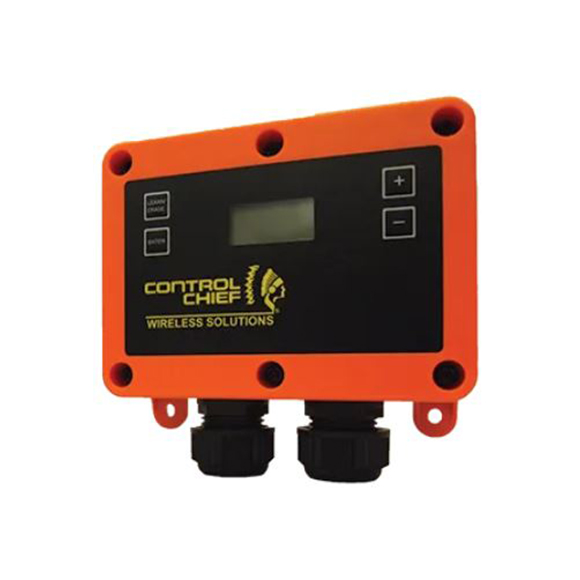
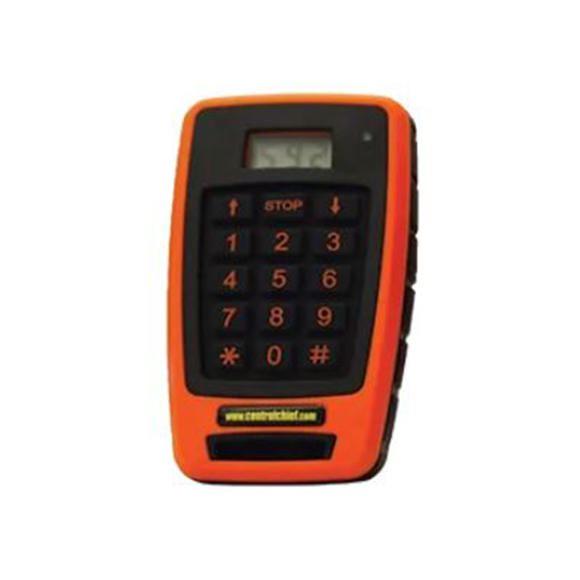
Tracker Access Control System
This motorized solution offers restricted access to ensure only trained personnel operate rigging equipment. You can program this system to require codes or login credentials before accessing the control panel.
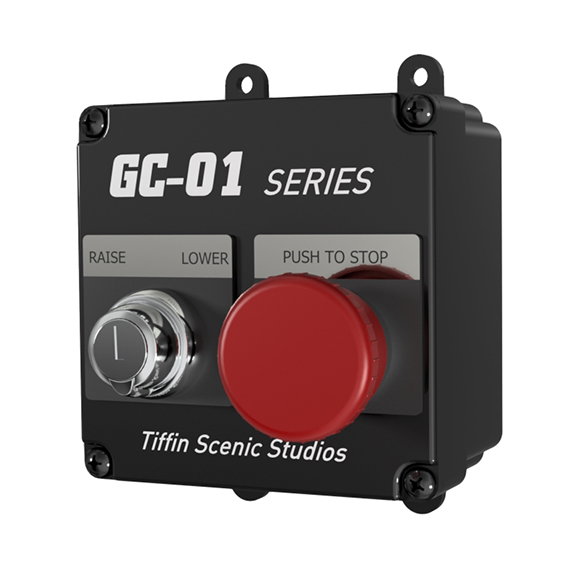
Push Button Control System
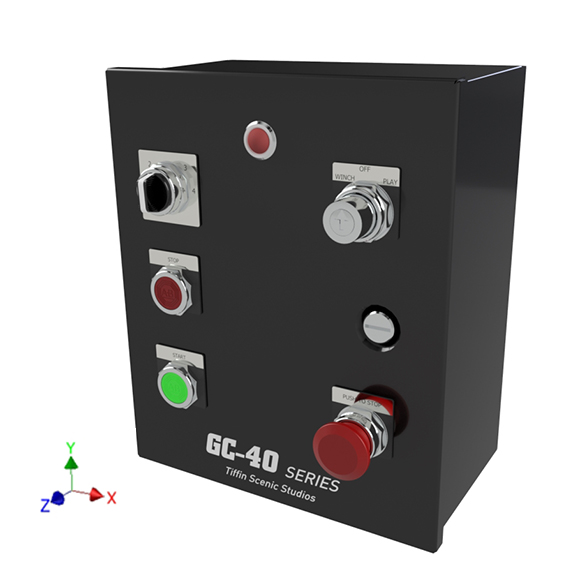
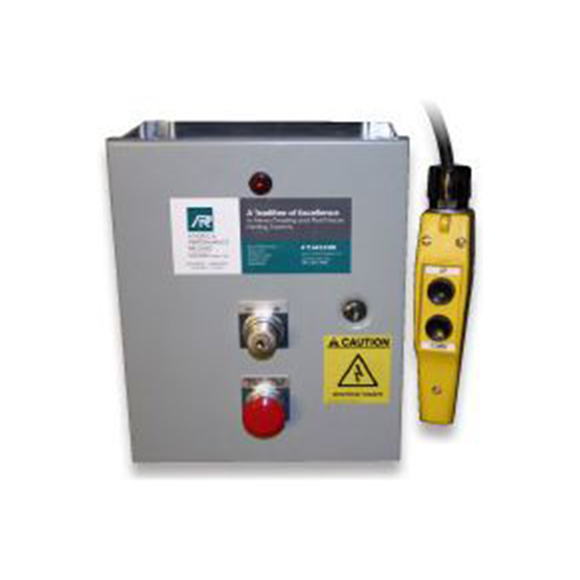
Push button controls are semi-automated interfaces that allow you to raise, lower and stop rigging equipment with the touch of a button. They’re suitable for different venues and require minimal training.
Custom Control System
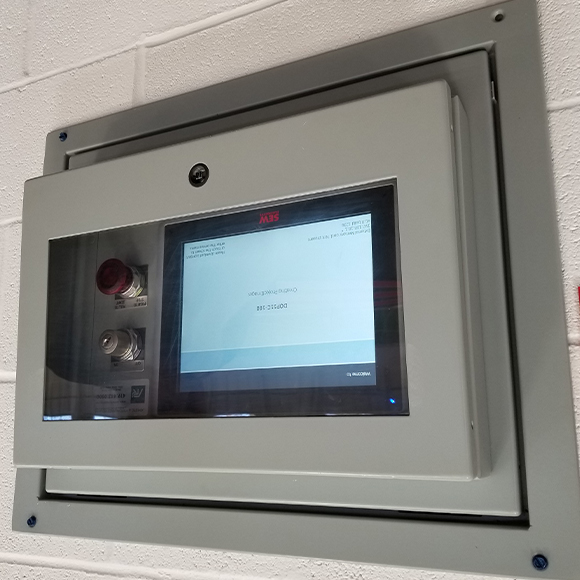
If you require unique configurations and coordination for your theatre or stage system, a custom control panel can help you achieve optimal efficiency. You can include touchscreens, buttons, switches and more based on your requirements.
HOISTS
Stinger Packaged Hoist
The Stinger Hoist provides safe, flexible drape operation with an industrial touch-screen computer, full system monitoring, load-sensing capabilities and a red mushroom emergency shop button. The Stinger is available for underhung, upright and vertical mounting.
Zero Fleet Hoist
This type of motorized hoist is designed to minimize side-to-side swaying of suspended loads. That reduces the risk of injury and supports precise movements.
Line Shaft Hoist
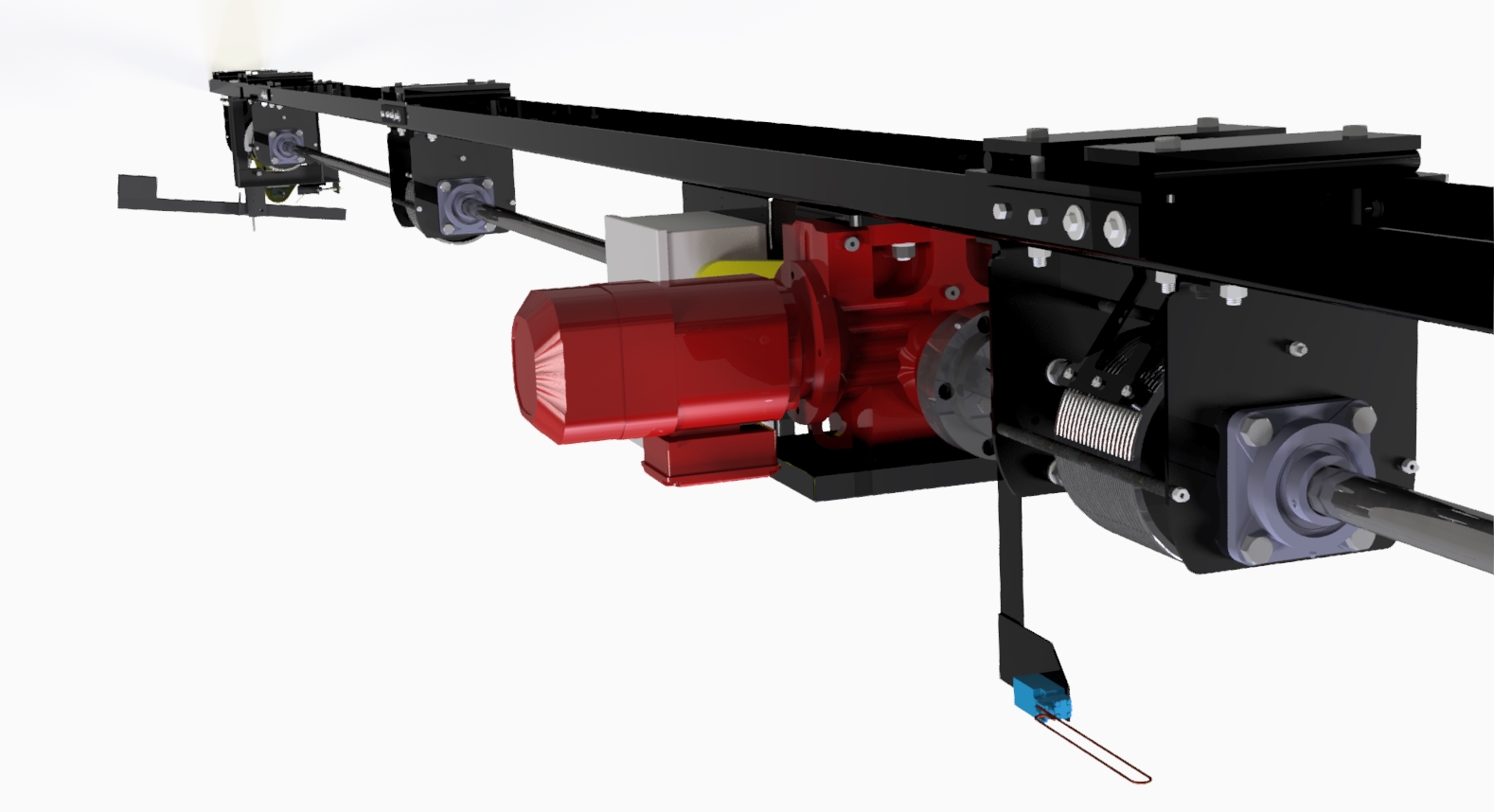
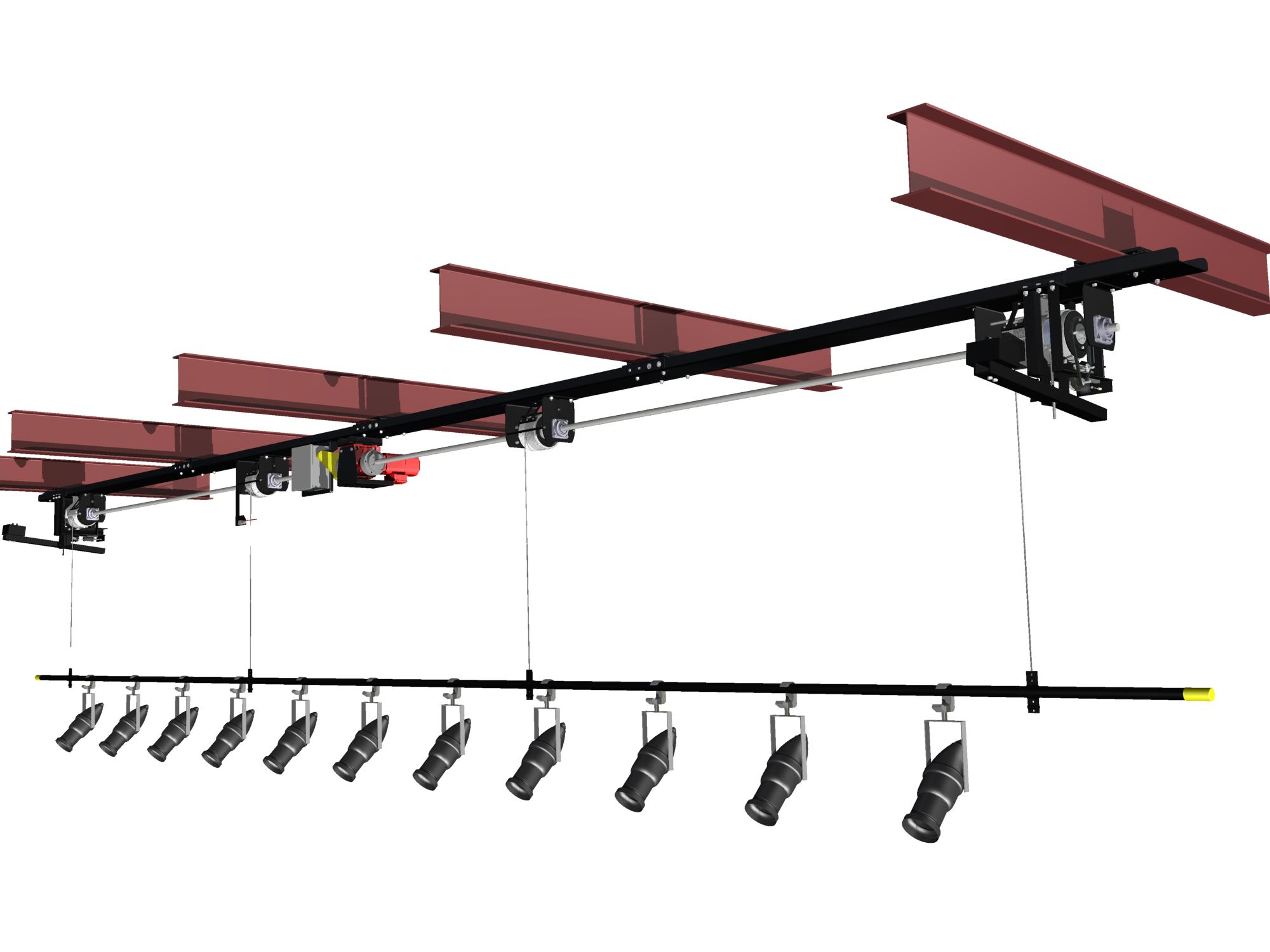
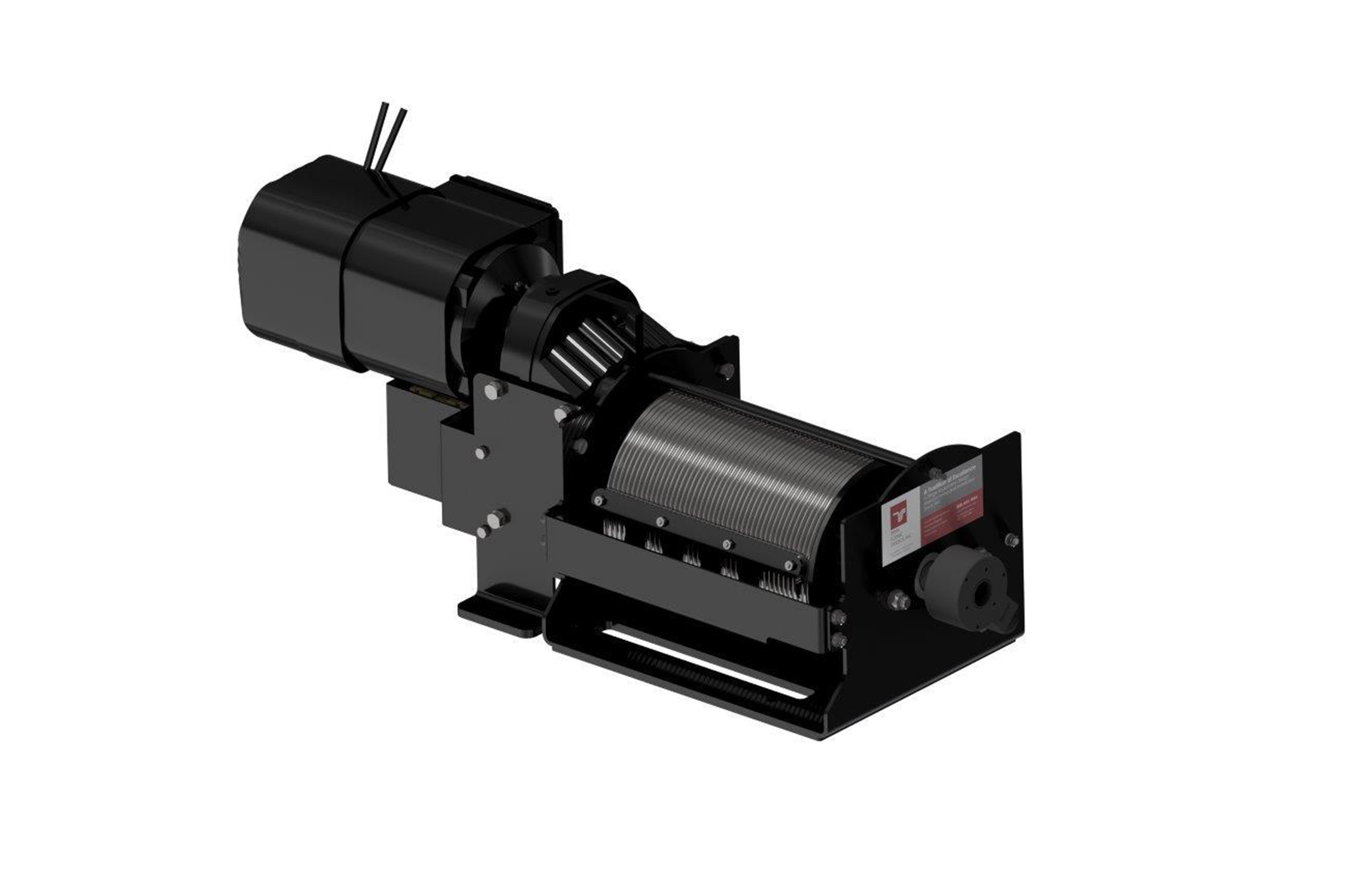
The line shaft hoist operates large fire drapes up to 1,400 pounds. The drape is held in place by a disk brake, which is engaged by the fire line. When released, a dashpot controls the drape’s descent. We can customize the shaft length and number of drums for your project requirements.
Motor Assist Hoist
You can combine manual and motorized elements to lift, lower and move suspended and scenic elements. This piece of equipment reduces lifting strain and allows for more controlled transitions.
Direct Wrap Hoist with Staggered Head Block
This specialized hoist can position heavy equipment while maintaining load capacity, stability and safety. It’s typically found in professional theatres with complex rigging setups.
Capstan Hoist
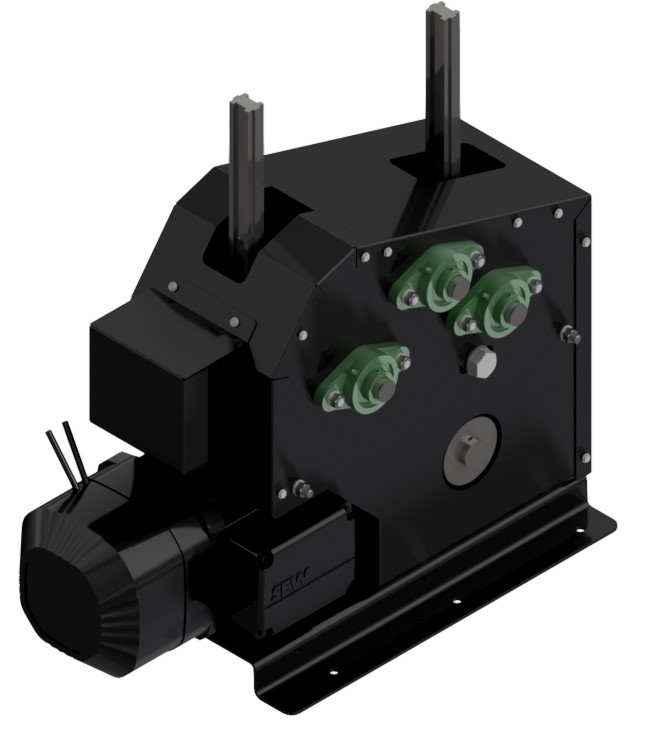
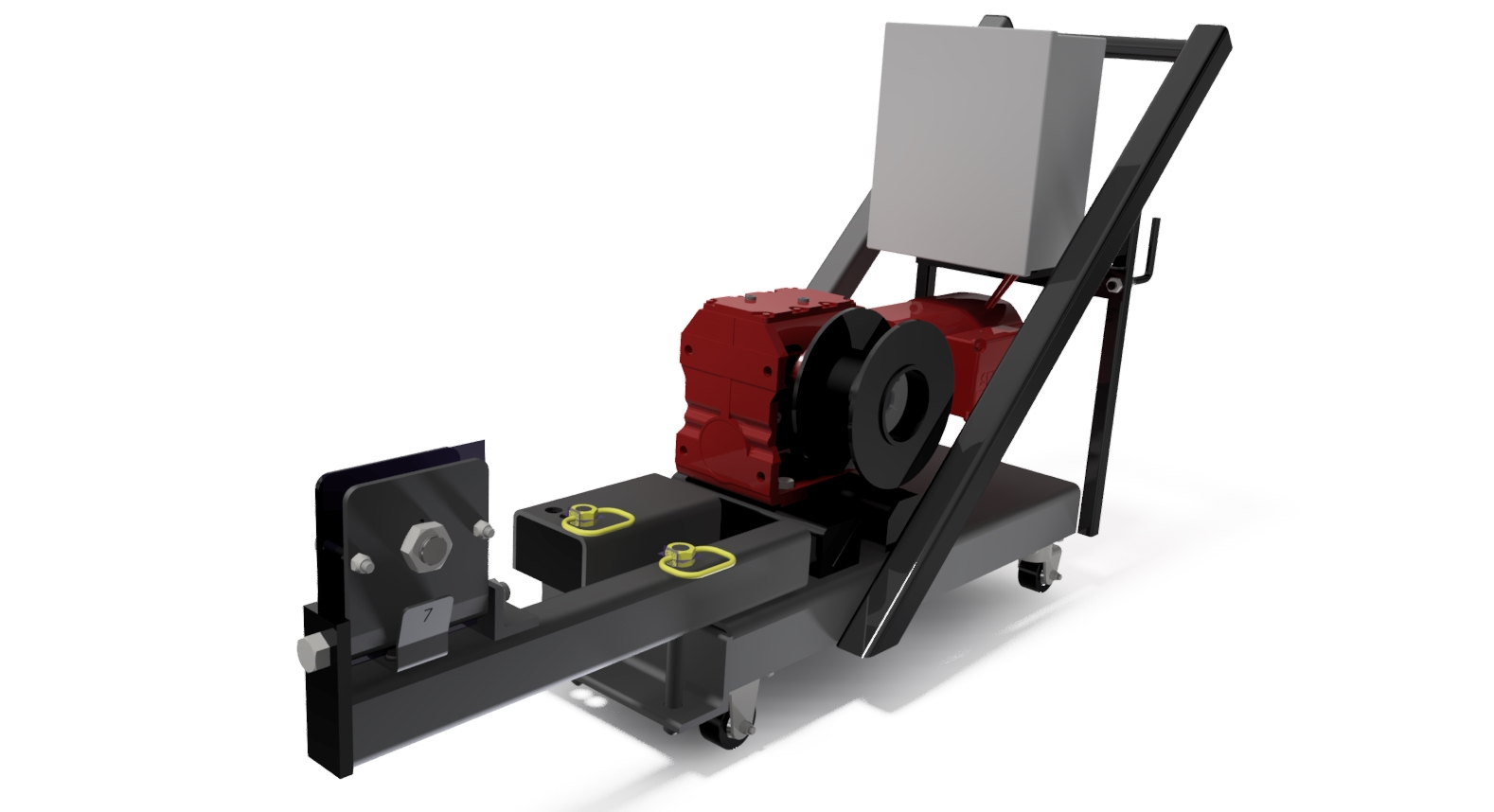
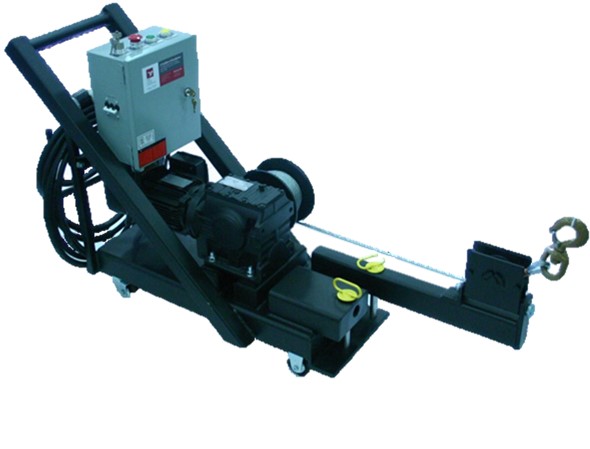
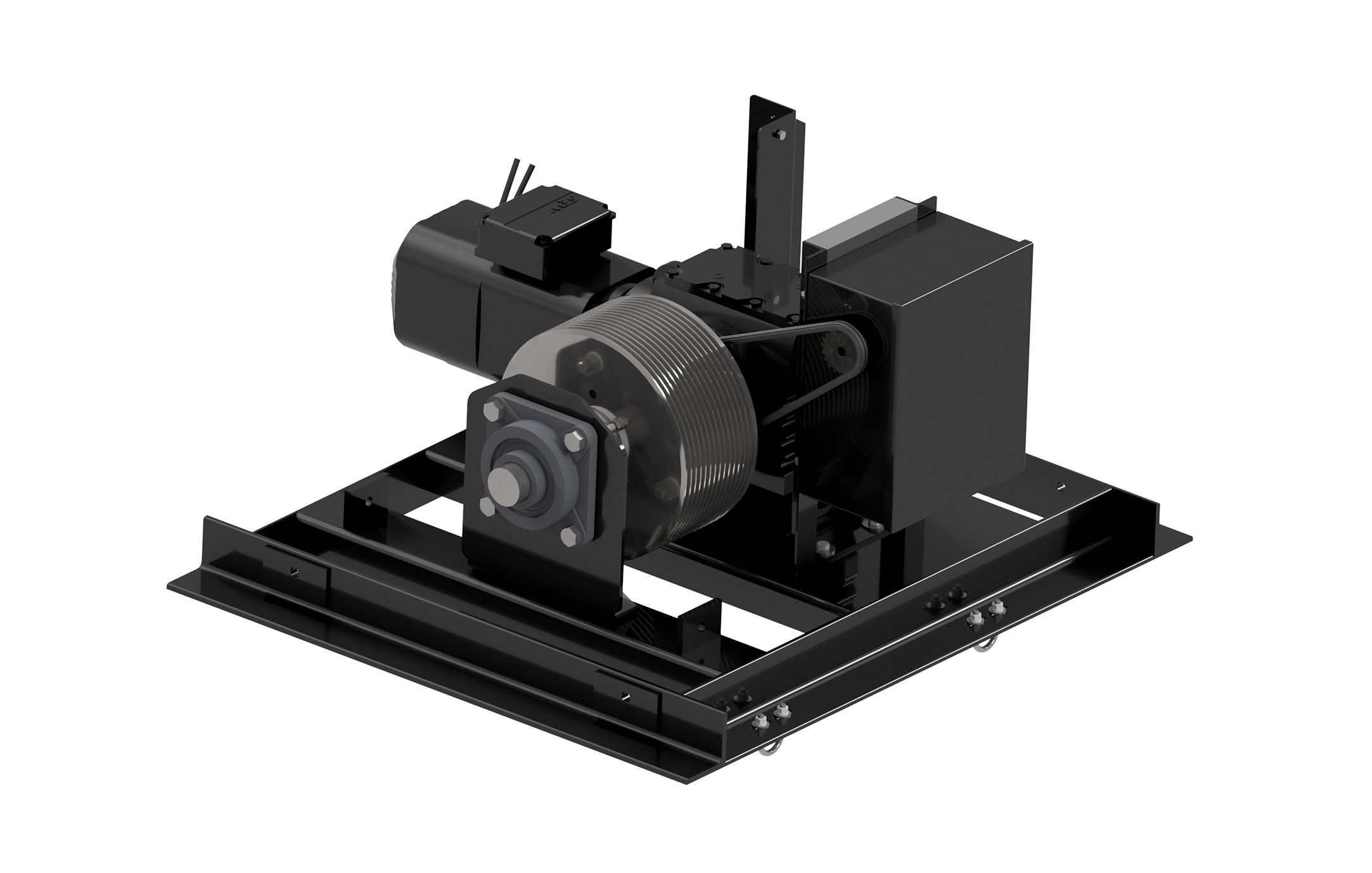
The mobile capstan winch helps raise and lower an out-of-balance system. Once the arbor is at the proper elevation, counterweights may be added to balance the system. The mobile winch is manufactured with a gear motor and a brake within the motor, plus a starter, drum and controls. The capstan winch can be easily positioned along the locking rail by the incorporated fixed and swivel casters. The winch is then pinned to reaction tubes that are secured to the front of the locking rail. (Reaction tubes sold separately.)
Pile-On Hoist
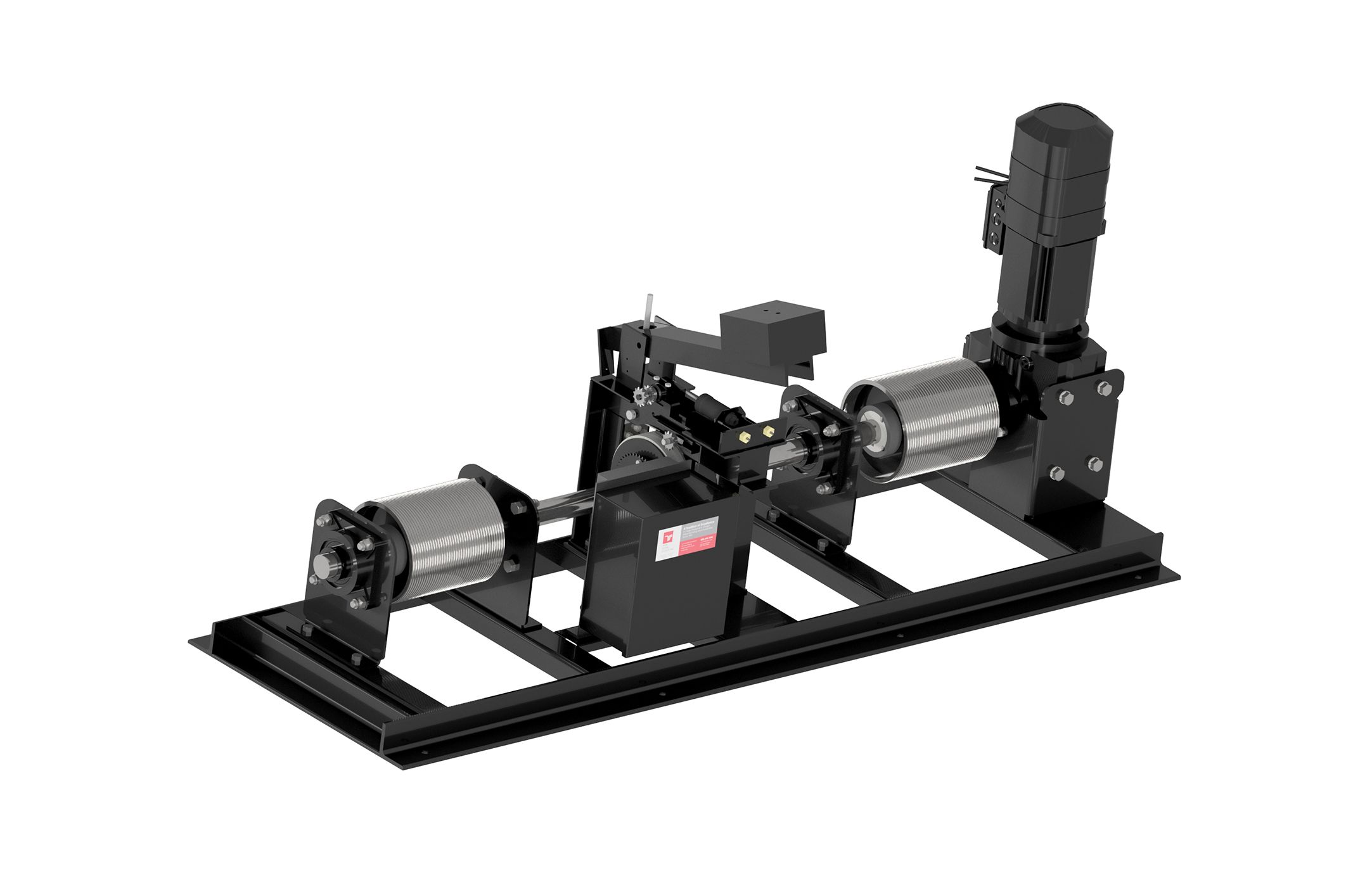
The pile-on hoist is a yo-yo drum winch available in various configurations of lift lines, speeds and loads. It accommodates up to ten lifting cables and up to 1,000-pound loads.
Point Hoist
Point hoists provide an individual winch for each lift line, enhancing flexibility, speed and capacity. They allow you to complete precise vertical movements for set changes, lighting adjustments and special effects.
Self-Climbing Hoist
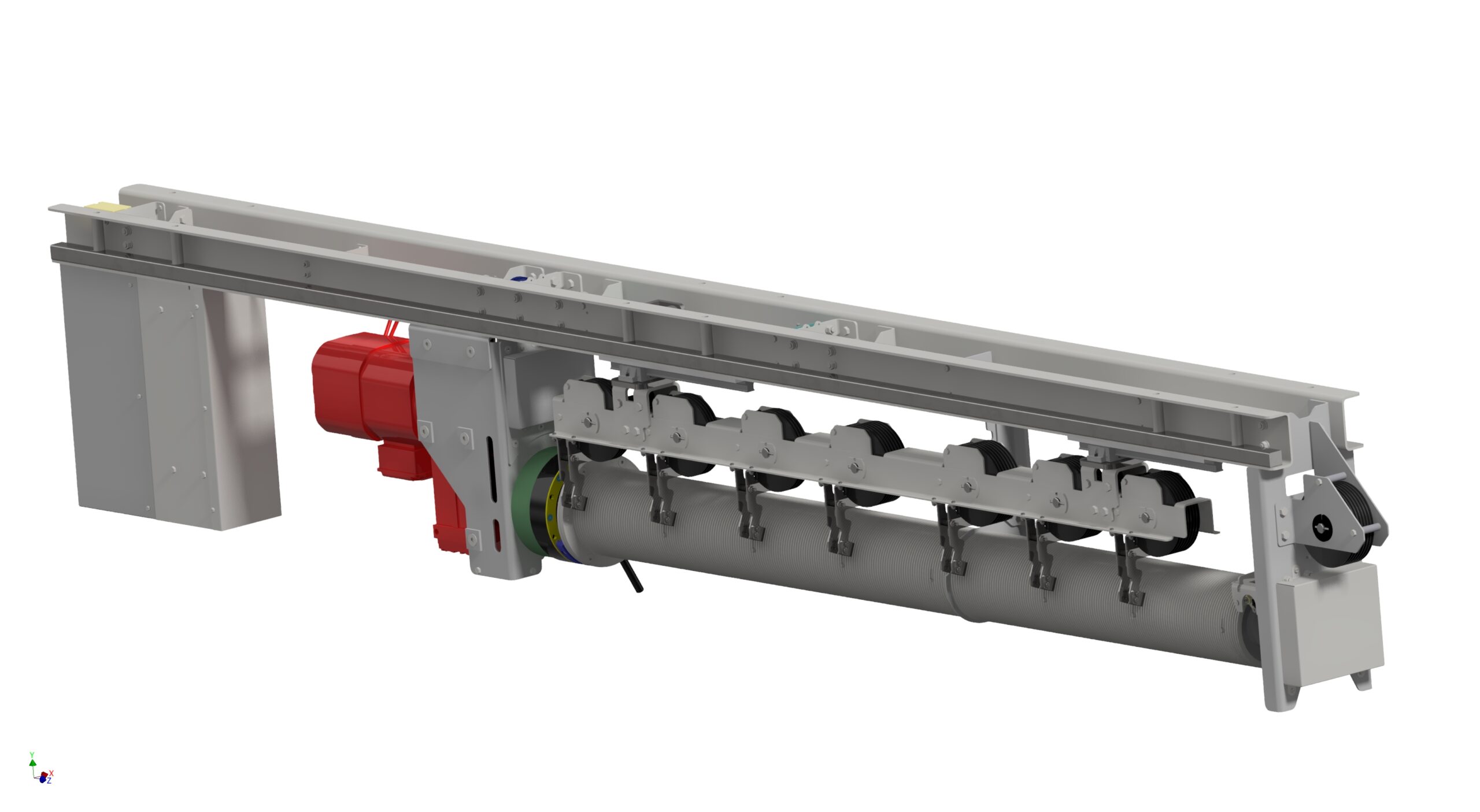
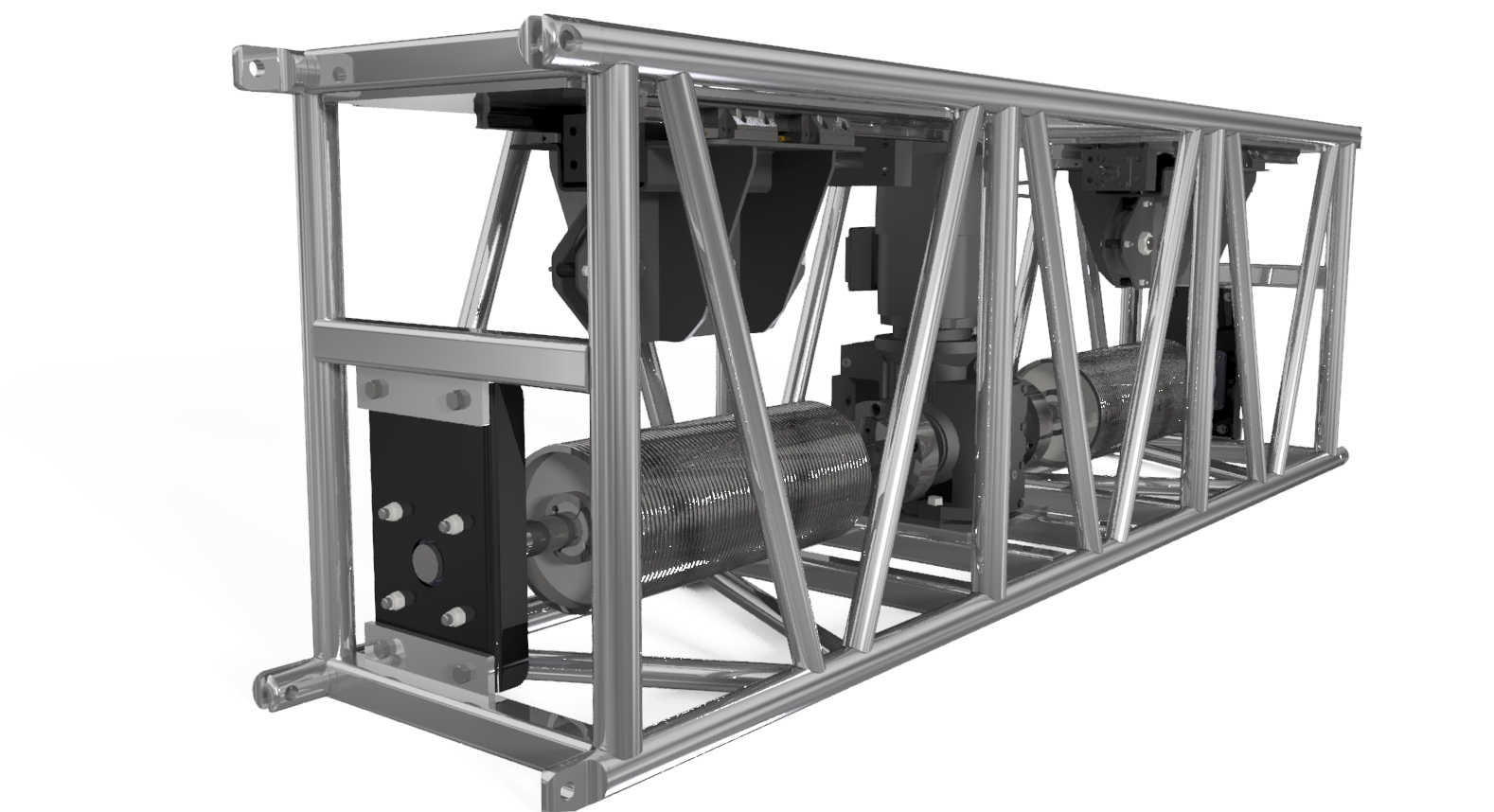
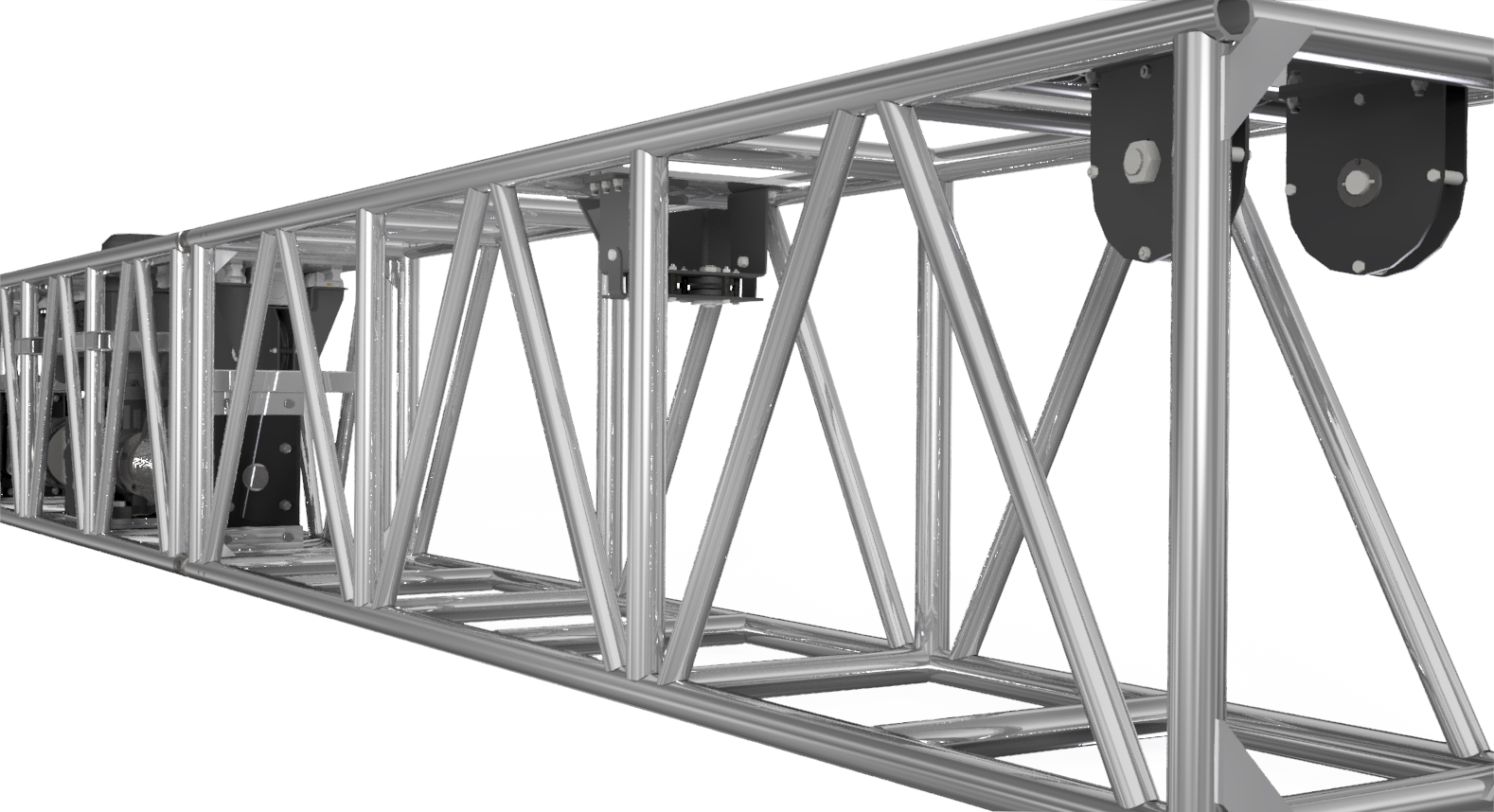
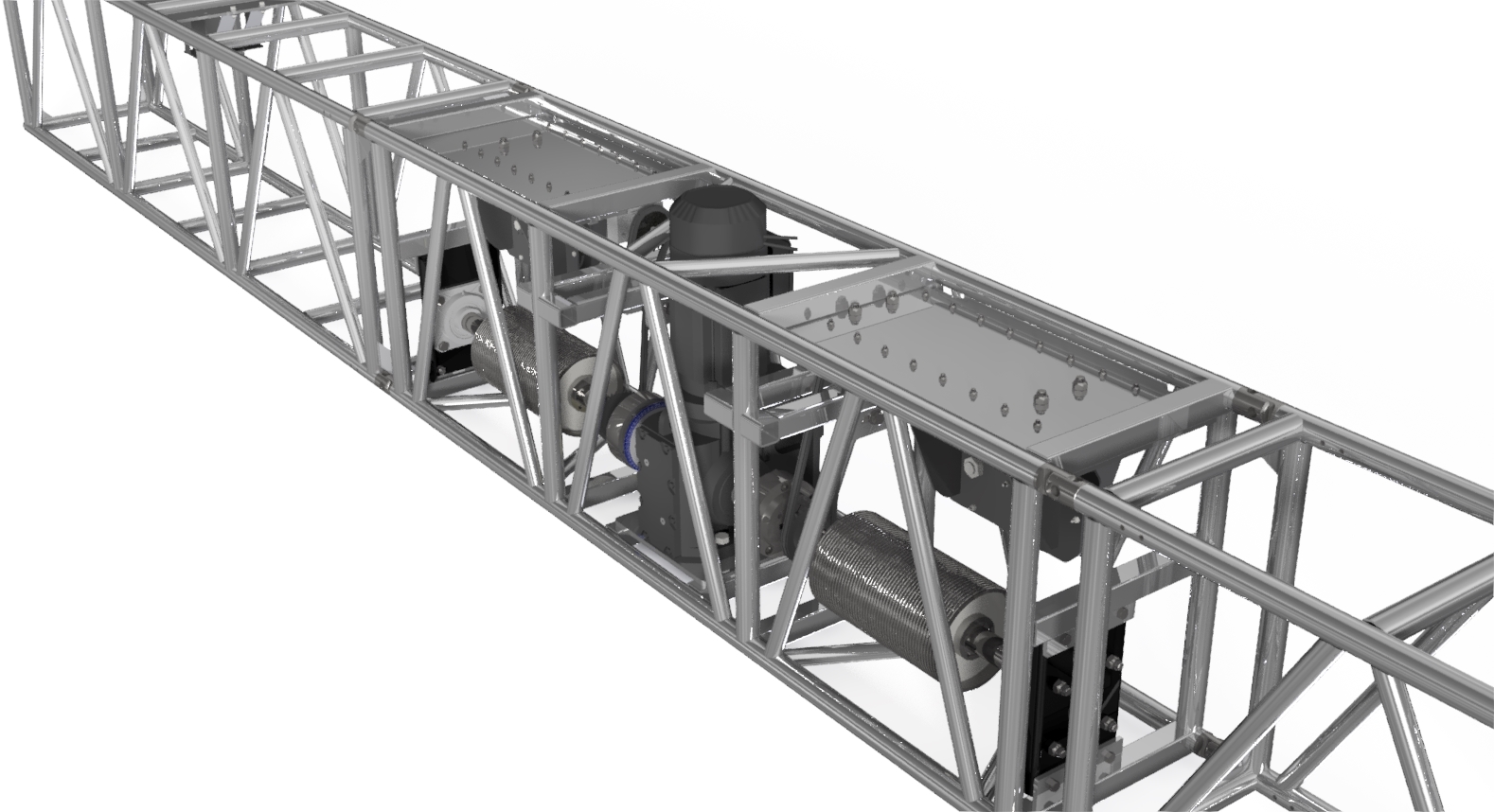
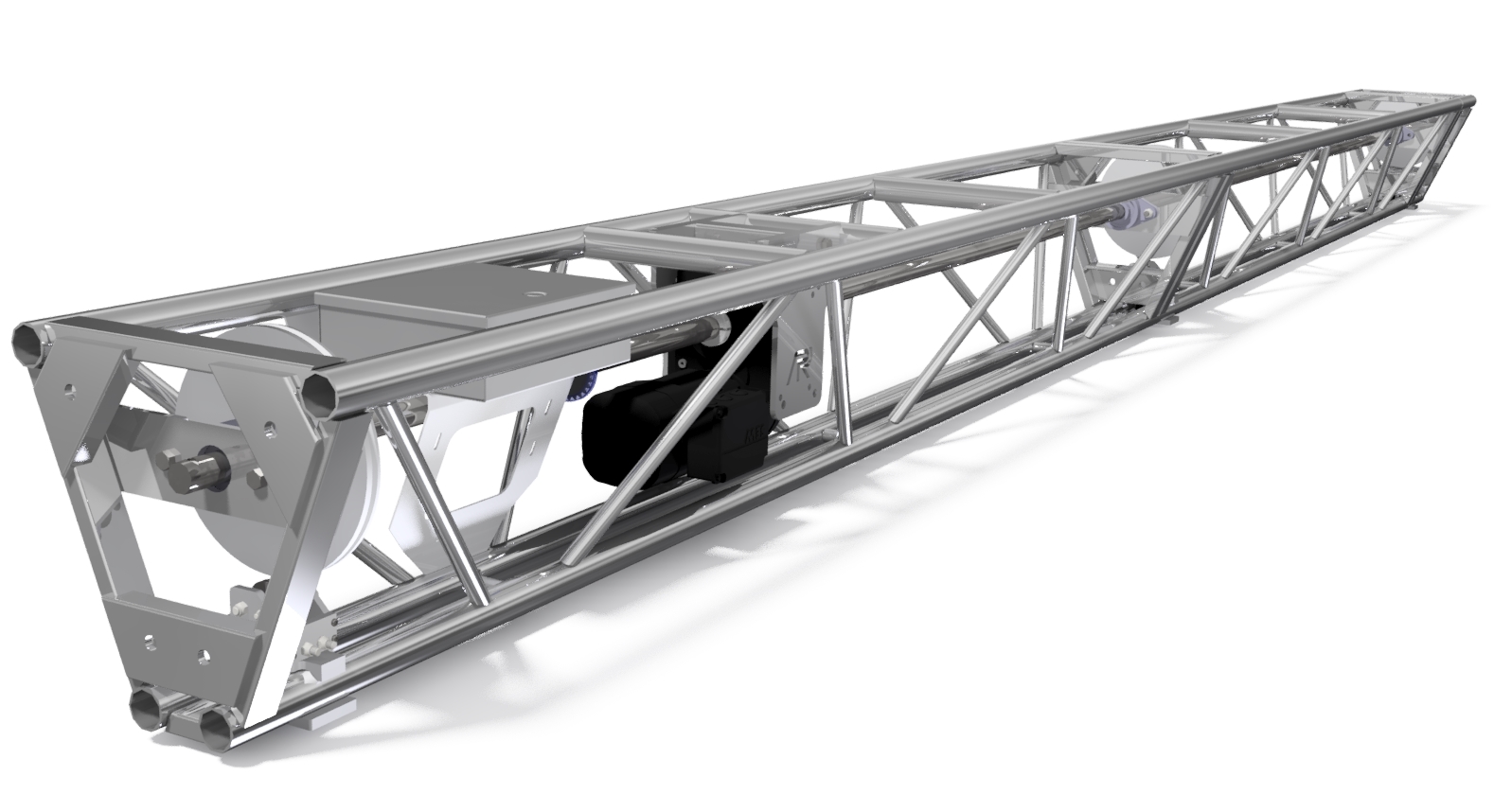
The self-climbing hoist is ideal for low-profile installations that feature large lifting capacities. It consists of a line-shaft design enclosed in an aluminum truss to allow for variable widths and a variety of lighting distribution options. Lifting cables and power and control cables follow the truss as the system moves.
Double Drum Hoist
A double drum hoist utilizes two separate drums on a single hoist, allowing for independent control of two lift lines. They can operate independently or together to enable precision movement and coordination.
Tiffin APEX Truss Hoist
ACCESSORIES
Chain Hoist Ponies
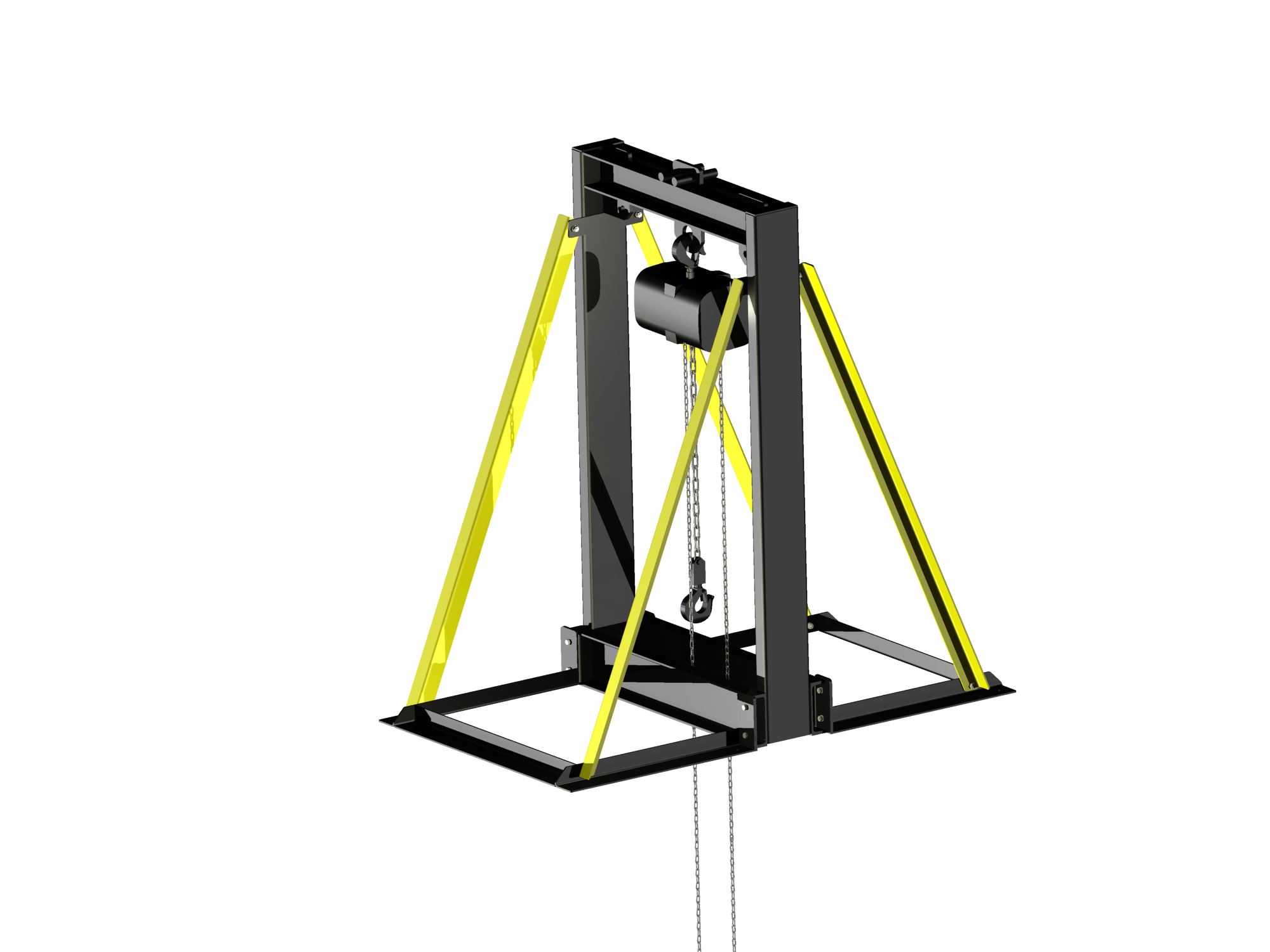
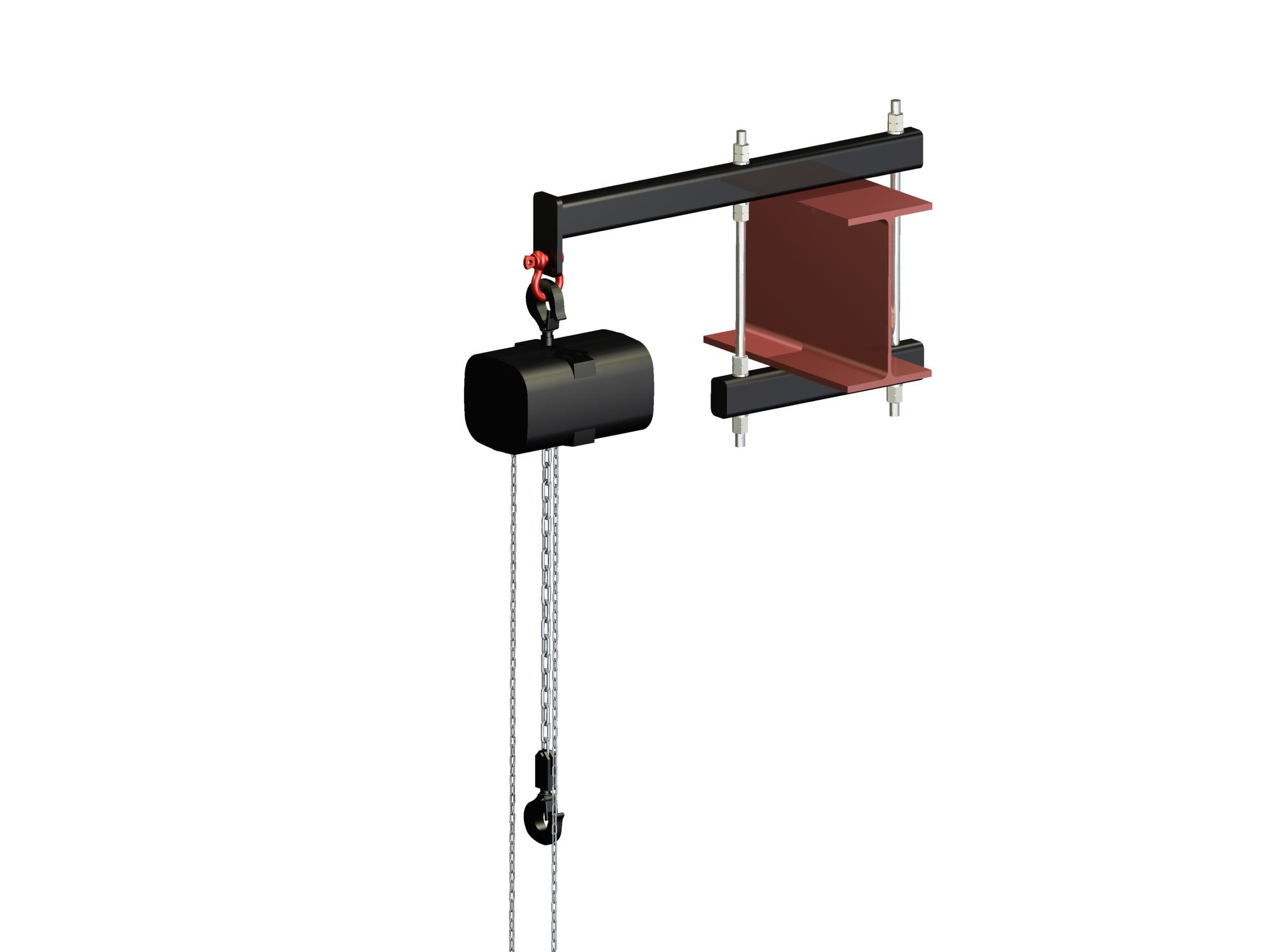
The grid-mounted chain motor hoist pony accommodates chain motors in any configuration, and you can move and attach stands to an existing structure. There are two styles: the CMS-1TG, which attaches to a rigid channel grid, and the CMS-1TF, which distributes loads on a flexible surface.
Chain Motor Brackets
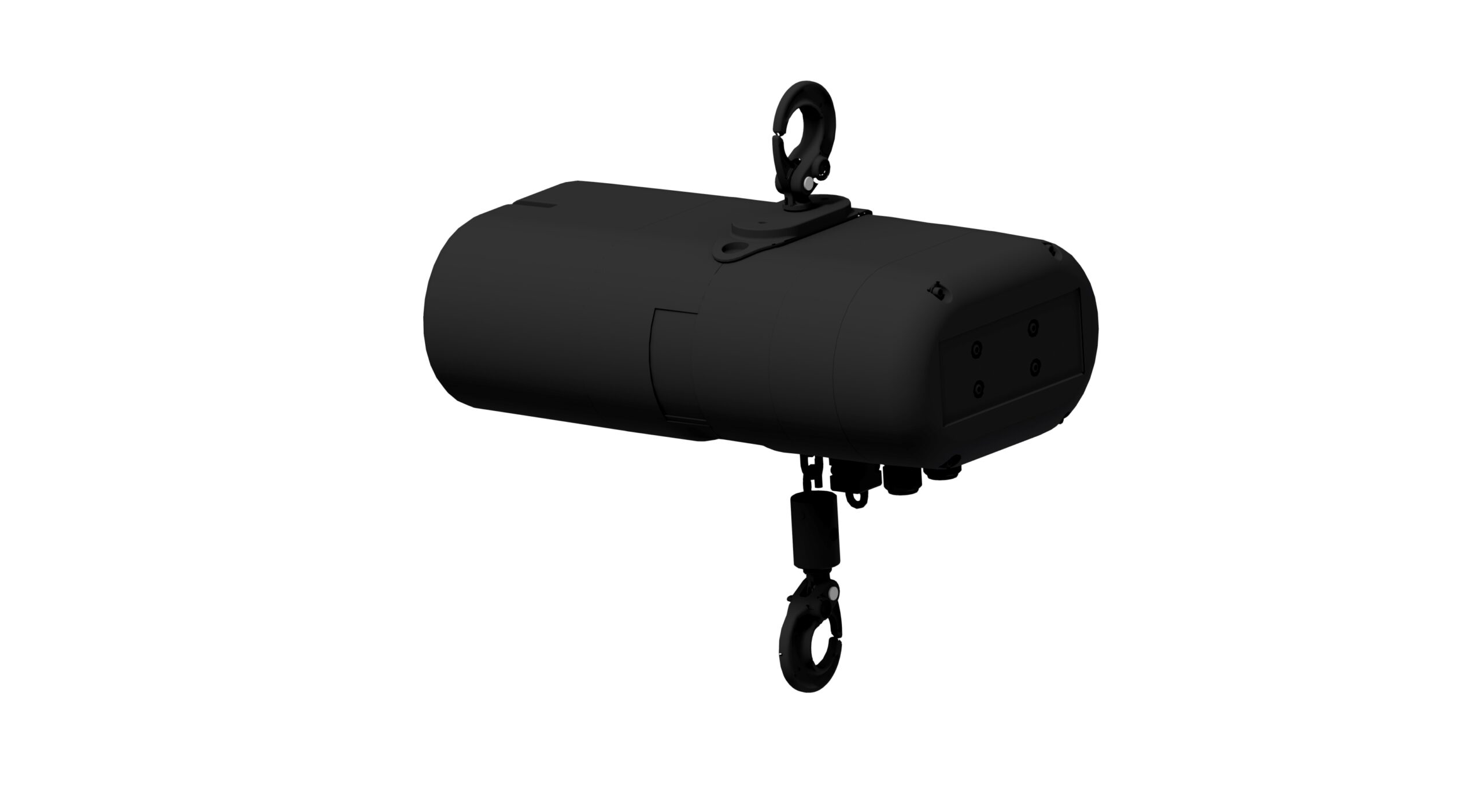
Chain motor brackets are designed to attach to a half-ton chain motor. They provide secure connection points to support lifting heavy equipment like scenery, lighting, curtains and audio equipment.
Key Applications for Motorized Rigging in Theatres
Scenery changes: You can raise, lower and move set pieces and scenery with ease when you use motorized theatre rigging. It also enables you to create dynamic, multi-level visuals.
Lighting adjustments: Position lights without ladders or manual adjustments through integrated controls that synchronize effects during performances.
Curtain control: Motorized rigging is effective for managing house drapes, legs, borders, cycloramas, scrims and more. You can produce theatrical effects repeatedly without tiring your crew.
Safety Standards and Compliance for Automated Rigging
It takes experience and insight to navigate the world of automated rigging regulations. Tiffin Scenic Studios has in-depth knowledge of ANSI E1.6, which covers motorized and automated rigging systems. We account for load ratings, braking, limit switches, inspection, operator controls and other regulations during installation. Our staff also meets the ETCP guidelines for rigging training and qualifications.
Why Choose Tiffin Scenic Studios?
Your preferences and insight are crucial to our work, and we value your input when it comes to creating custom theatre and stage systems. Withmore than a century of experience under our belts, we’ve built a reputation for excellence indesign andinstallation. We’ve worked with a variety of vendors and clients across the United States who’ve presented unique challenges in diverse venues, so we’re always ready for a new challenge. Bring us your design requirements, and we’ll create innovative solutions.
Motorized Stage and Theatre Rigging Equipment FAQs
Why would a venue choose motorized rigging over traditional systems?
You may choose motorized rigging for a variety of reasons, including enhanced efficiency and safety, production quality, show variety, long-term savings and system integration.
How are the controls for motorized rigging typically managed?
Motorized rigging uses centralized consoles that feature touchscreens and buttons that allow operators to start and stop movement.
Can one operator manage the entire motorized rigging system?
Yes, depending on the complexity of the design and stage elements.
What types of safety features are built into motorized rigging systems?
Limit switches, emergency stop buttons, overload detection, brake systems, position sensors, controlled acceleration and deceleration.
Do operators need special training or certification to use motorized rigging?
Yes.
Can motorized rigging systems be used in older theatres or retrofitted venues?