Rigging is the backbone of every stage and theatre setup, allowing you to control scenery and other elevated elements. That’s why it’s essential to invest in high-quality components and equipment to promote crew and audience safety. It’s an effective solution if you need to rig lights and audio elements to clear floor space and enhance the flow of your stage operations. Tiffin Scenic specializes in crafting custom rigging solutions based on your unique space and performance requirements.
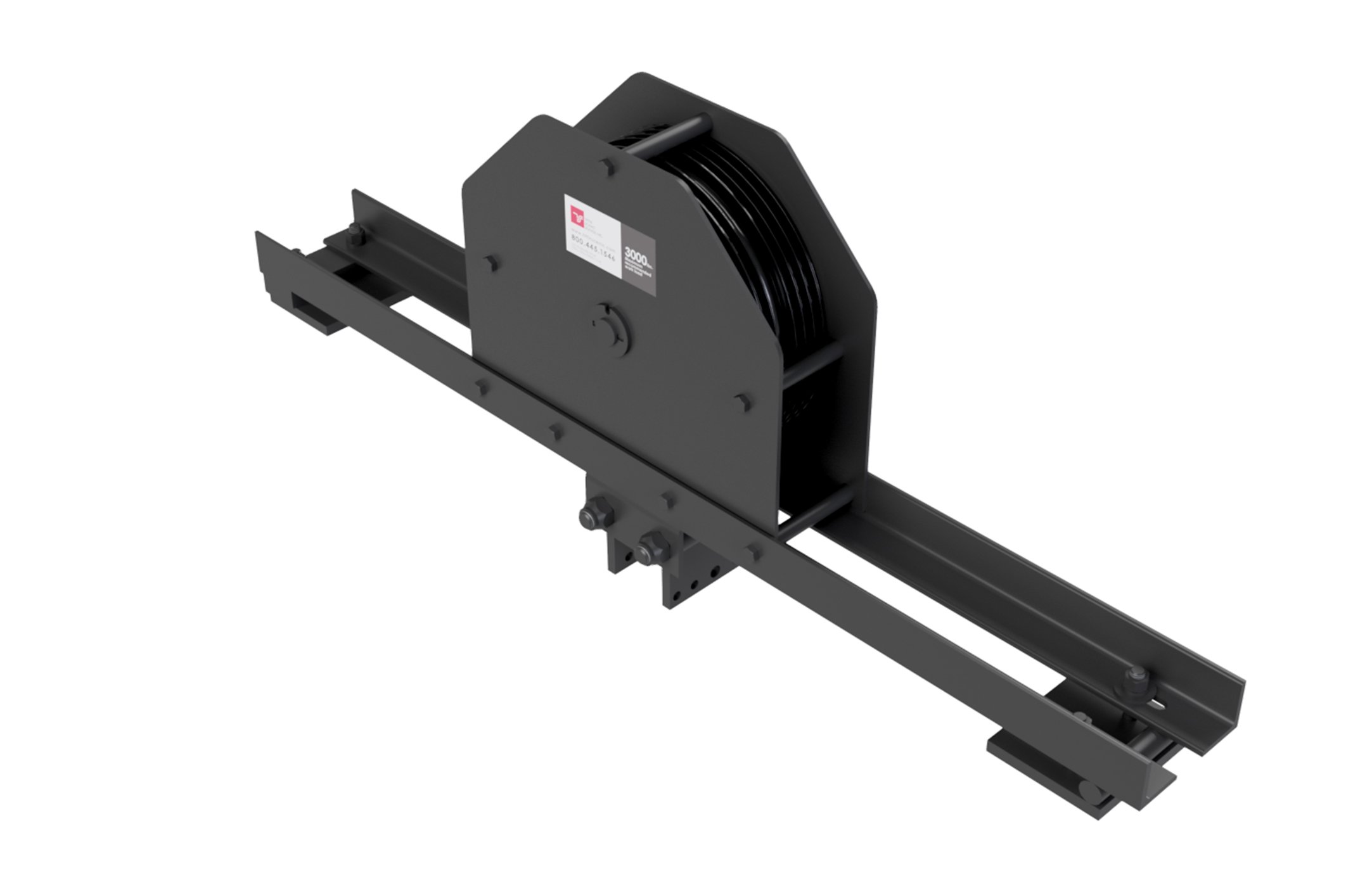
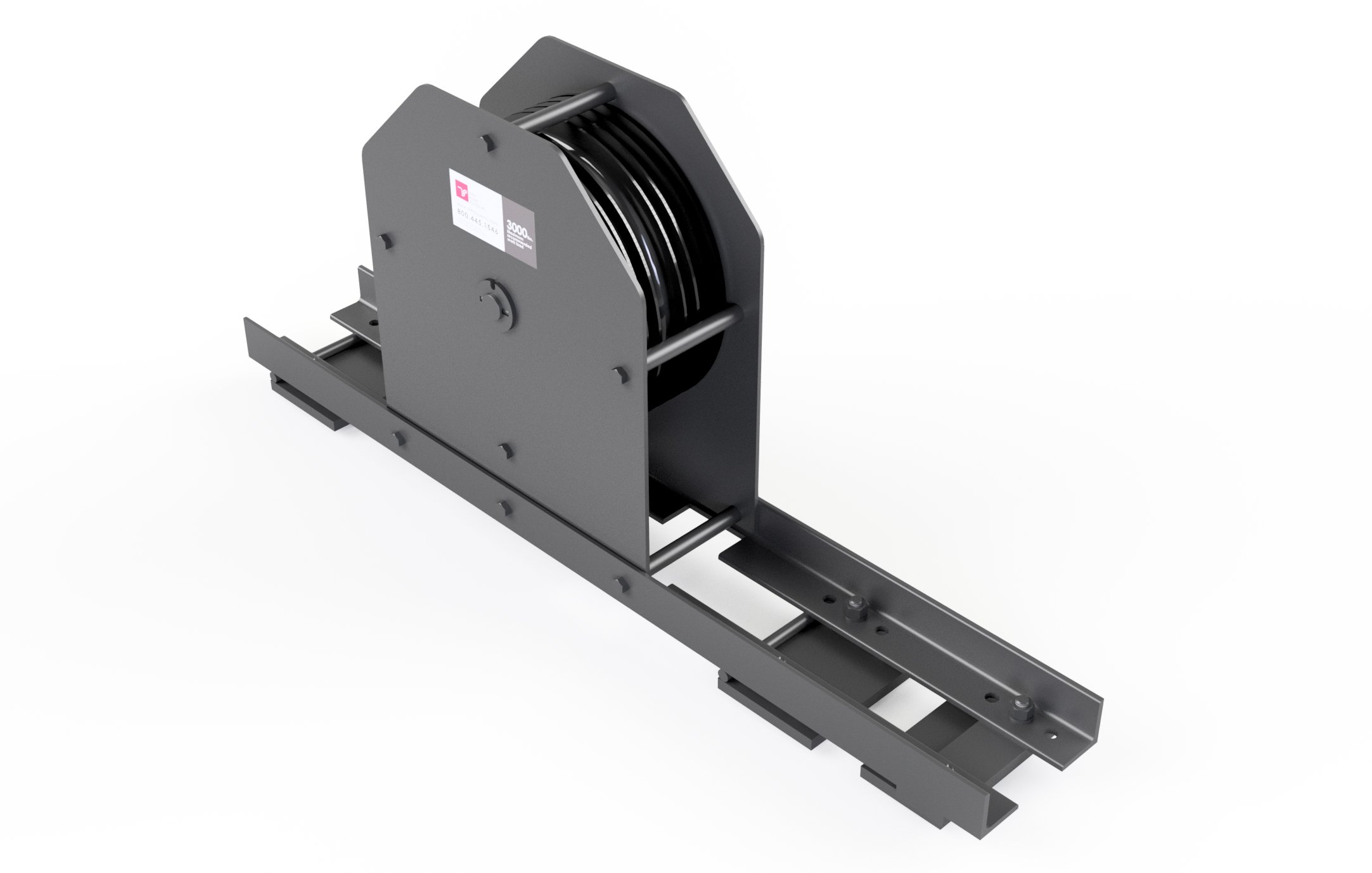
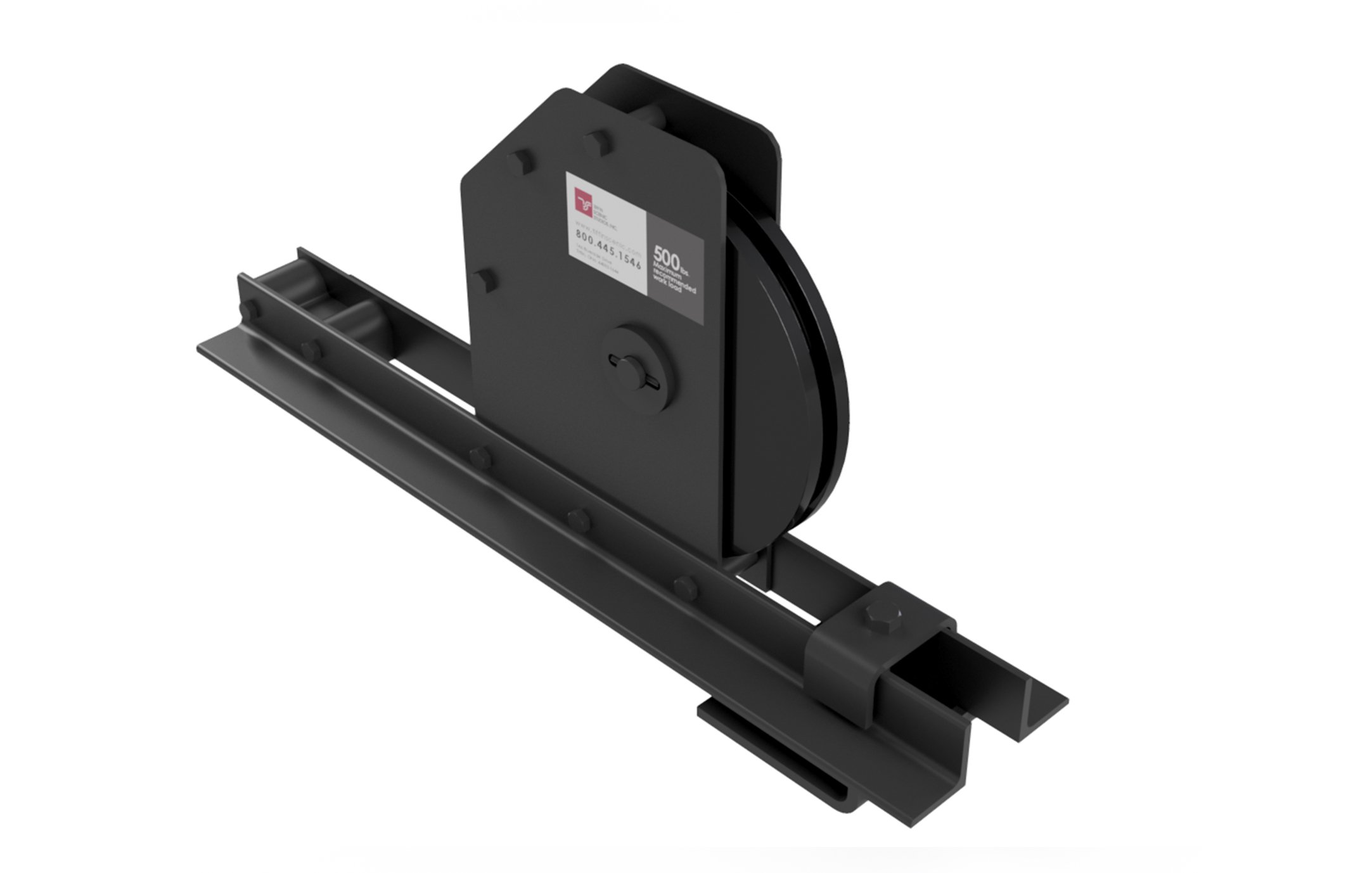
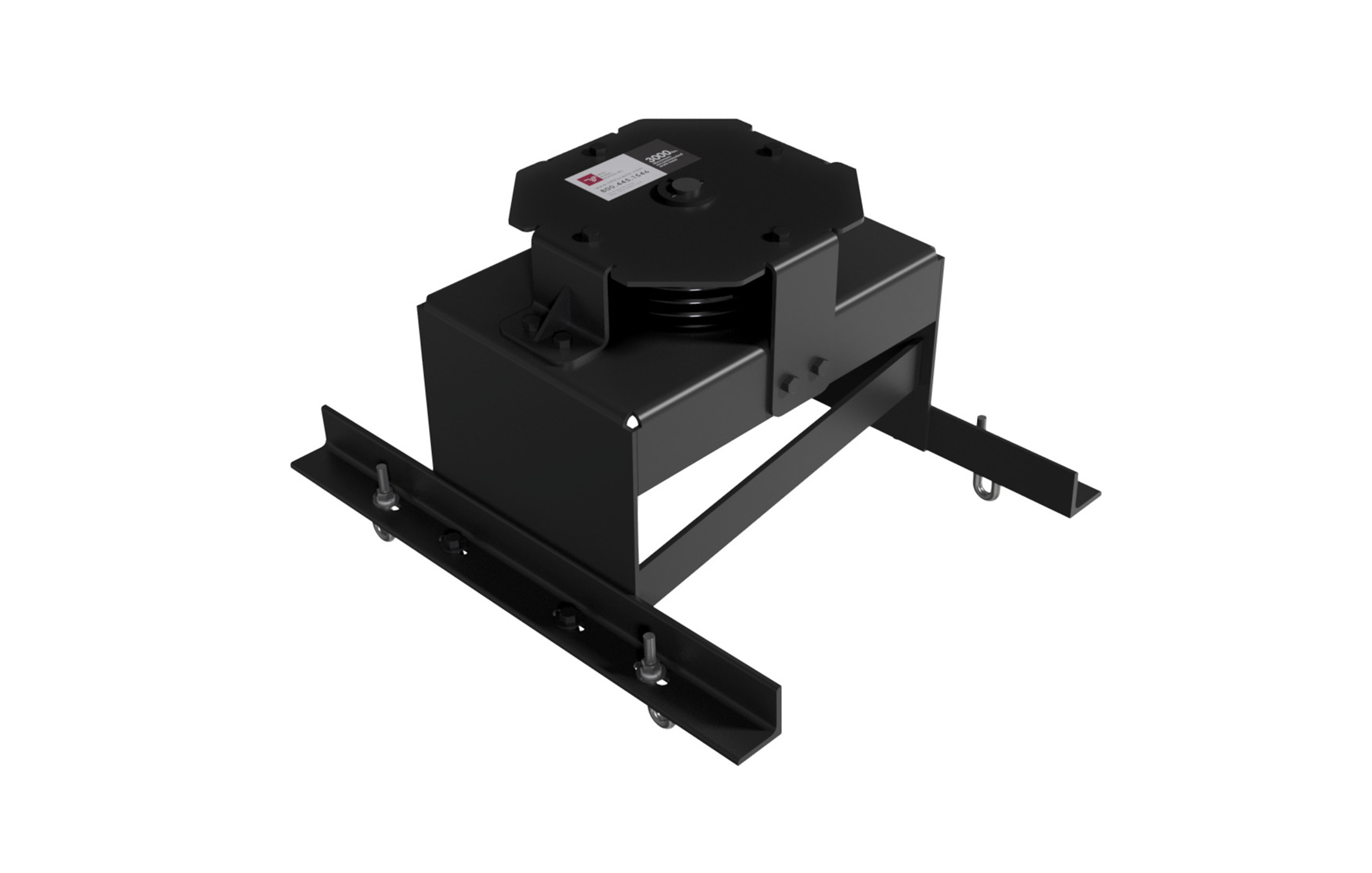
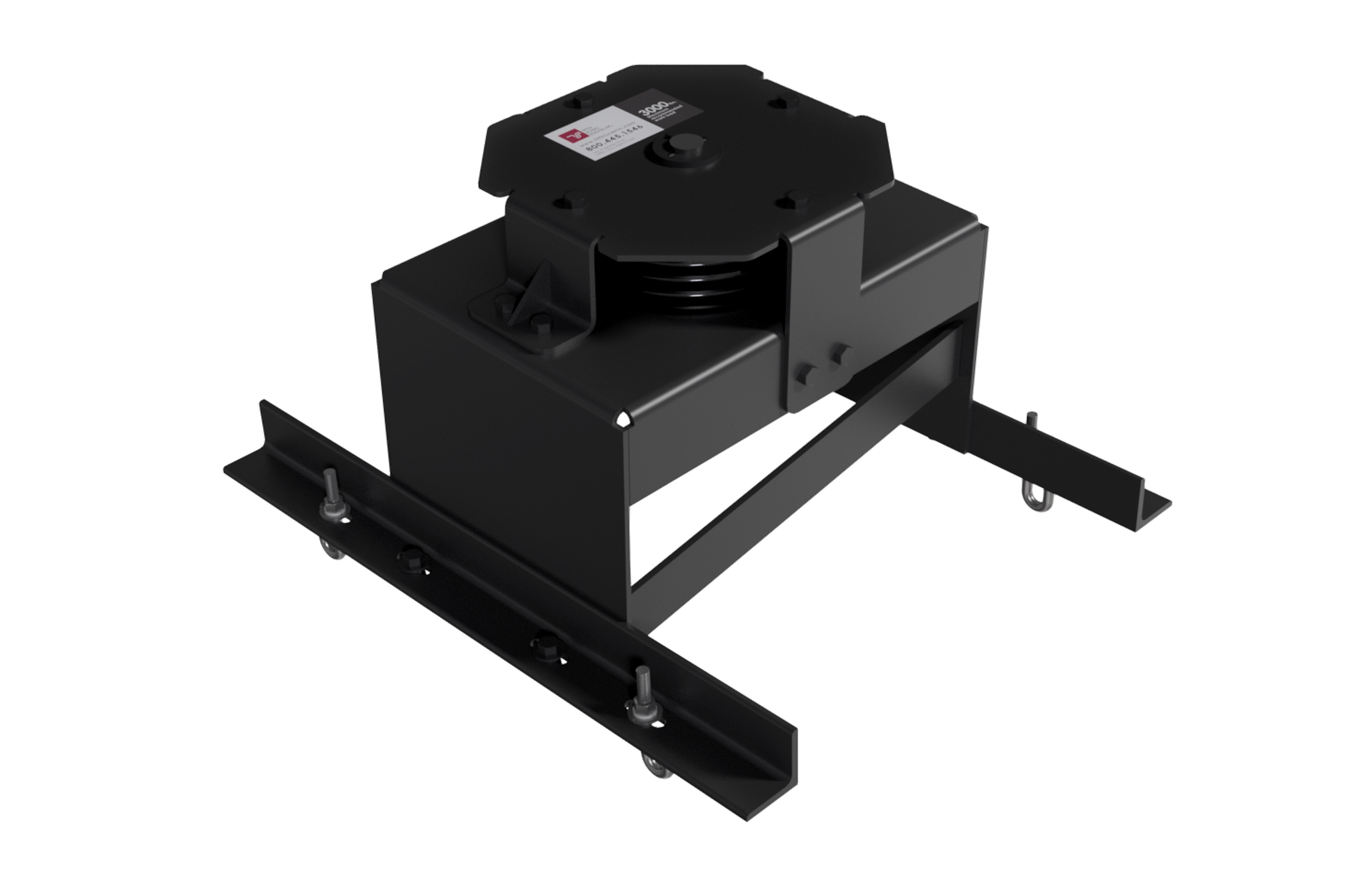
Upright head blocks are mounted on one or two I-beams. They feature fully enclosed sheaves and base angles that are turned in and notched to pass lift lines.
Underhung Head Block
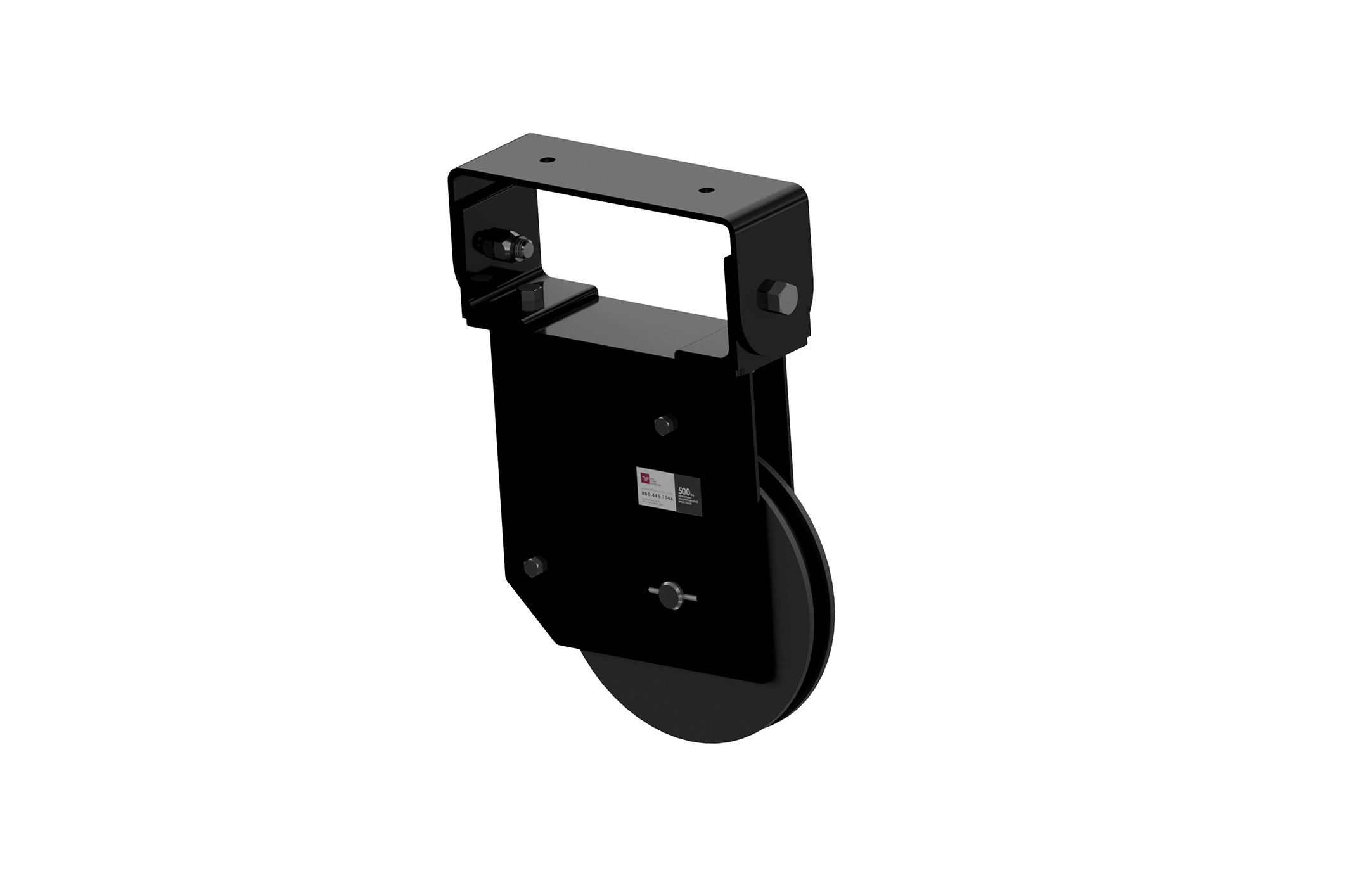
Underhung head blocks are mounted on the bottom of I-beams. They have enclosed sheaves and base angles with welded and bolt-on attachment clips. Spacers keep cables in their respective sheave grooves.
LOFT BLOCKS
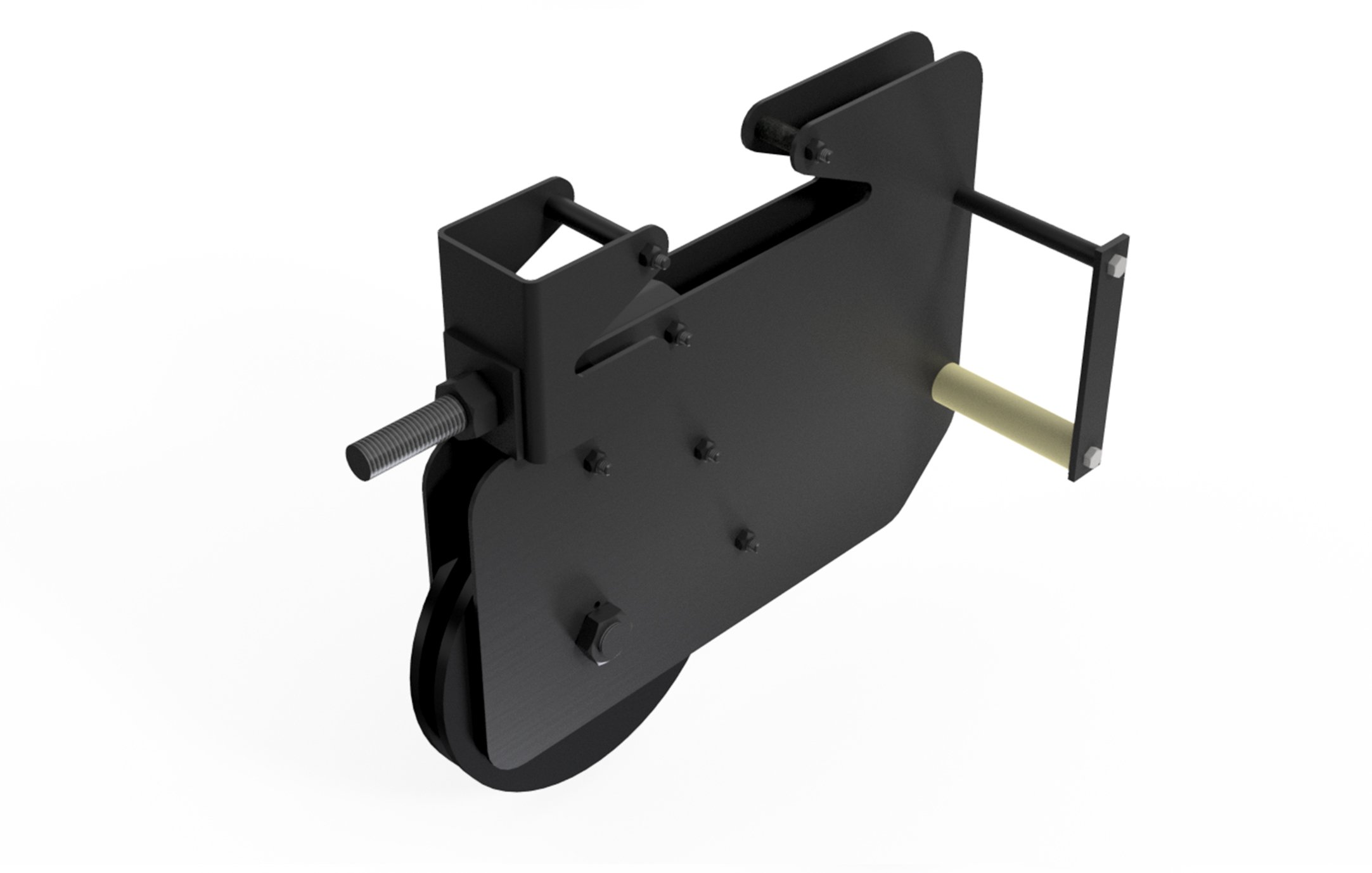
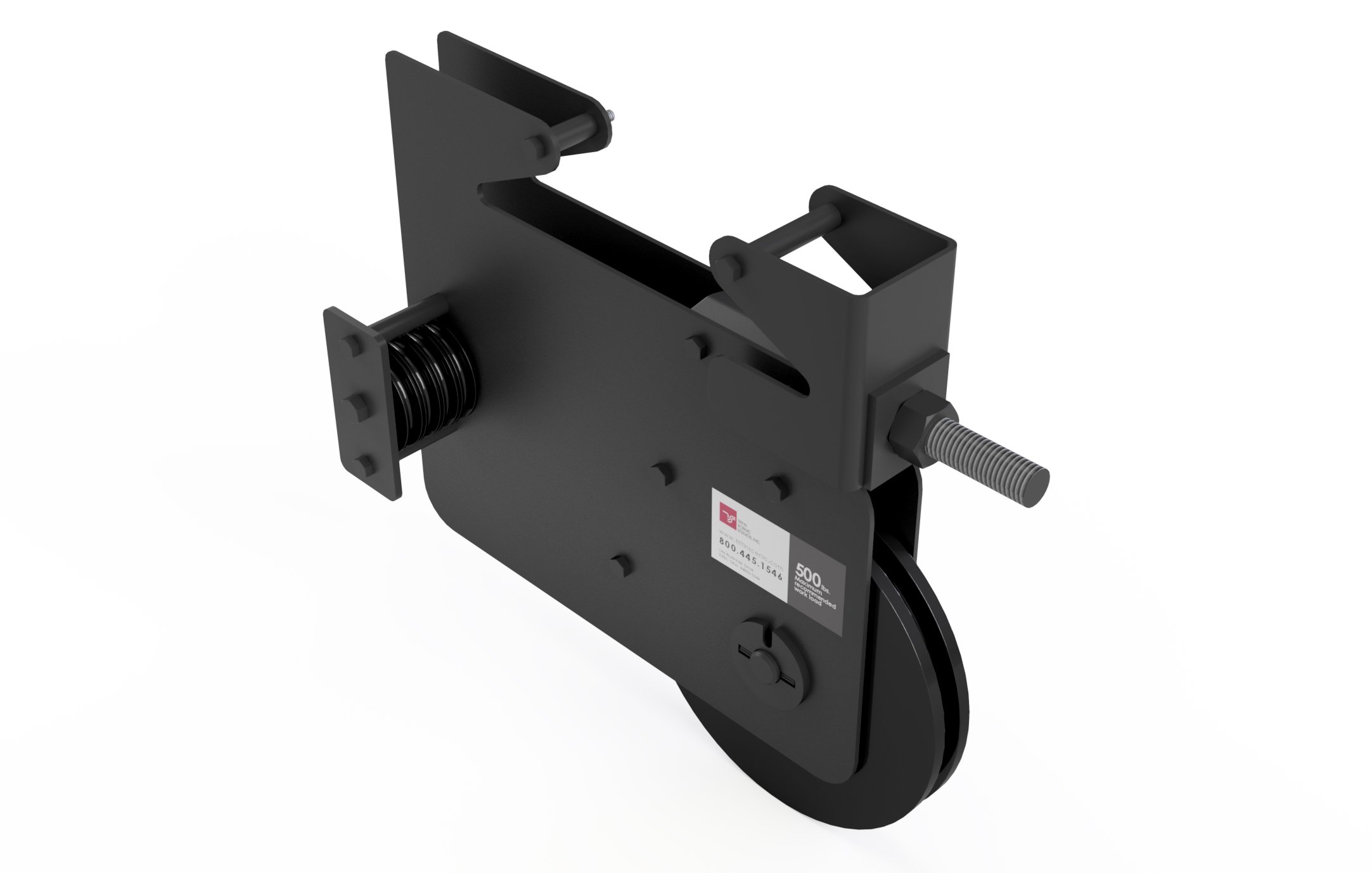
Upright Loft Block
An upright loft block is mounted to a well opening in a grid system and directs lift lines from the batten to the head block. They’re available in single- and multi-line configurations.
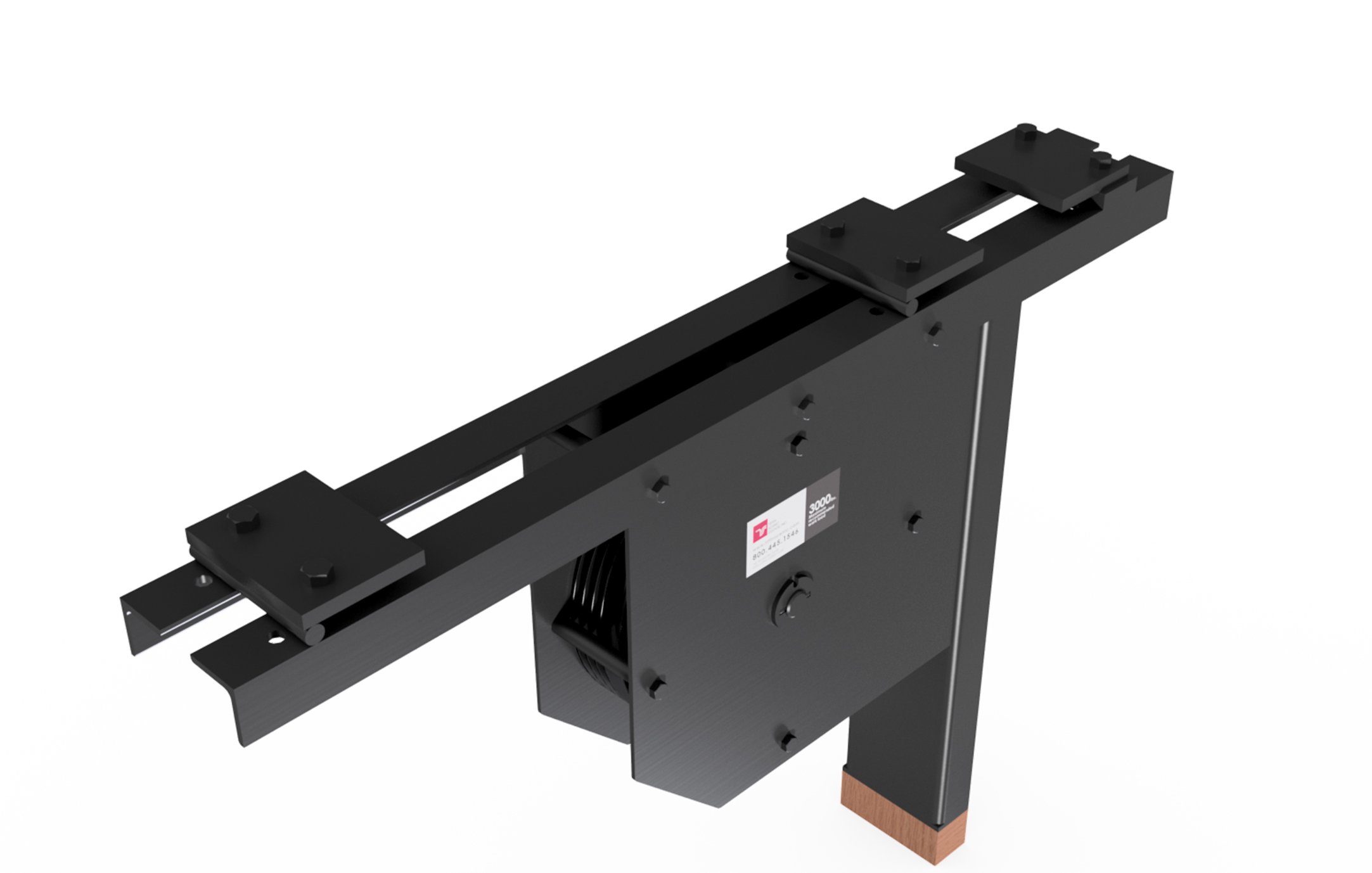
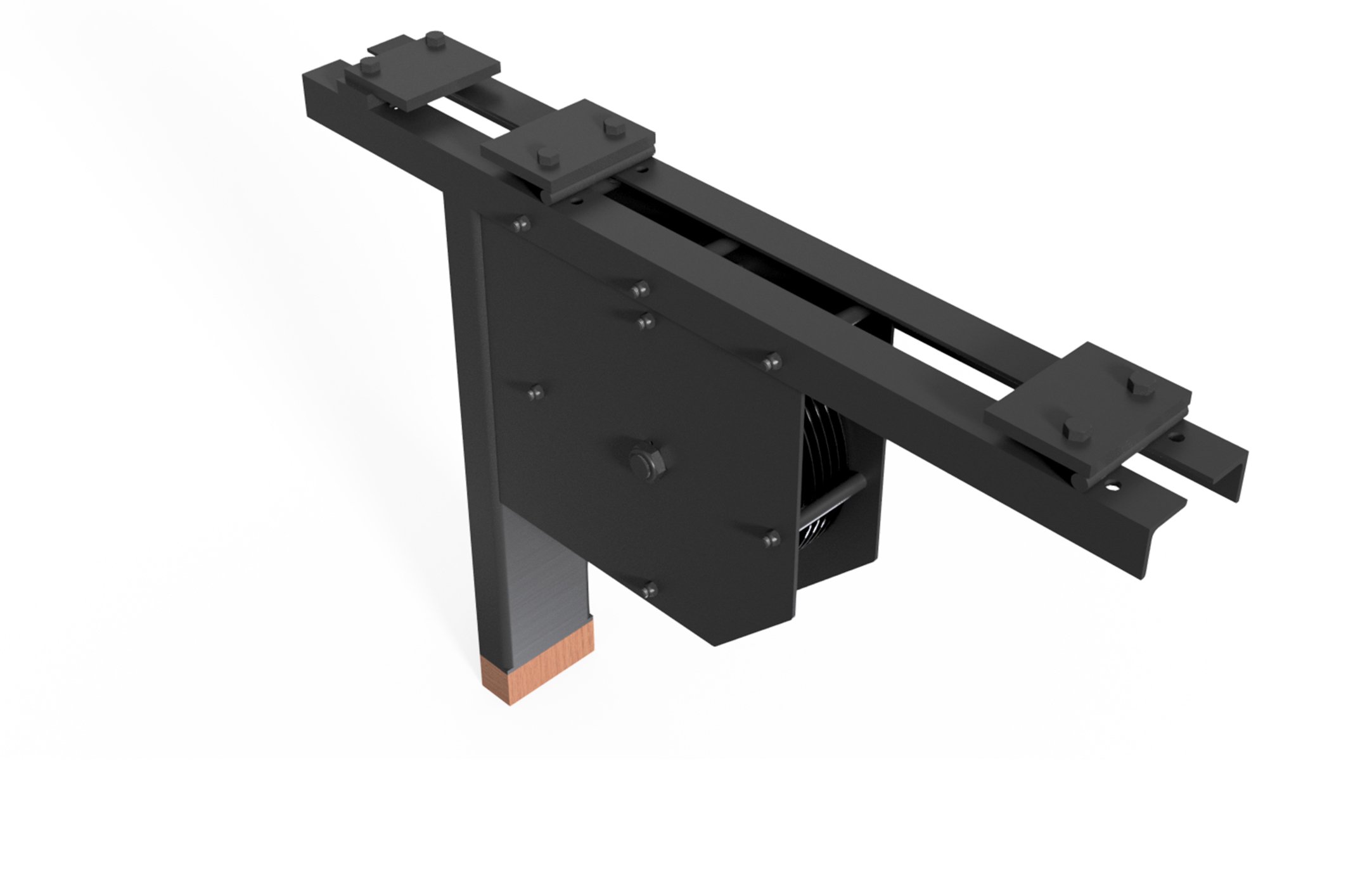
Underhung Loft Block
Underhung loft blocks are mounted to the bottom of a beam. You can add auxiliary sag pickups or idler sheaves to properly support the cables during horizontal travel.
Pivot Loft Block
Pivot loft blocks are designed with a pivot rod or hinge device that allows the sheave to reposition the cable and move scenery, lights and curtains.
Custom Loft Block
Custom loft blocks are engineered to fit your needs. They can be used to handle unusual rope angles, tight spaces and multi-sheave assemblies. Custom blocks are effective for retrofitting older venues.
MULE BLOCKS
A mule block is a supplementary piece of equipment placed between the head and loft blocks. If the equipment needs to turn, the mule block changes the direction of the line to support the extra weight.
COUNTERWEIGHT ARBORS
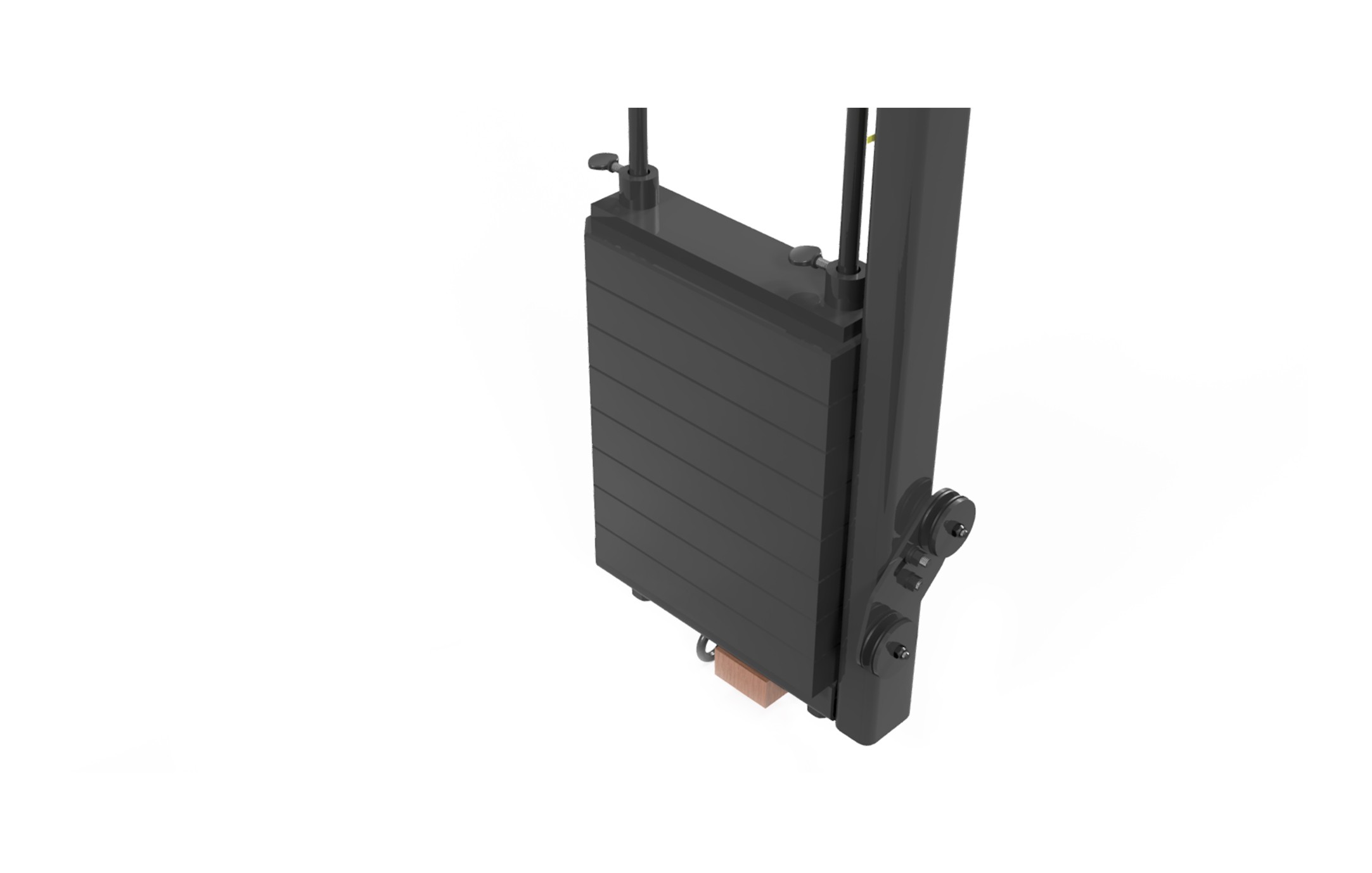
Box Counterweight Arbor
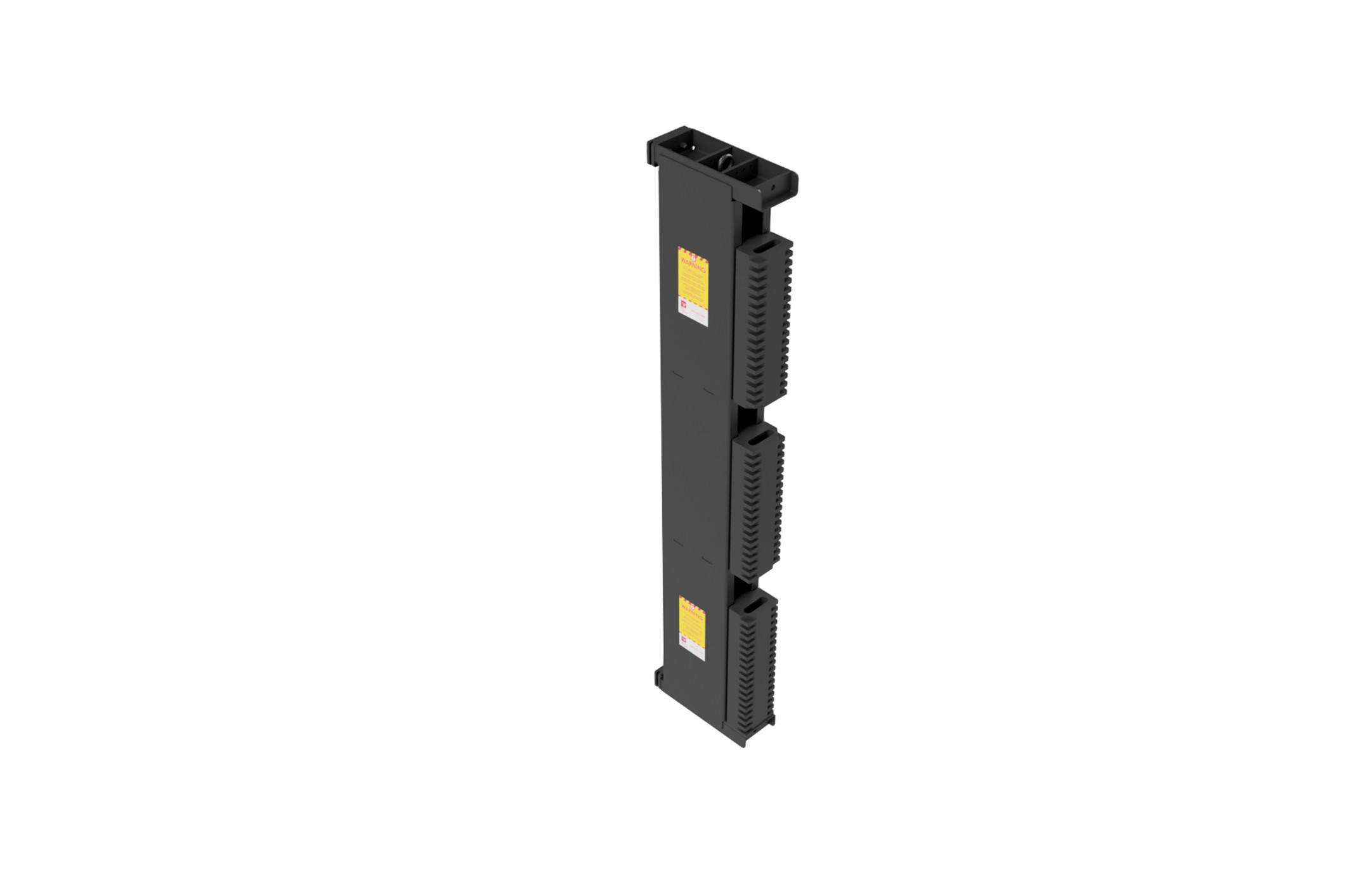
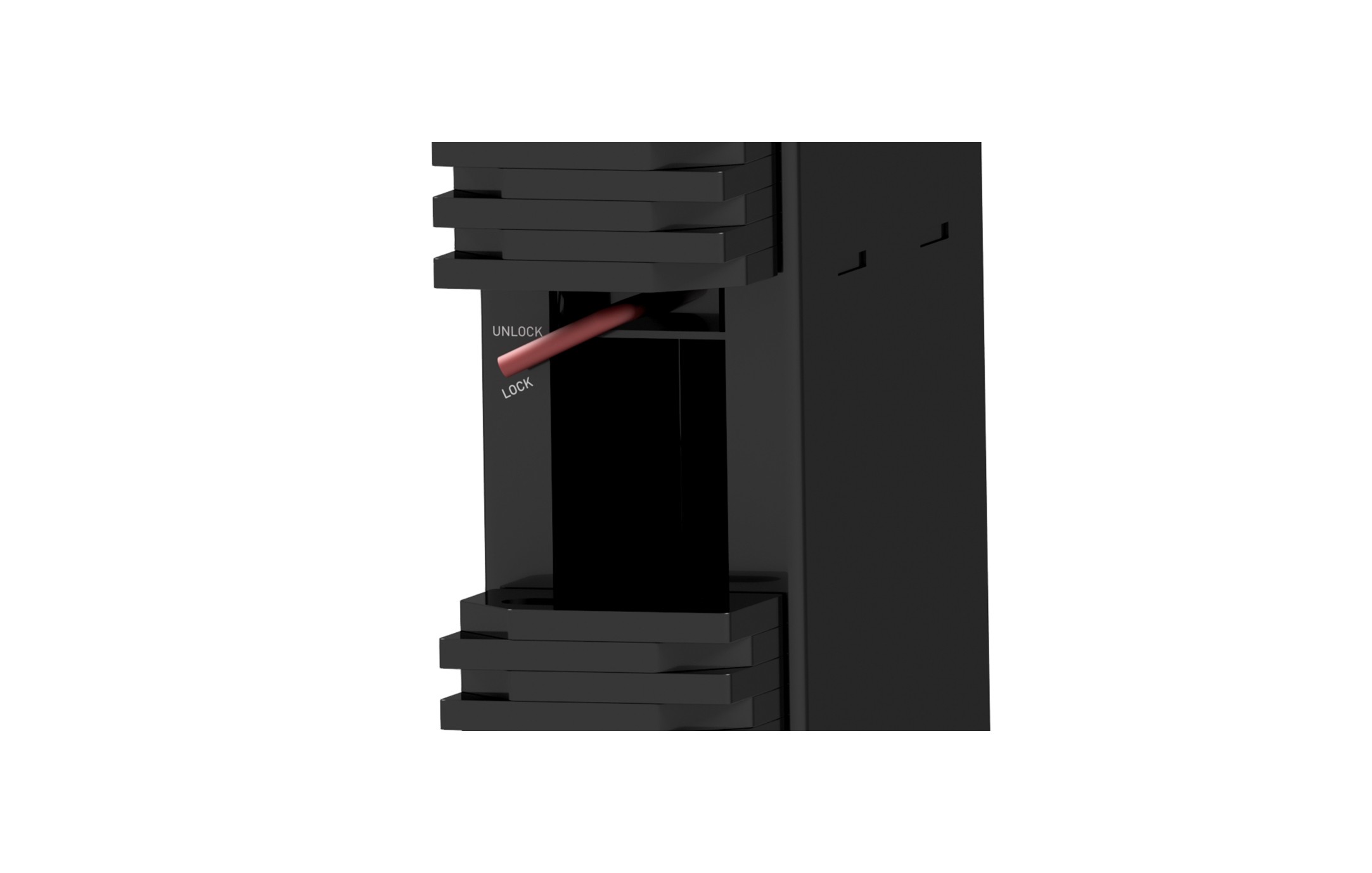
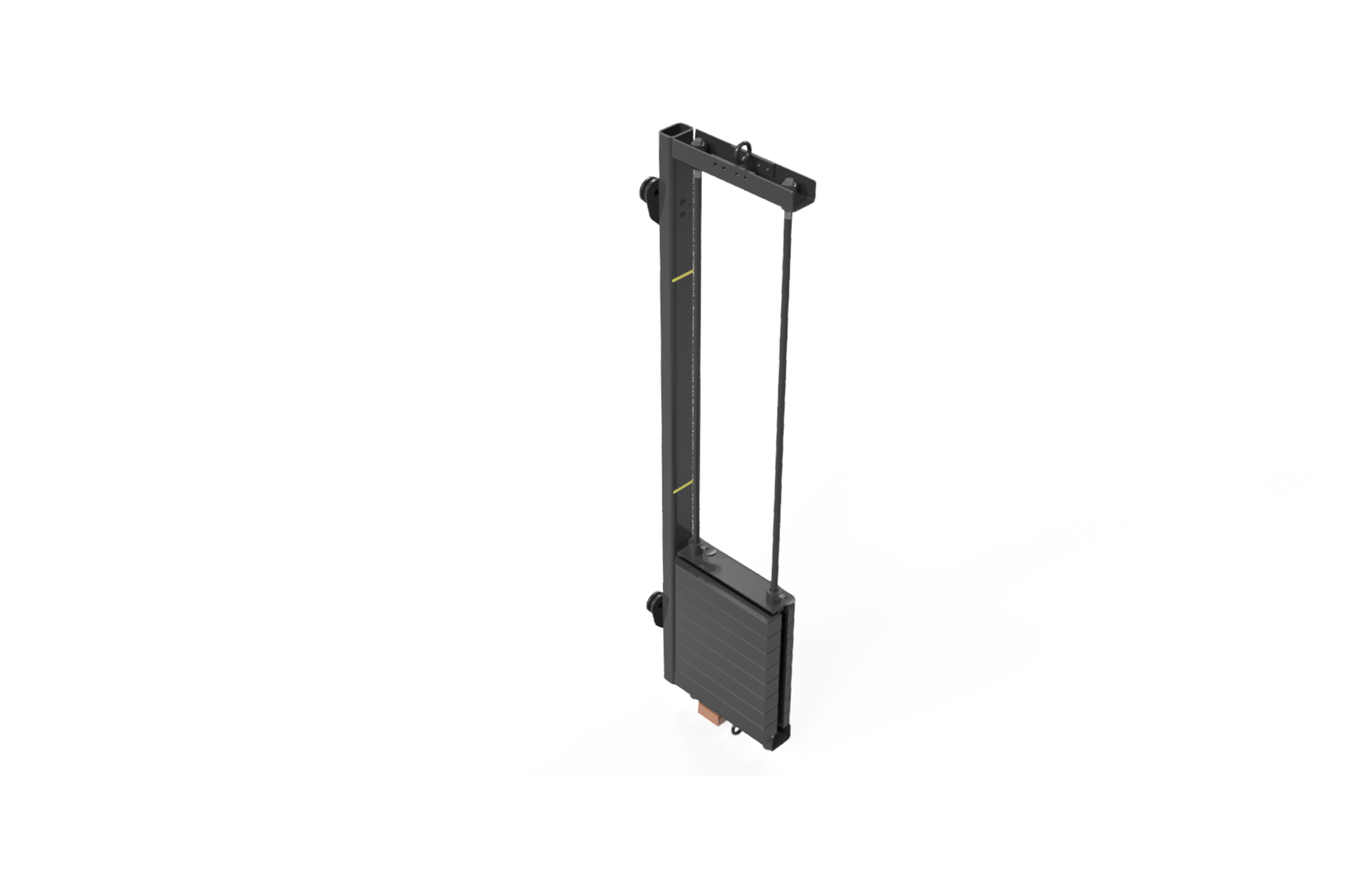
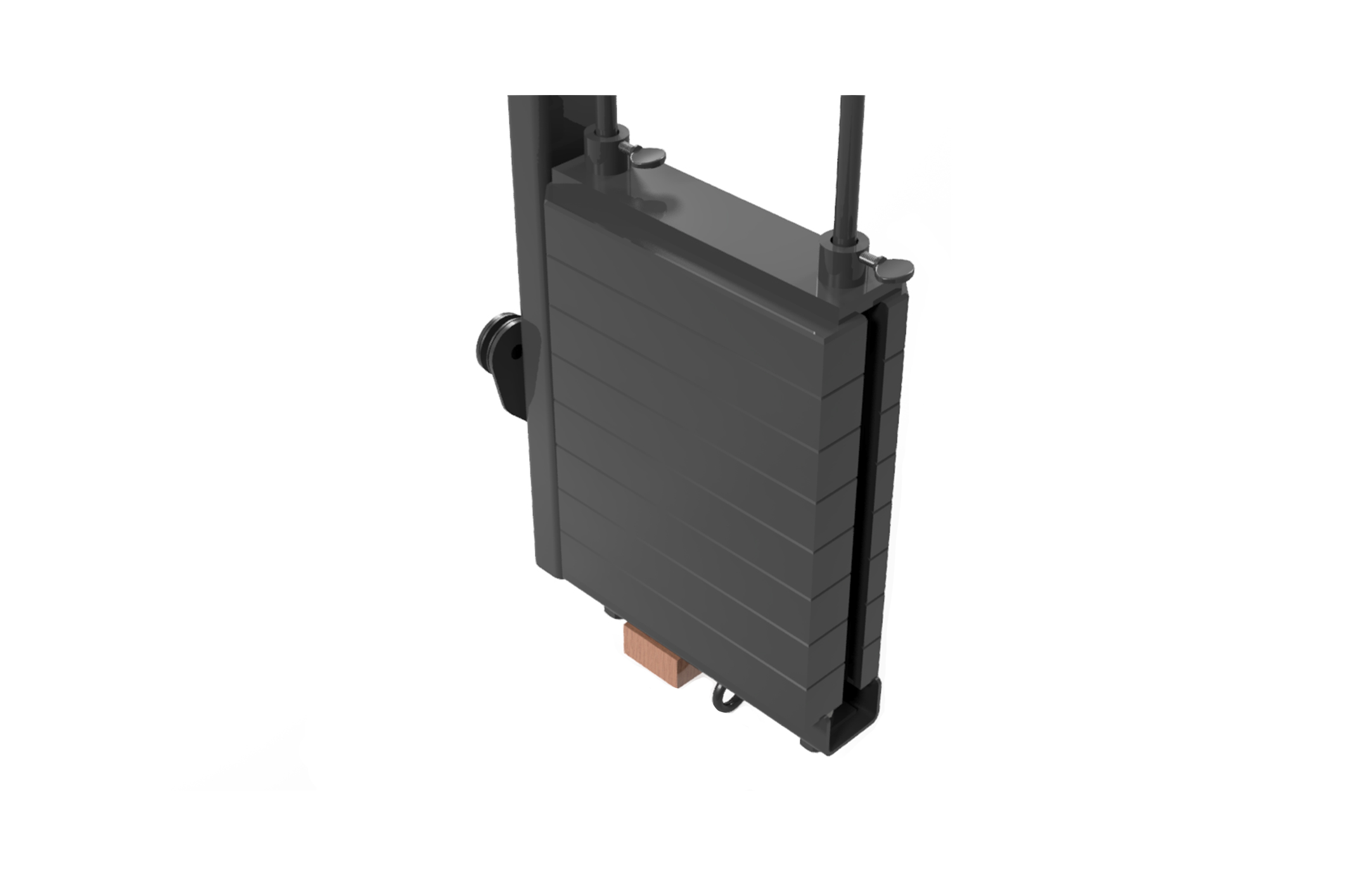
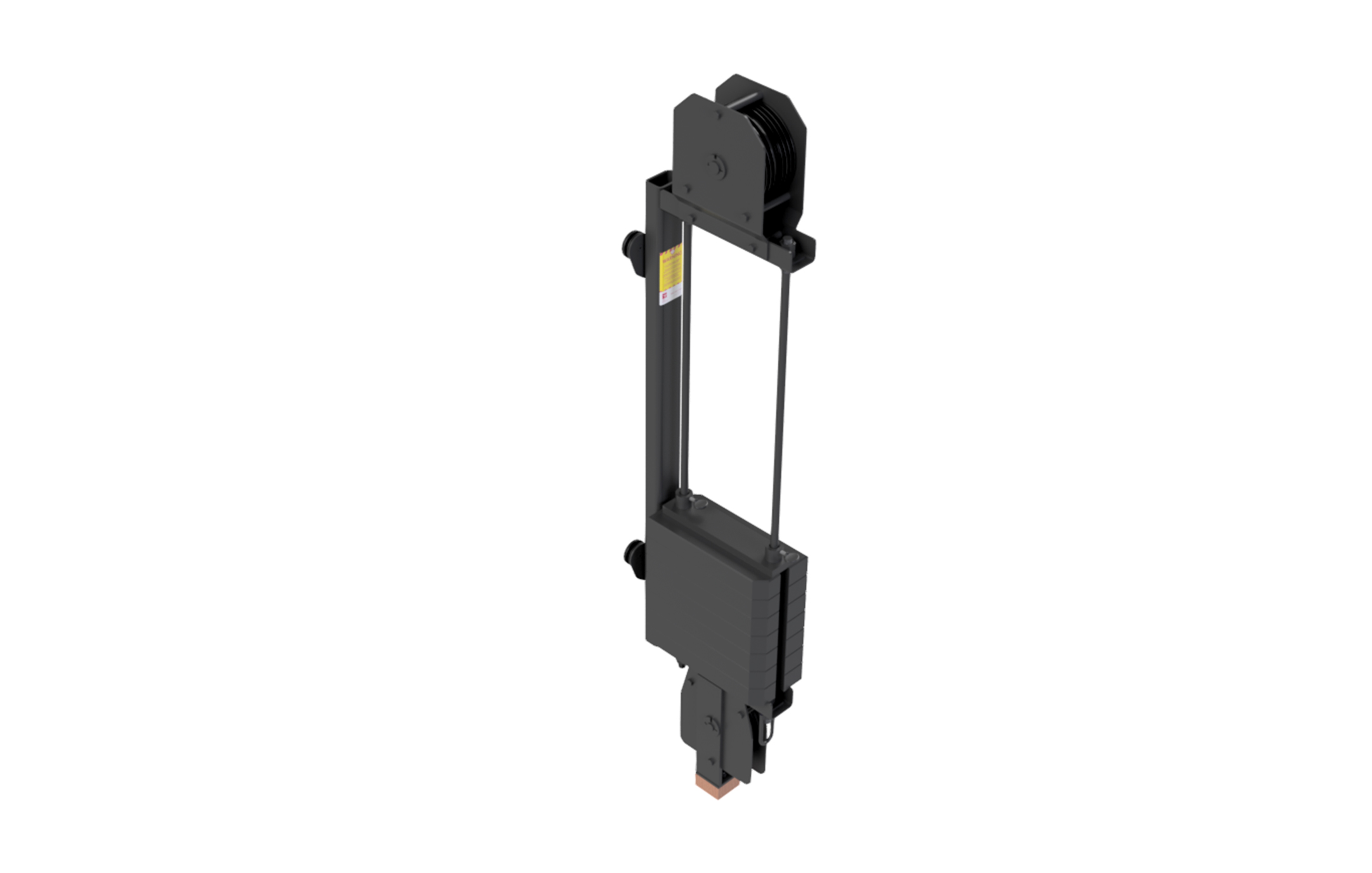
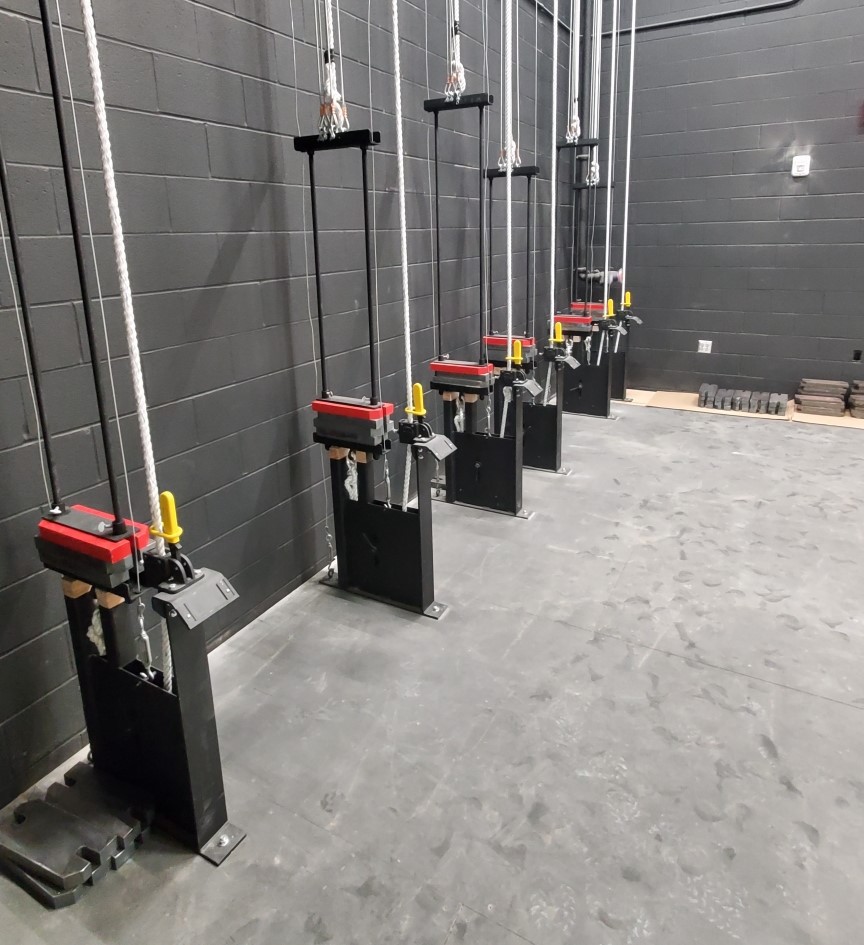
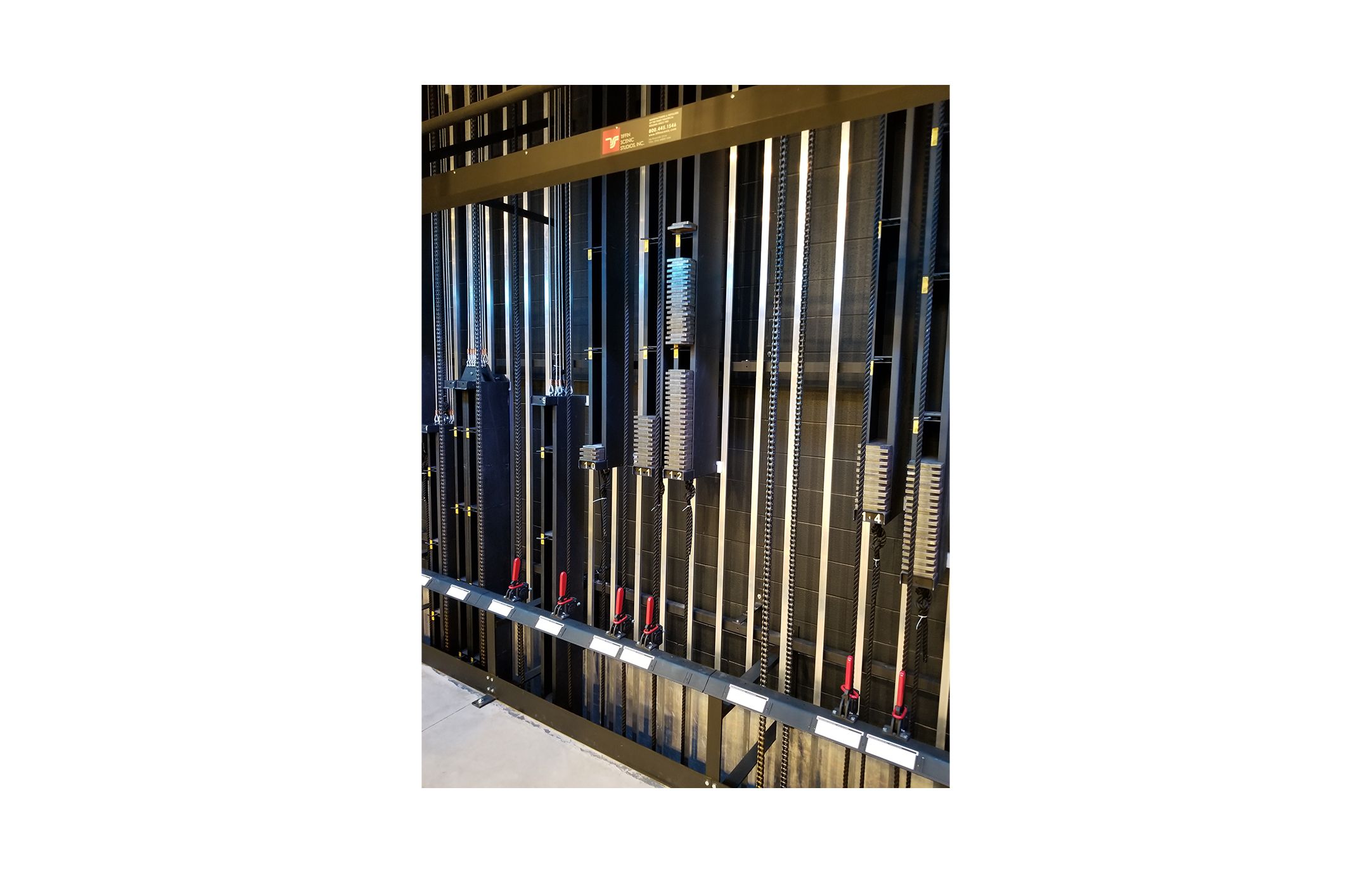
An arbor holds weights to counterbalance the load of battens, scenery and lights. Tiffin Scenic Studios’ Box Arbor features an enclosed carriage with a counterweight ballast that’s stacked in compartments, eliminating the need for spreader plates.
Single Purchase Counterweight Arbor
Single purchase arbors are designed with two steel rod members that connect to the arbor with lock nuts for security. An arbor backbone ensures rigidity, while the cable and purchase lines attach to the top member for structural support.
Double Purchase Counterweight Arbor
Also known as compound arbors, double purchase arbors include cable and rope sheaves at the top and a rope sheave on the bottom to provide two-to-one operation. The pipe battens move two feet for every foot the arbor travels, requiring twice the counterweight ballast as pipe batten weights.
Wire Arbor Guide System
A wire arbor keeps a rigging system aligned using steel guide wires that stretch from the top of the stage house to the floor. The rollers in the arbor clamp the guidelines and keep the equipment from swaying.
J-Bar Arbor Guide System
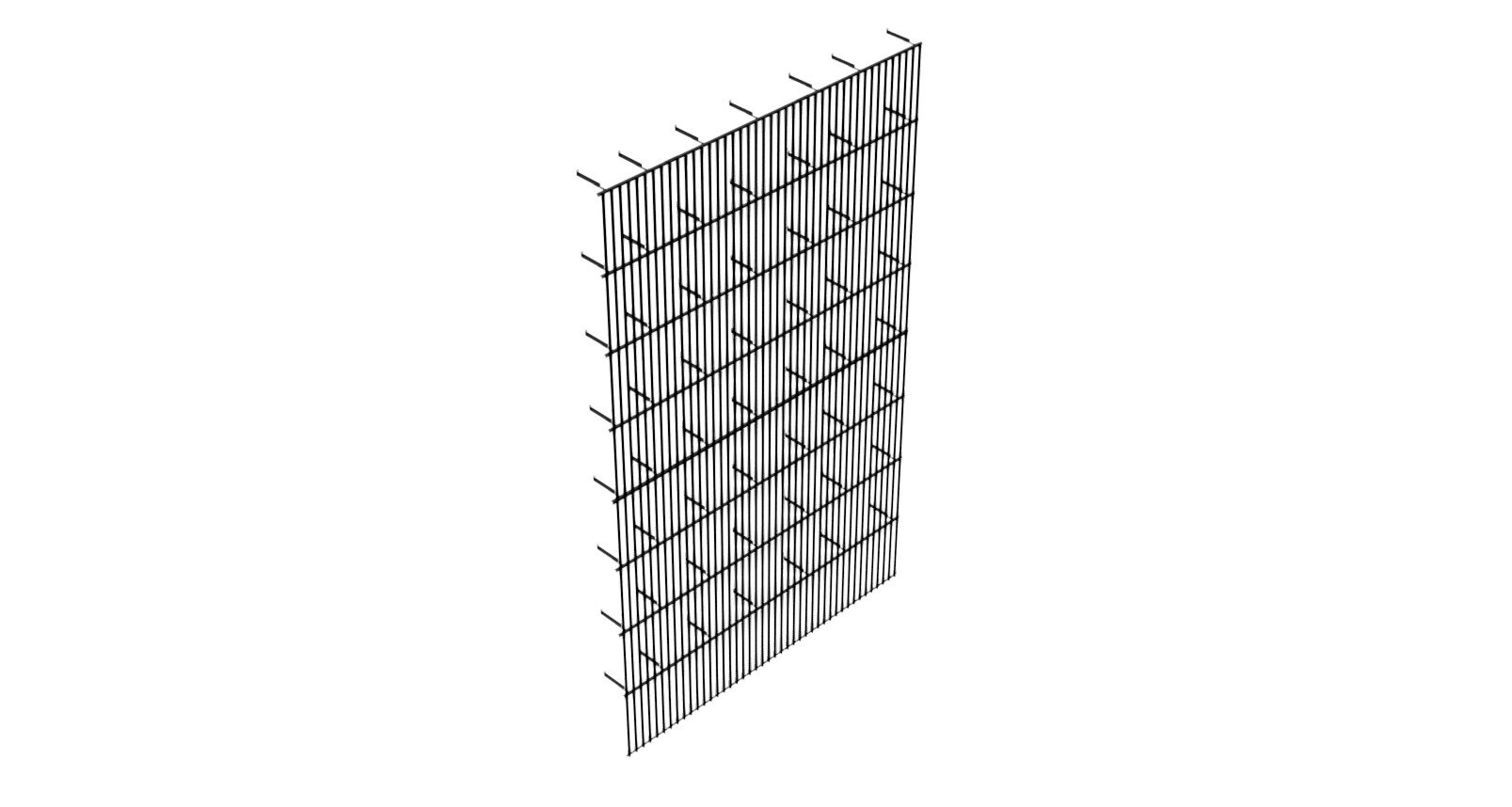
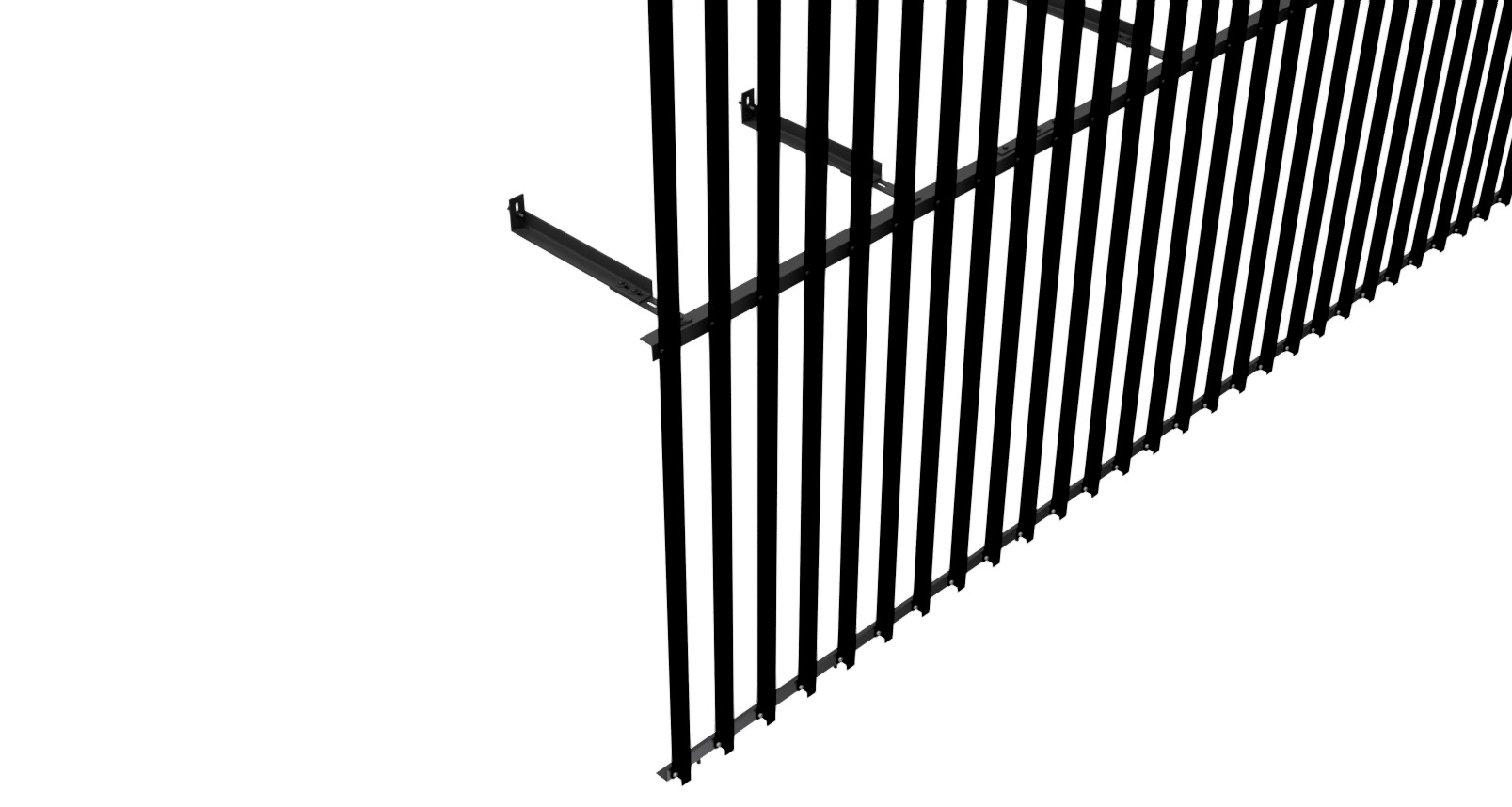
This mechanism keeps arbors aligned by moving up and down a fly tower. They’re mounted vertically on walls to keep components from colliding with the wall and other equipment.
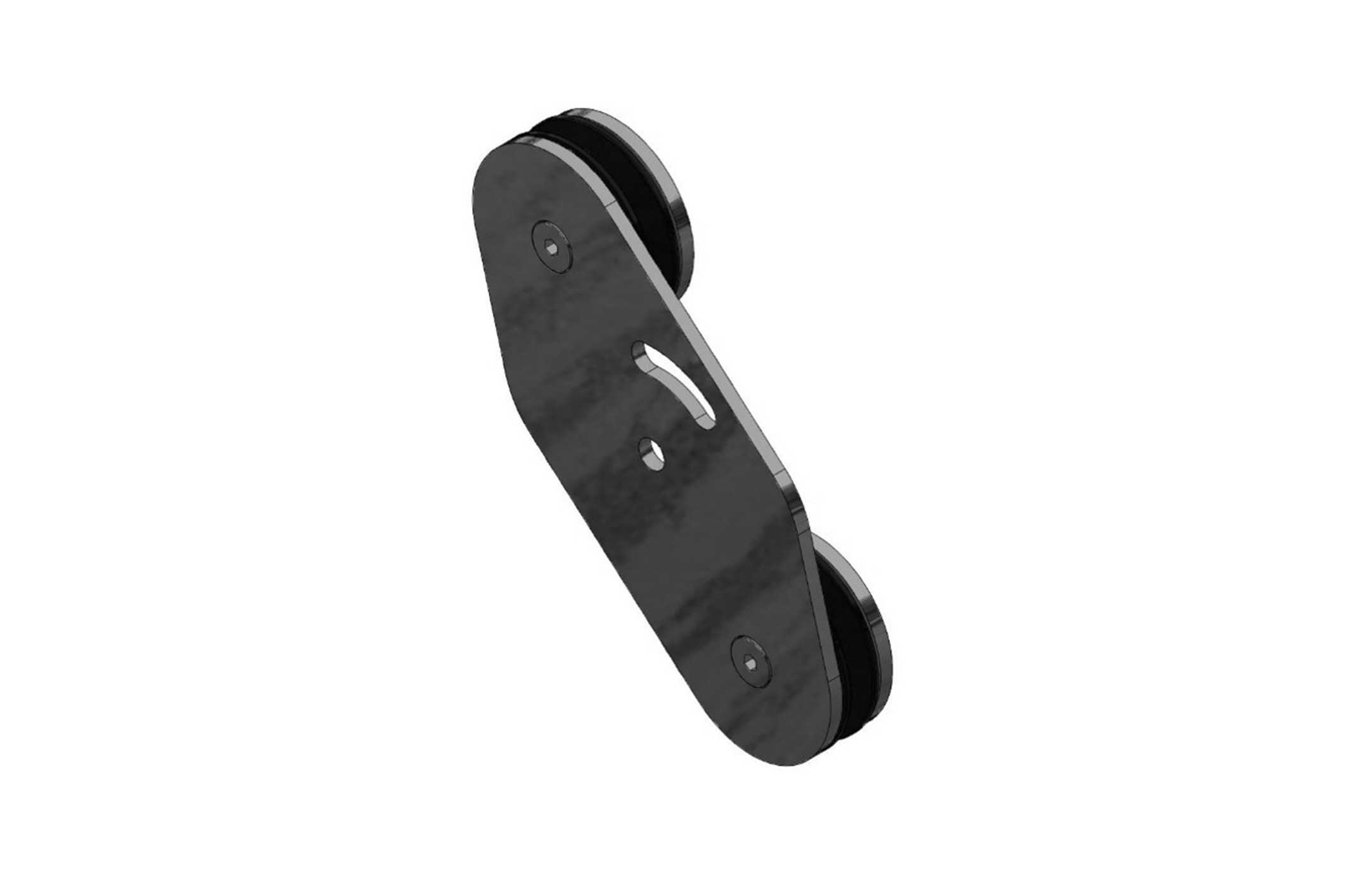
Roller Arbor Guide System
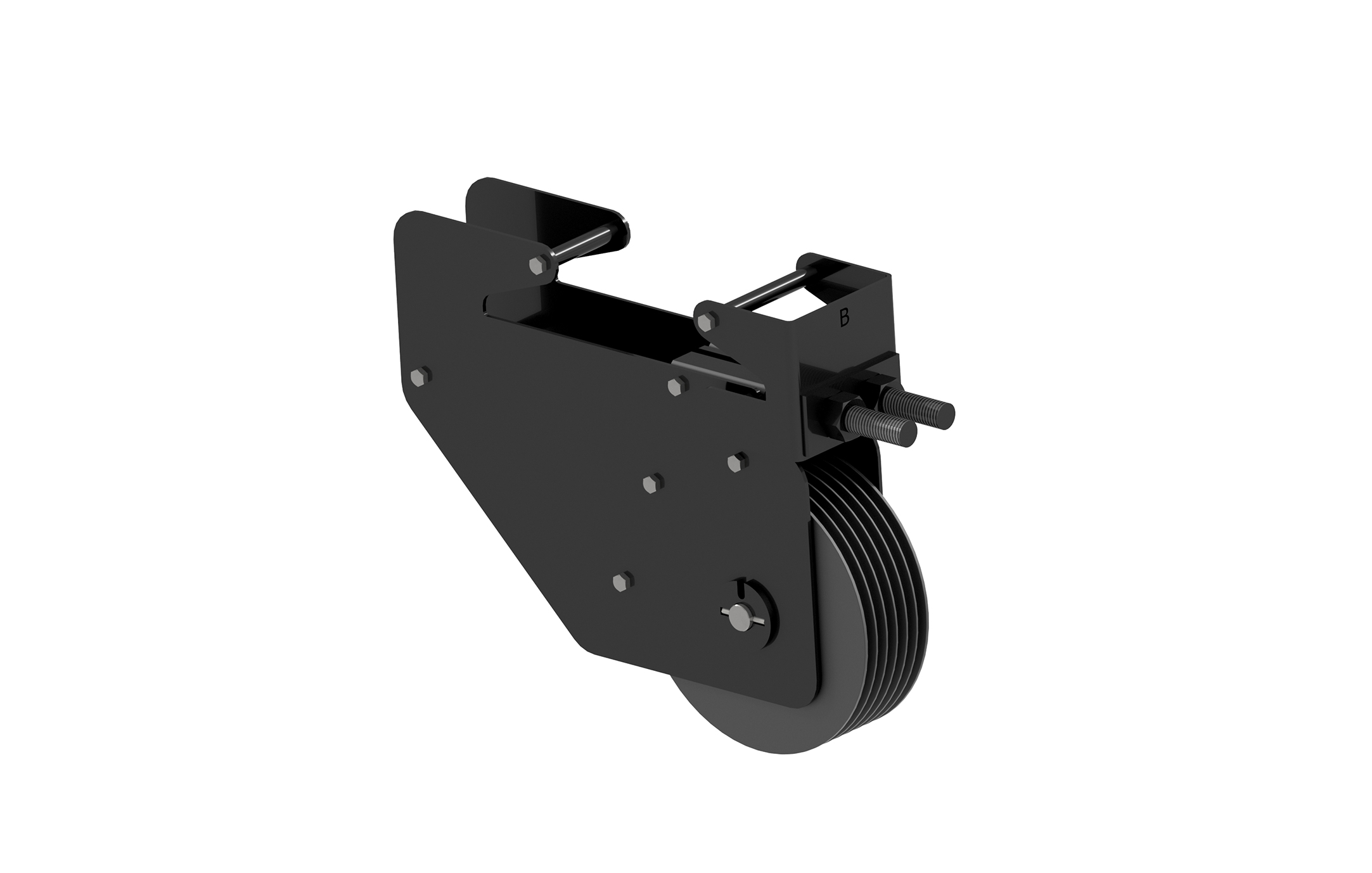
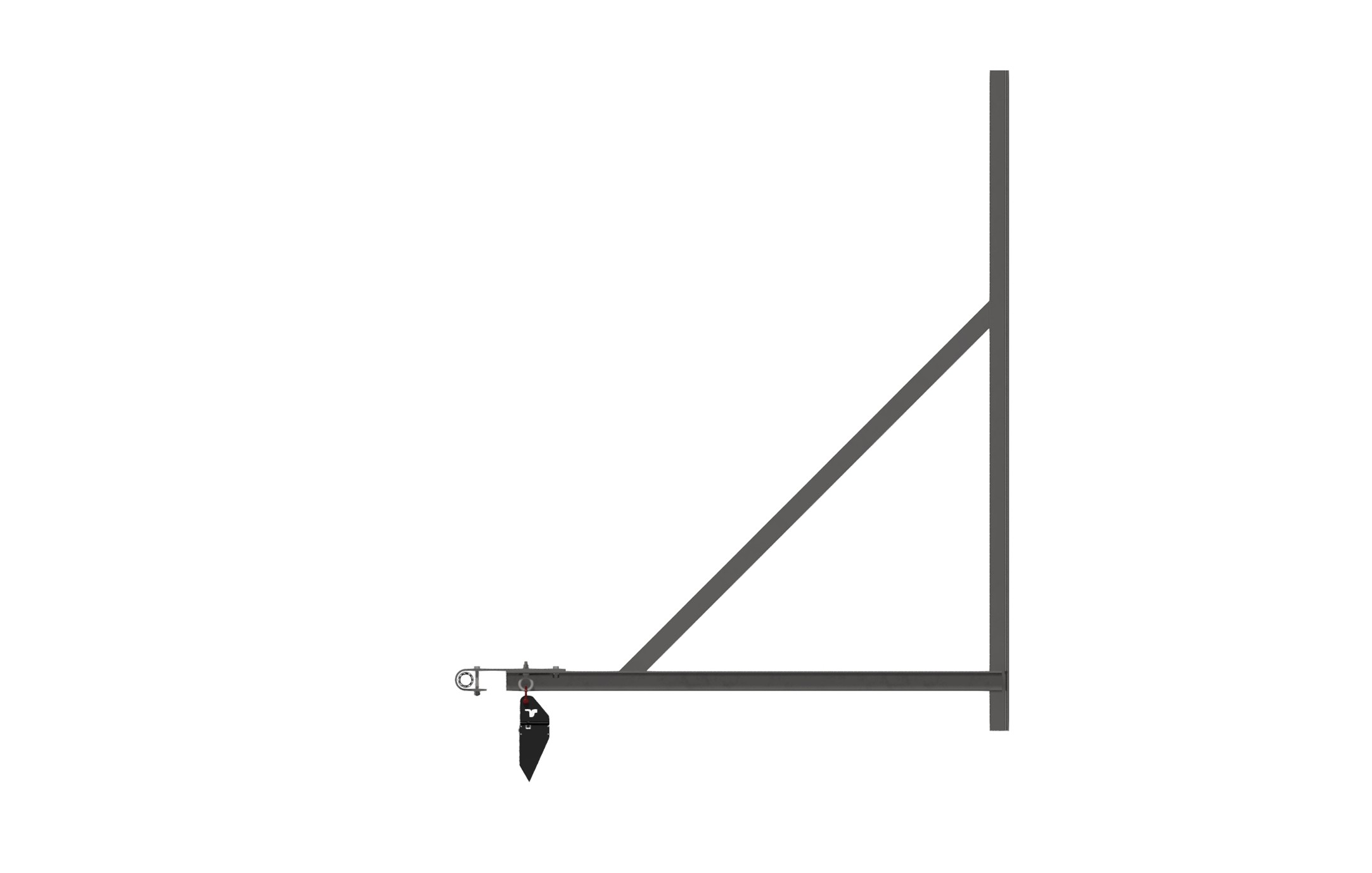
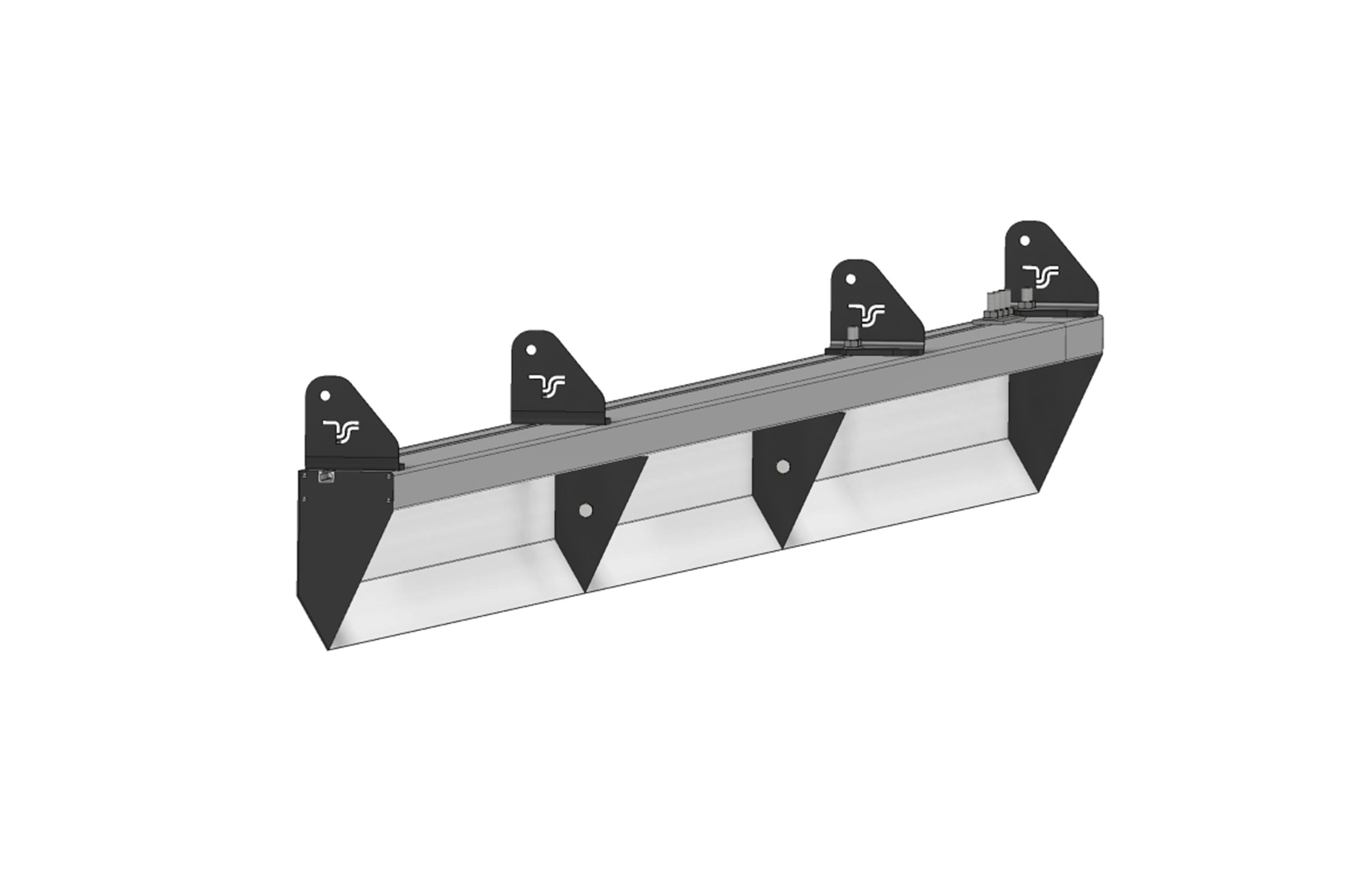
The all-new Tiffin Roller Guide Shoes were designed to reduce friction at the J-bar guide system by using rolling sheaves instead of fiber shoes. That makes the set operation smoother, easier and quieter during production. Adjustable mounting allows for easy retrofitting to existing systems.
FLOOR BLOCKS
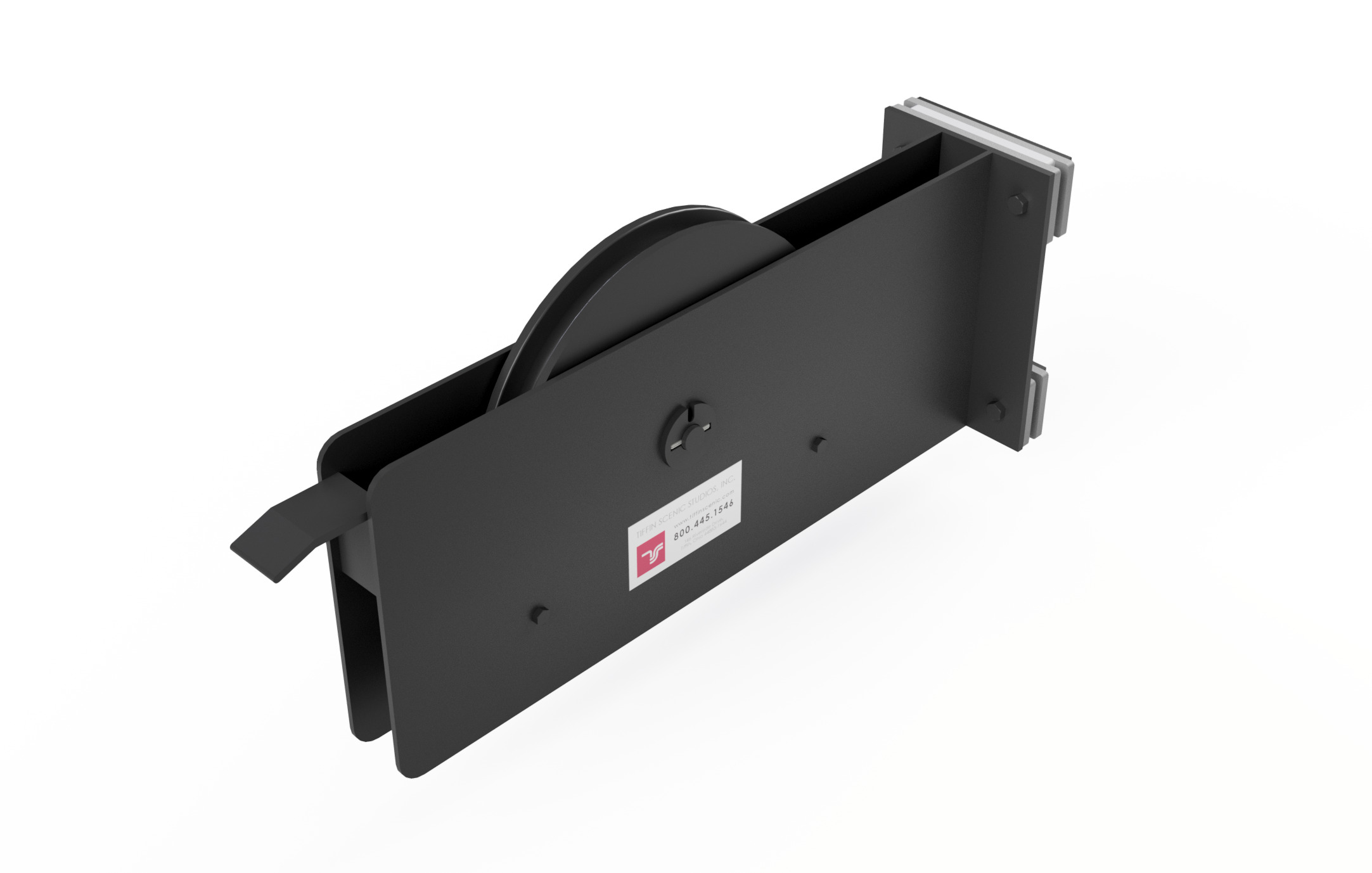
Tension Floor Blocks
Floor blocks are designed to remove slack from a purchase line, prevent the line from twisting as it travels and prevent rubbing against wire ropes, structural framing and adjoining equipment.
Sliding Tension Floor Blocks
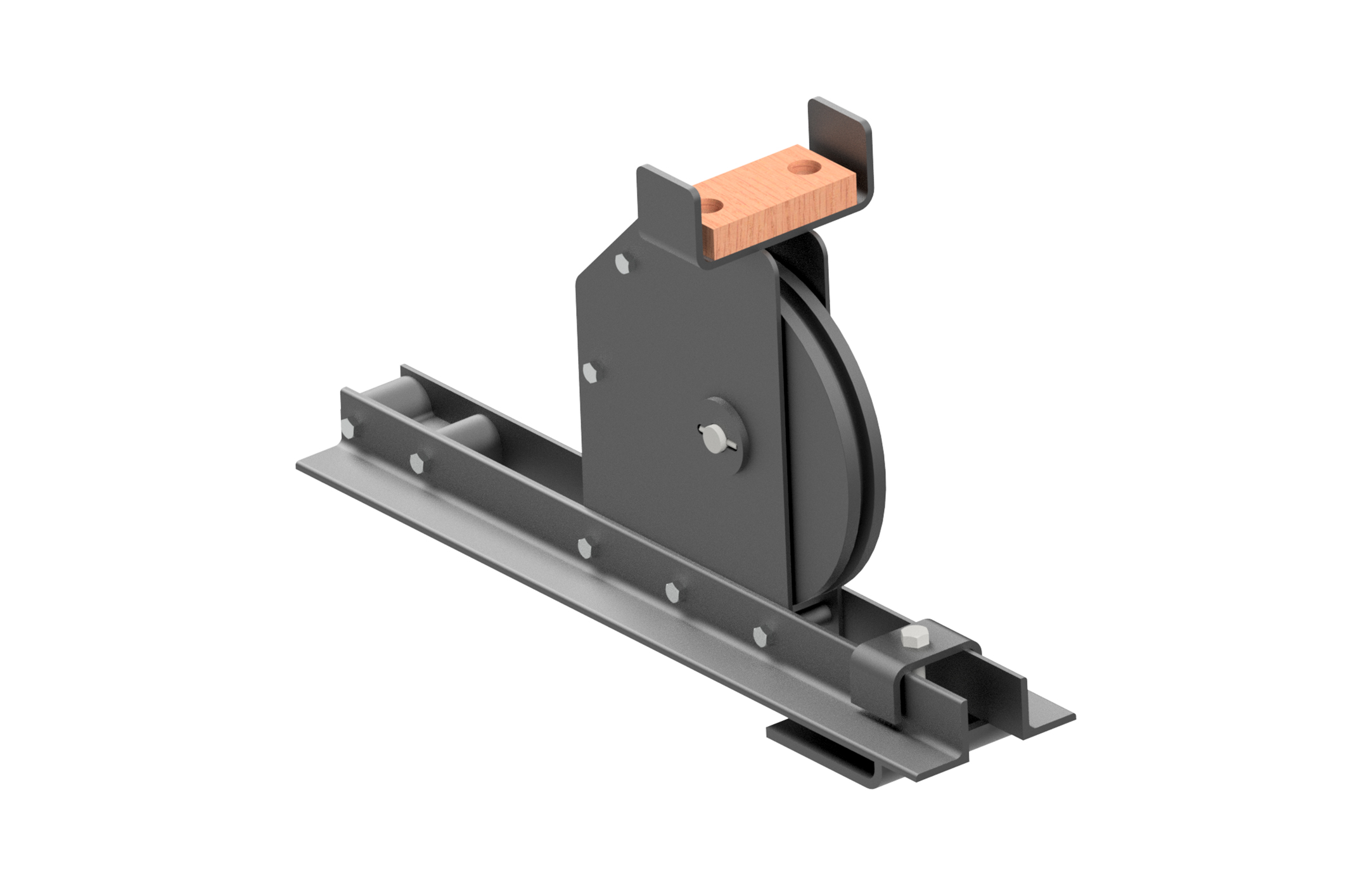
This type of counterweight system runs operating lines from a head block to a sliding floor block. The floor block maintains tension by moving in the track, which automatically corrects slack in the rope.
LOCKING RAILS
Heavy-Duty Locking Rail
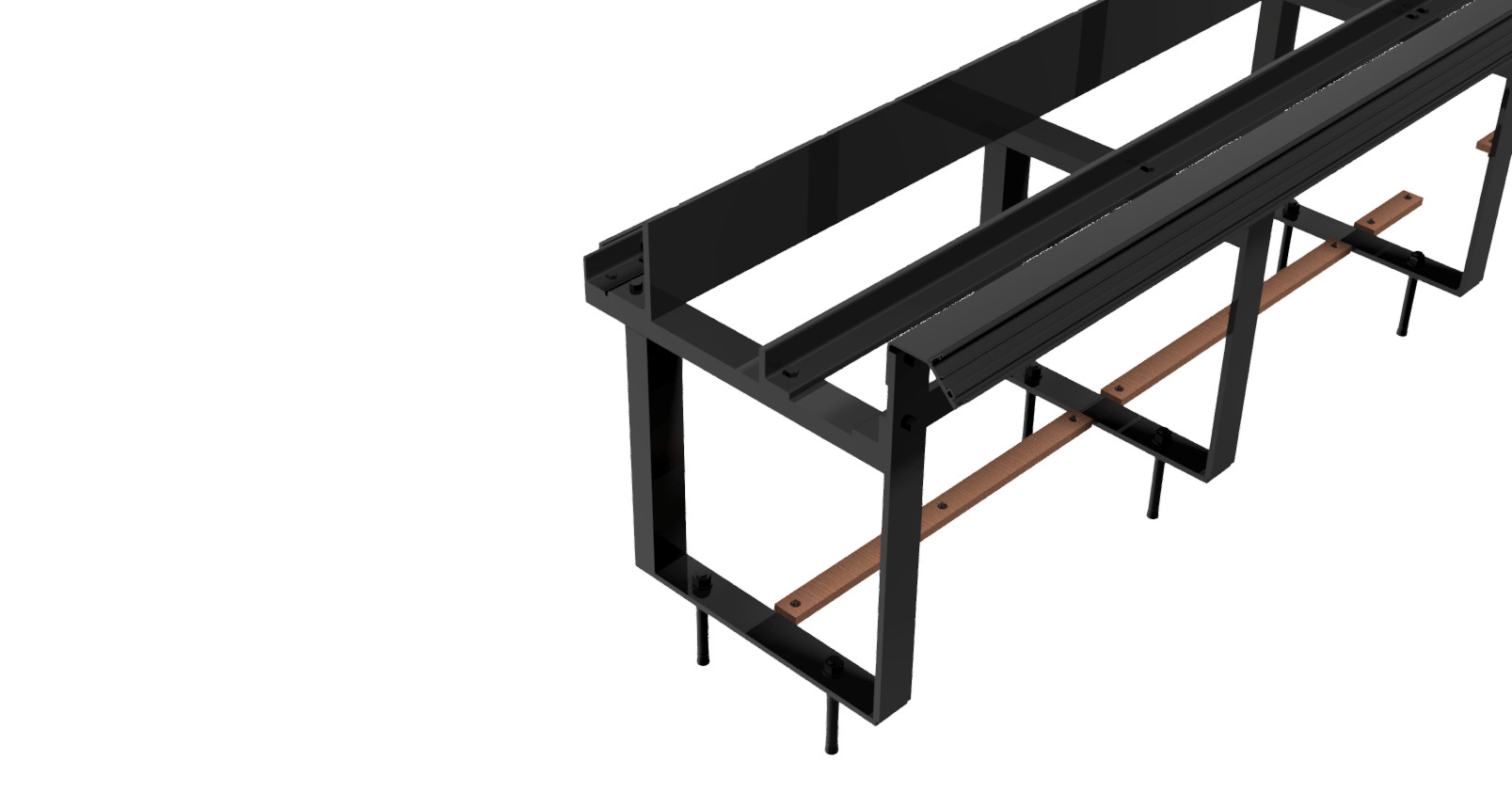
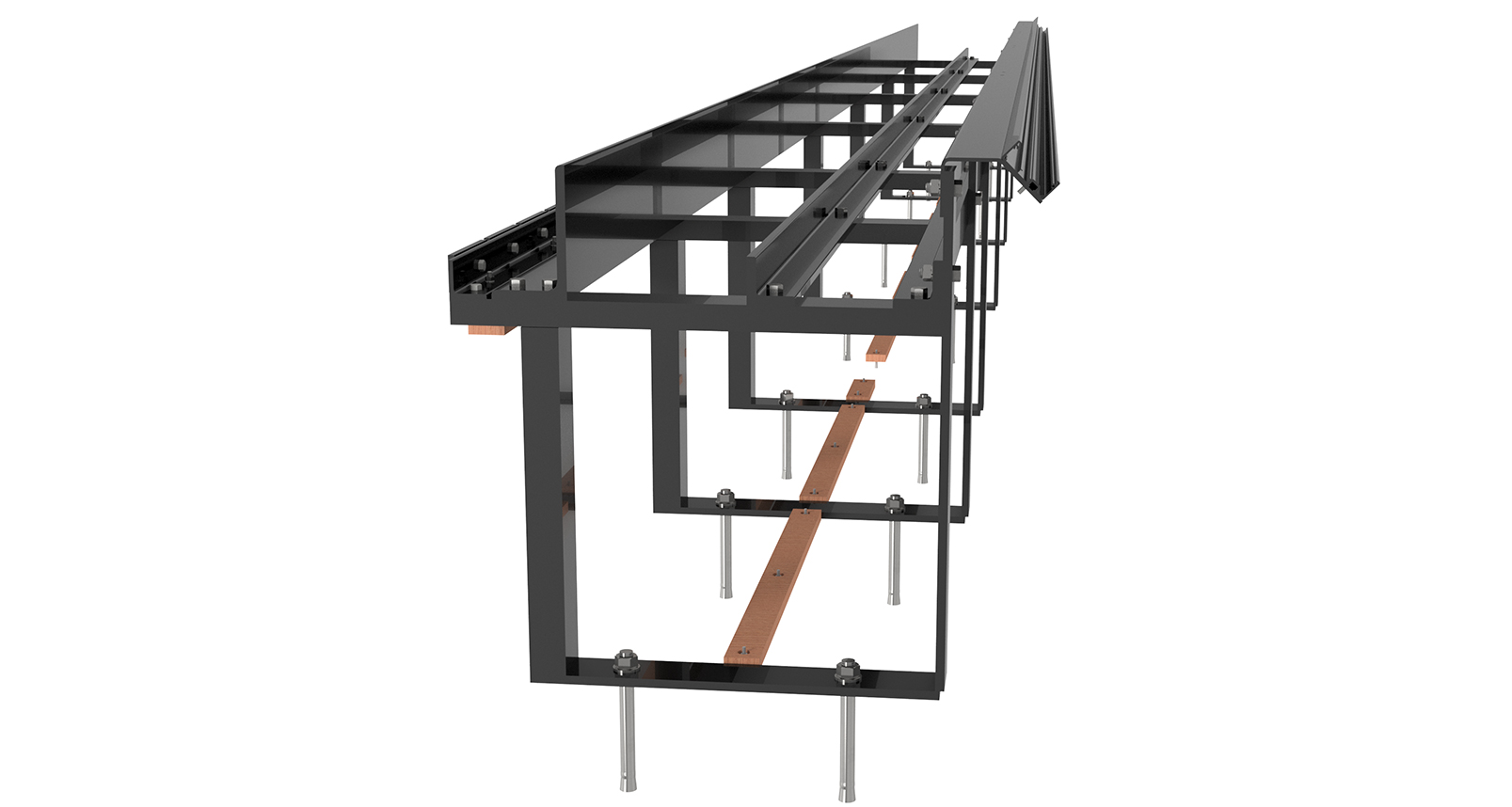
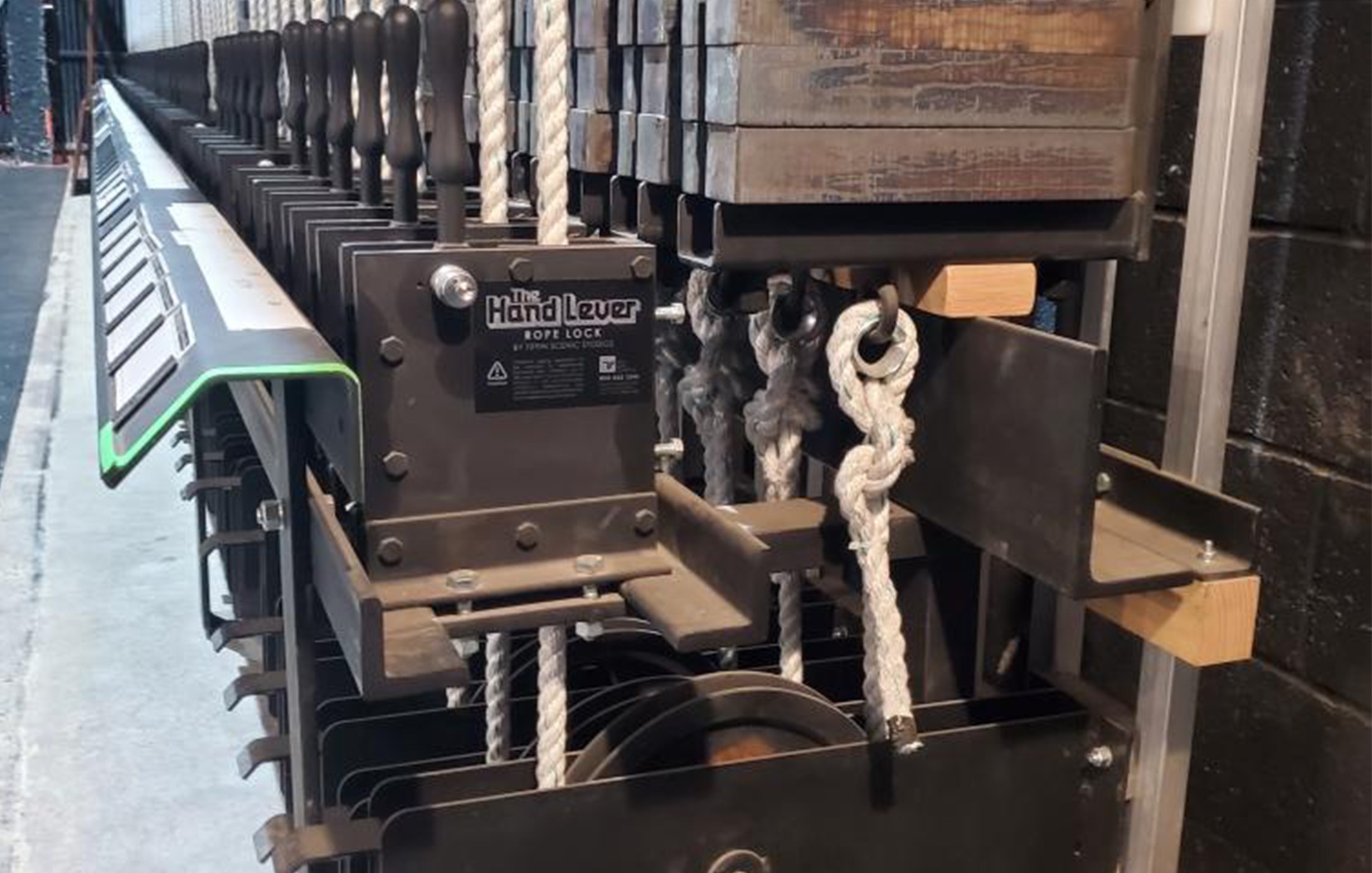
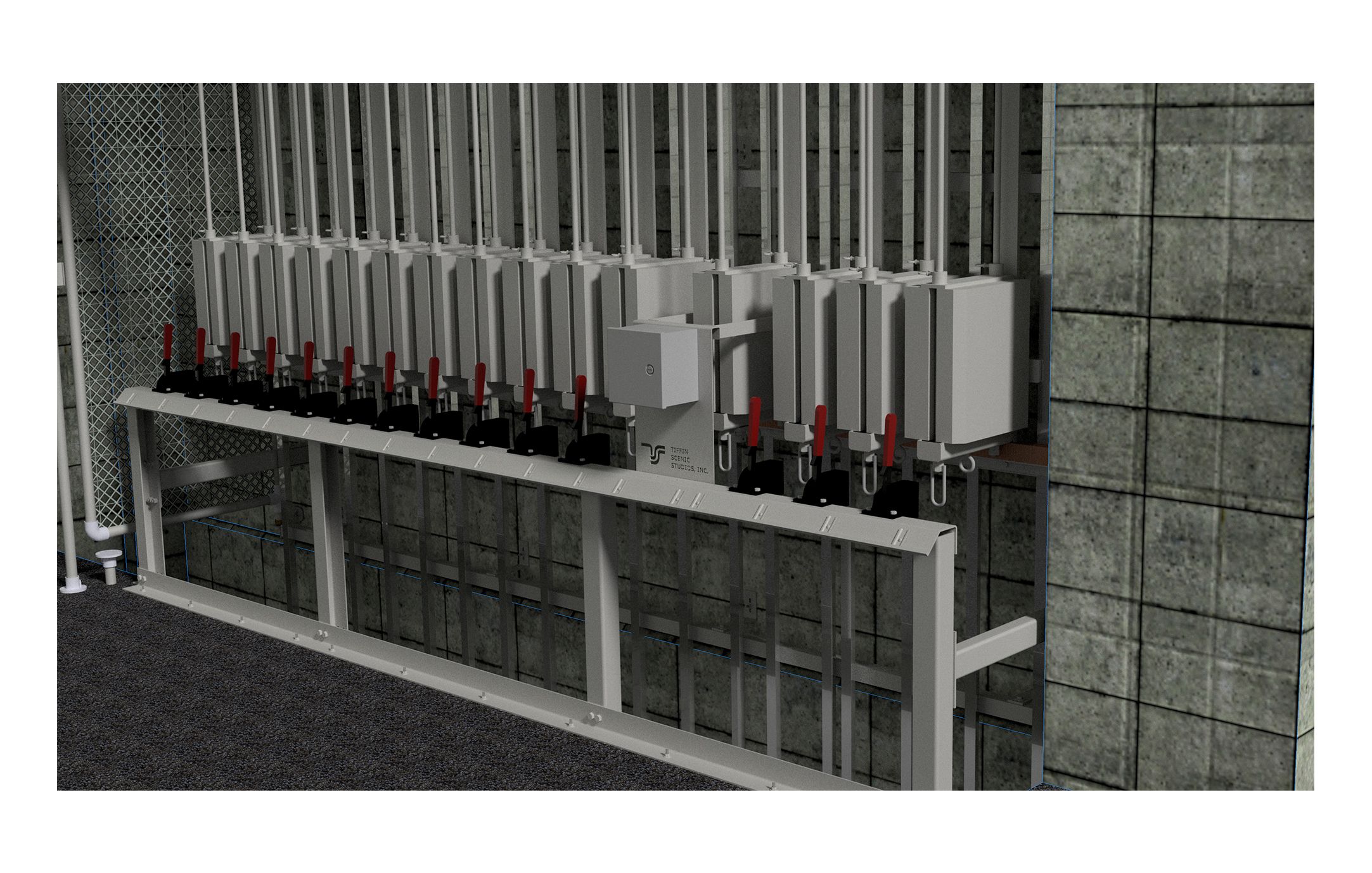
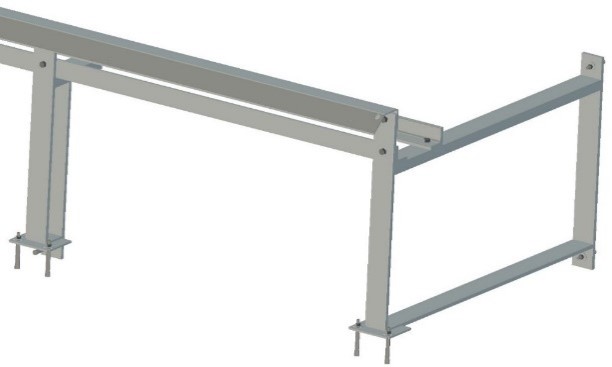
Tiffin Scenic Studios’ Heavy-Duty Locking Rail is designed to house hand rope locks and restrictor rope locks. It’s made from three-inch bent steel and designed to be positioned on five-foot centers. A heavy-duty ½” x 6” x 4” positive lower arbor stop transfers the energy into the floor to maintain balance.
Standard Locking Rail
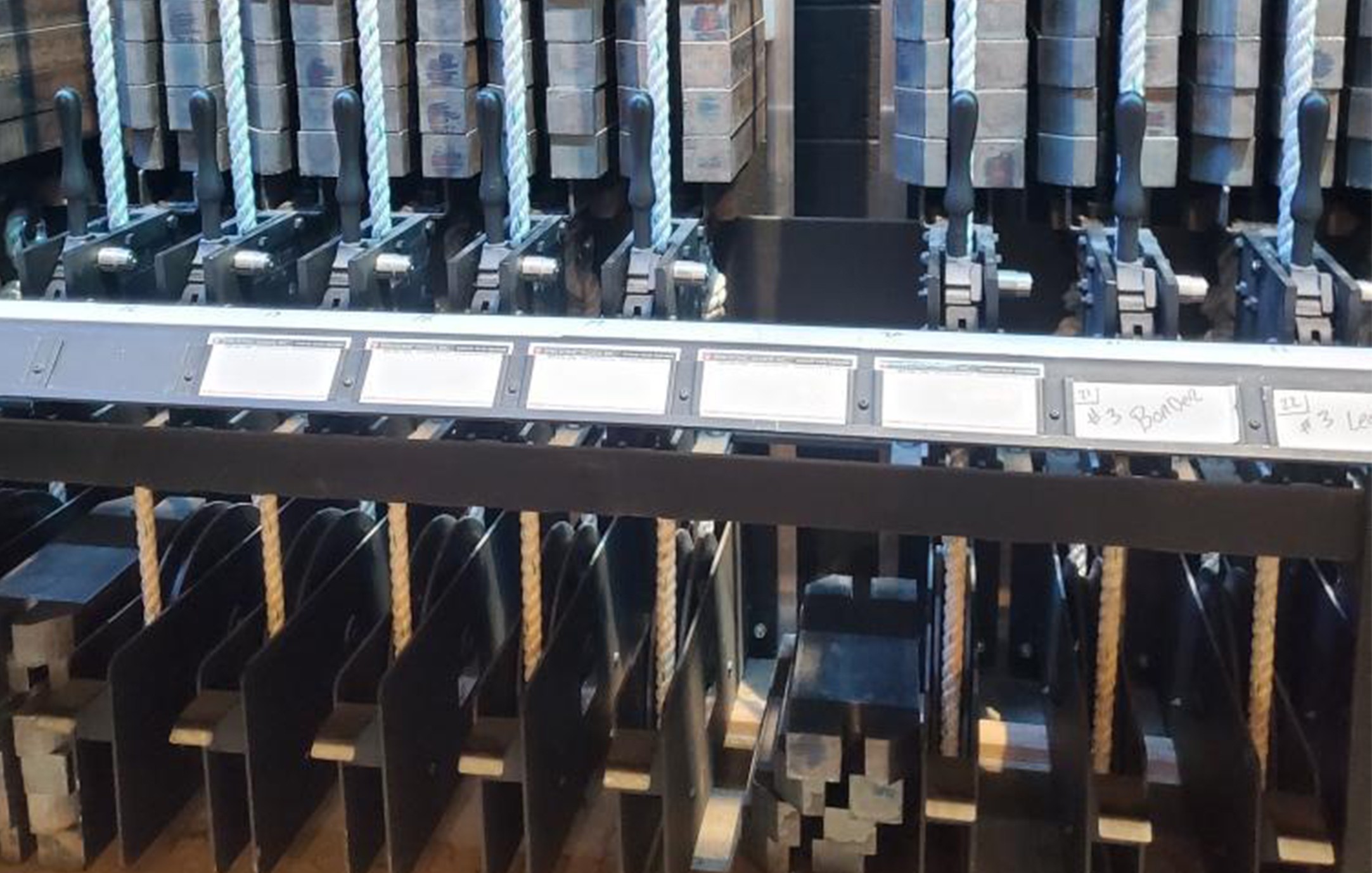
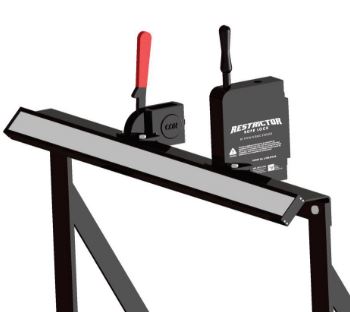
The standard locking rail allows you to mount smaller cast-iron rope locks on the front angle and index card strip. Tiffin Scenic Studios’ Restrictor Rope Lock is available for this configuration.
Pass-Through Locking Rail
The pass-through locking rail allows mounting at the edge of an elevated fly floor or at the floor level if it has a rigging pit. Both locations allow the arbor to pass through or past the locking rail as it travels.
ILLUMINATED LED INDEX STRIP
The rear illuminated LED index strip highlights the locking rail with a soft glow to allow rail operators to differentiate between sets. The strip is dimmable, has a 50,000-hour lifetime and can be labeled with a dry-erase marker.
ROPE LOCKS
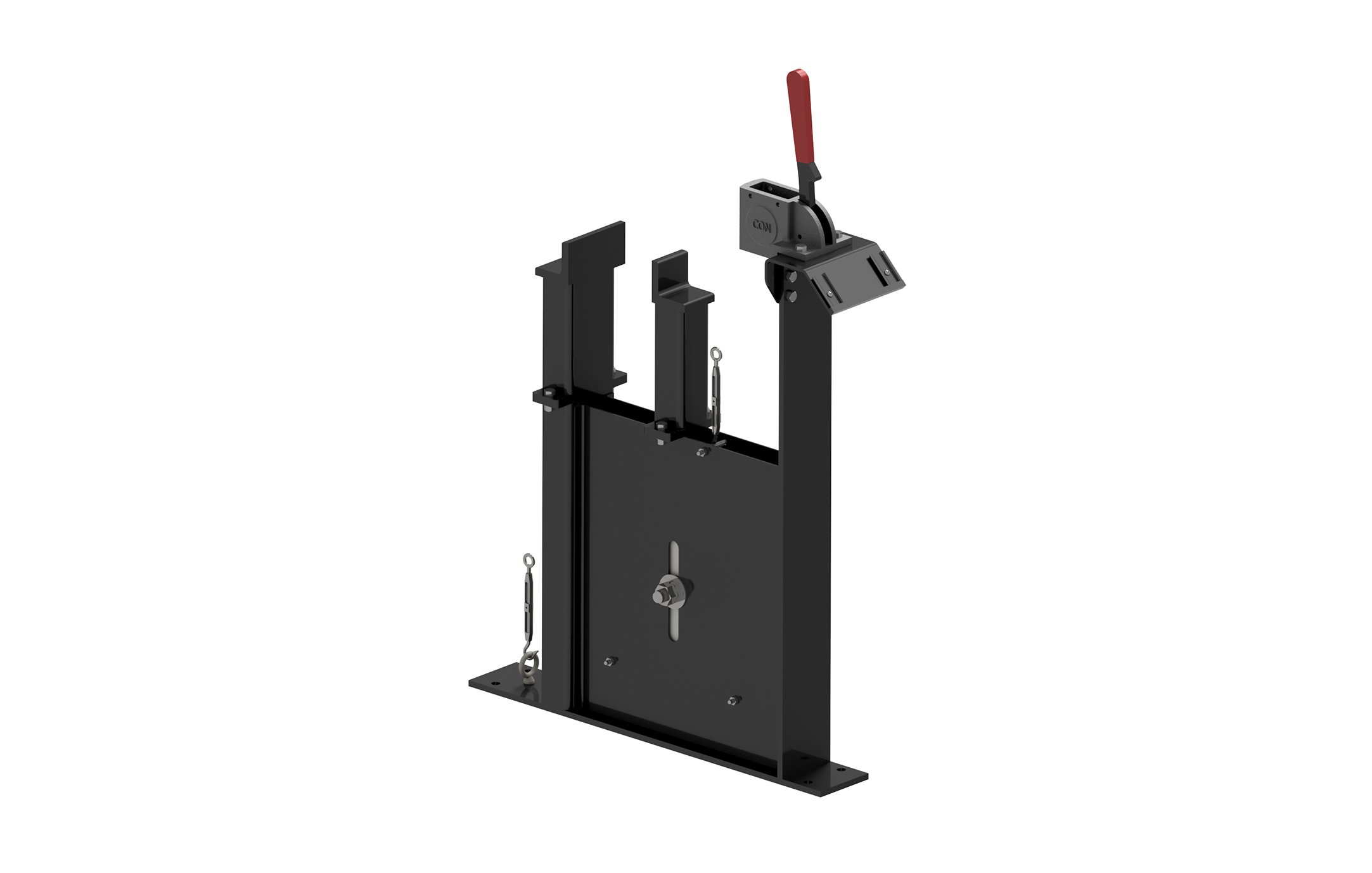
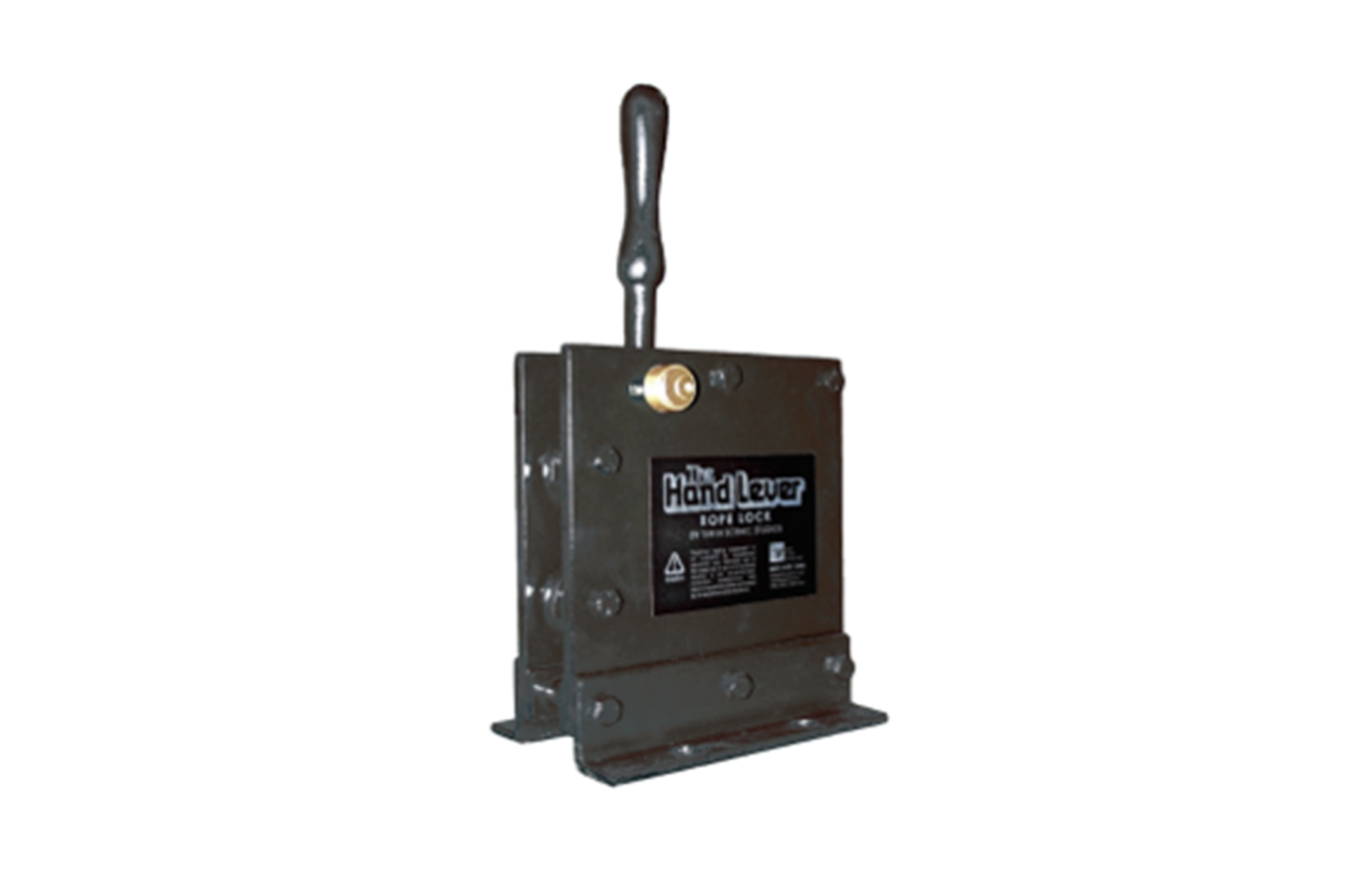
Hand Lever Rope Lock
The hand lever rope lock’s steel body is engineered for strength and durability. The six-inch-long pairs of shoes are applied evenly with a double eccentric cam method that allows for better grip. This lock can hold 1,000 pounds out of balance and an arbor or batten 250 pounds out of balance in three feet after free-falling up to eight feet.
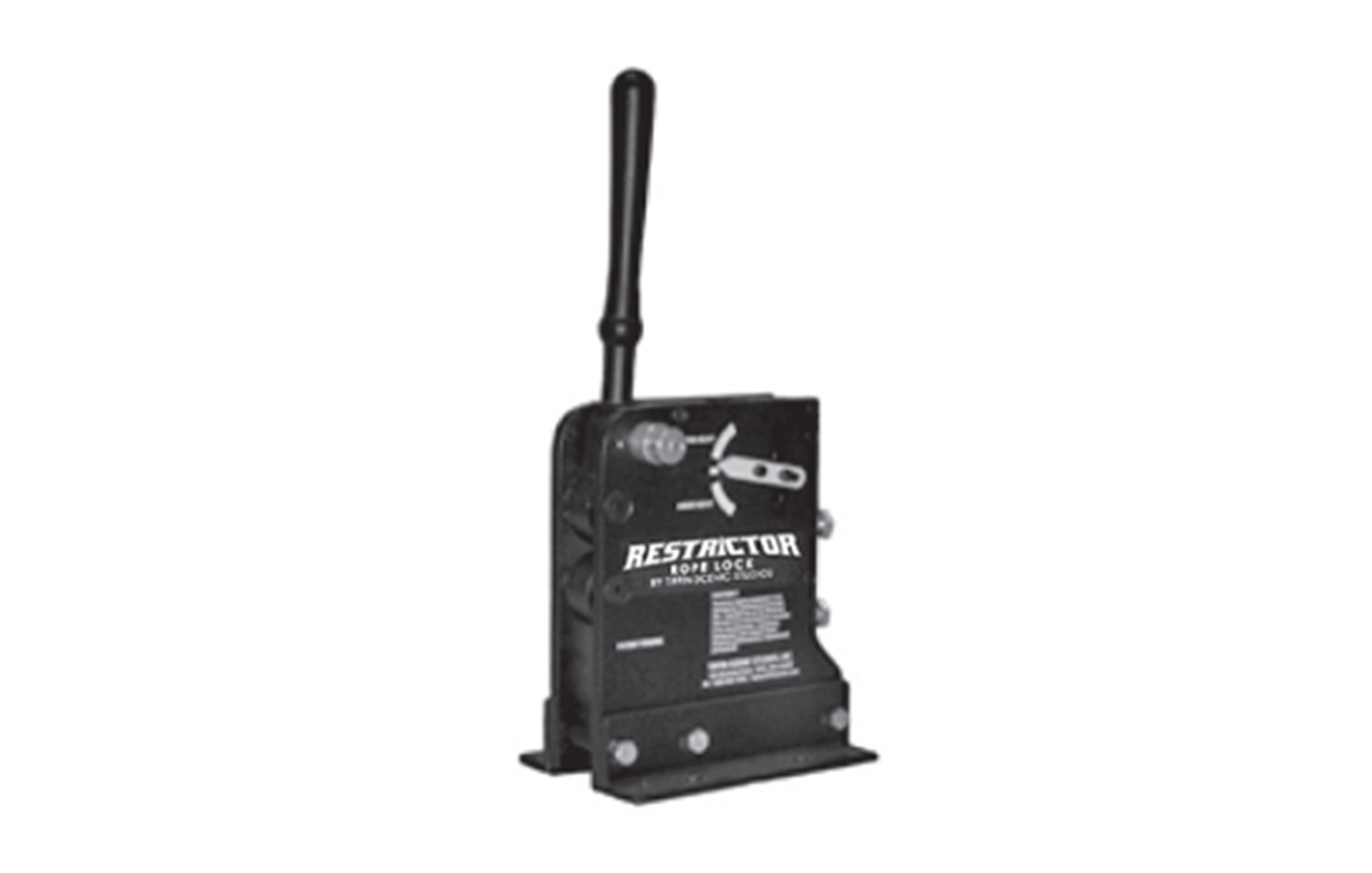
Restrictor Rope Lock
Restrictor rope locks feature steel construction, 4.5-inch shoes and a unique handle and cam design that enable it to remain closed when out of balance without the need for an oval ring. There are two options available for use with standard and custom locking rails.
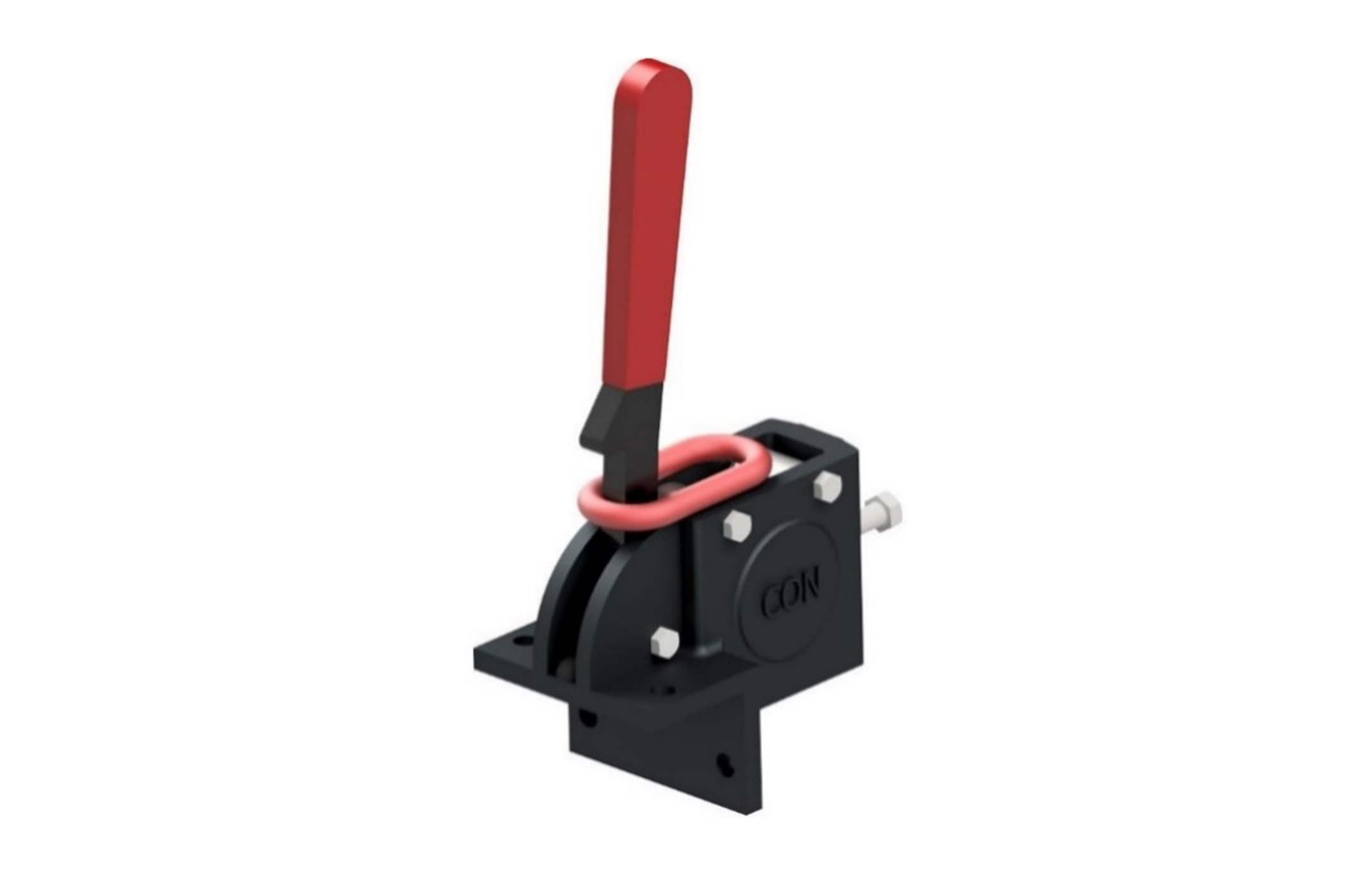
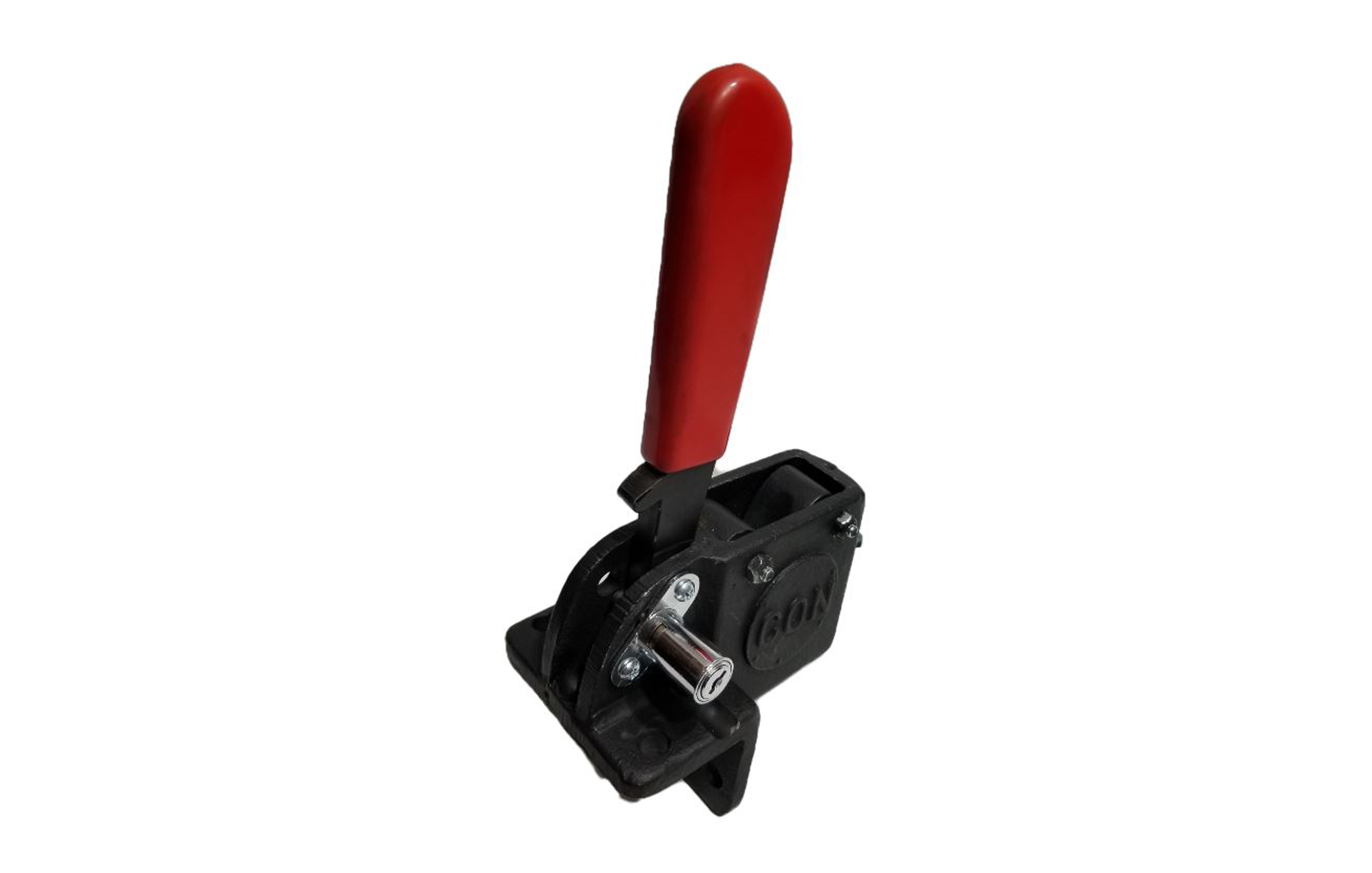
Cast-Iron Rope Lock
Cast-iron rope locks attach to the locking rail and use an adjustable cam to squeeze the operating line. The handle is available in a cast six-inch standard or a nine-inch steel. Both handles come with a vinyl-coated rope locking ring. The rope lock is designed to hold up to 90 pounds out of balance.
INDEX LIGHTS
Index lights are positioned above the locking rail, pin rail or fly floor. These dimmable lights provide illumination during stage setup and highlight the locking rail during a performance. They last up to 50,000 hours and can be run from a control station or by a light console.
PIN RAILS
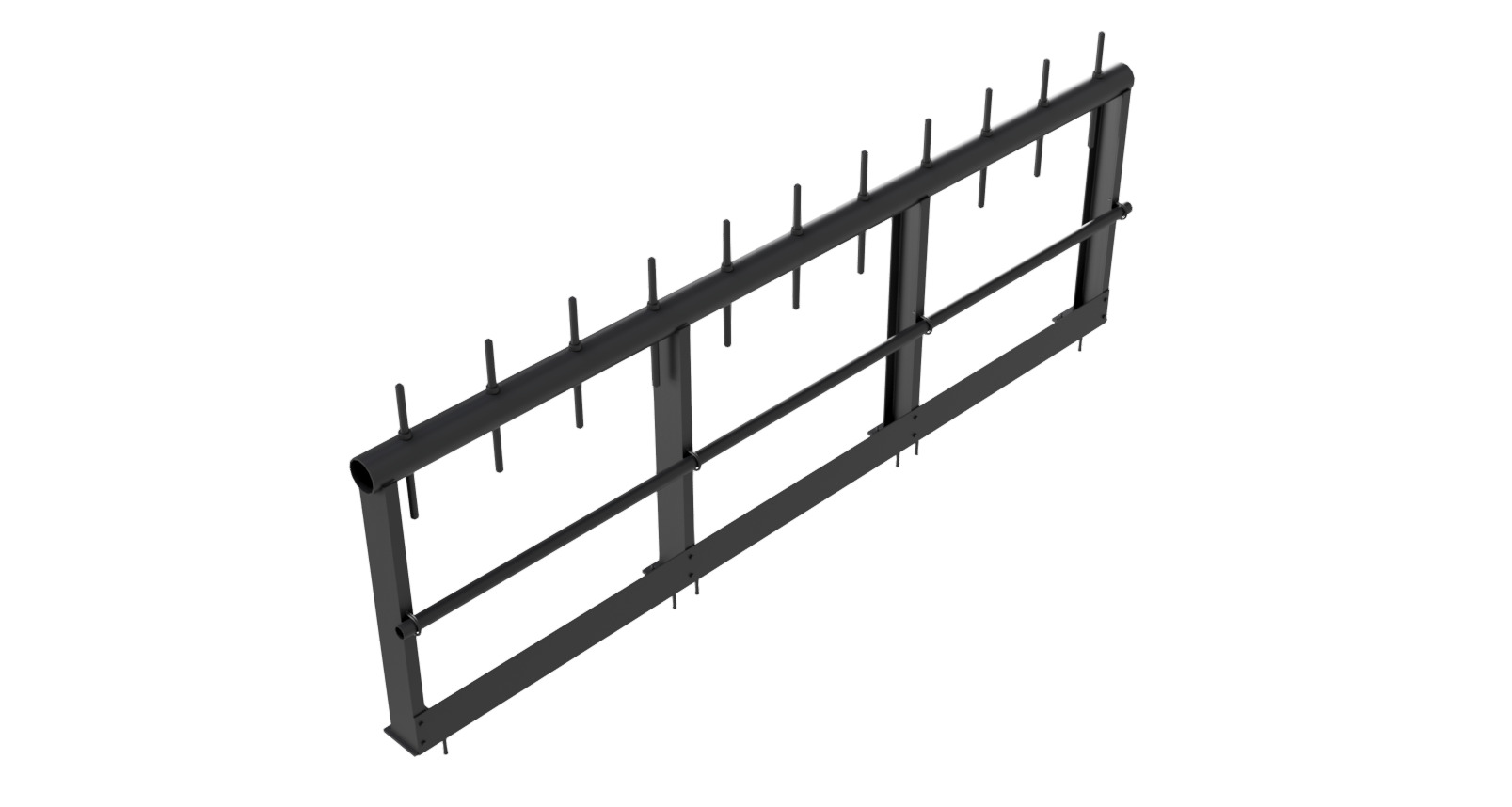
A pin rail is designed with holes to accept belaying pins. It’s used in tying off rope and sandbag rigging lines and transfers the unbalanced loads to the building structure.
Custom Solutions for Unique Stage Configurations
Older and uniquely shaped theatres and stages require a special approach to rigging. Tiffin Scenic Studios offers custom rigging design and installation services for historical theatres and black box structures. We can retrofit existing architecture or upgrade your system to enhance performances.
Are manual rigging systems safe for schools and community theatres?
Yes, but you should seek professional assistance for design, inspection and installation services.
Can manual rigging systems support complex or large-scale productions?
Yes, though there are limitations to the load capacity, number of line sets and flexibility.
What’s the difference between manual and motorized rigging systems?
Manual systems rely on human operators to move and balance equipment. Motorized systems use electronic or computerized systems to make transitions.
What types of productions or venues are best suited for manual rigging systems?
Plays, musicals and live performances in community theatres, multi-use spaces, schools and universities.
Is training required to operate manual rigging systems?
Yes. Because manual rigging varies, training is essential for promoting safe operations.
Can your team help with the installation of manual rigging systems?
Yes.
How often should manual rigging equipment be inspected or maintained?
It’s important to inspect manual rigging before each use and conduct more intensive inspections at least once a month. An annual professional inspection is also recommended.