

The right curtain track system can help you optimize system functionality. They allow for smooth movements and serve as frames and dividers so you can customize your venue to suit your needs. This guide will help you determine which style is right for production based on space requirements and design elements.
What is a Curtain Track System?
It’s a mounted rail mechanism that supports and guides curtains and drapes. The system includes rollers, mounting hardware and control components, like cords and motors, for consistent movement.
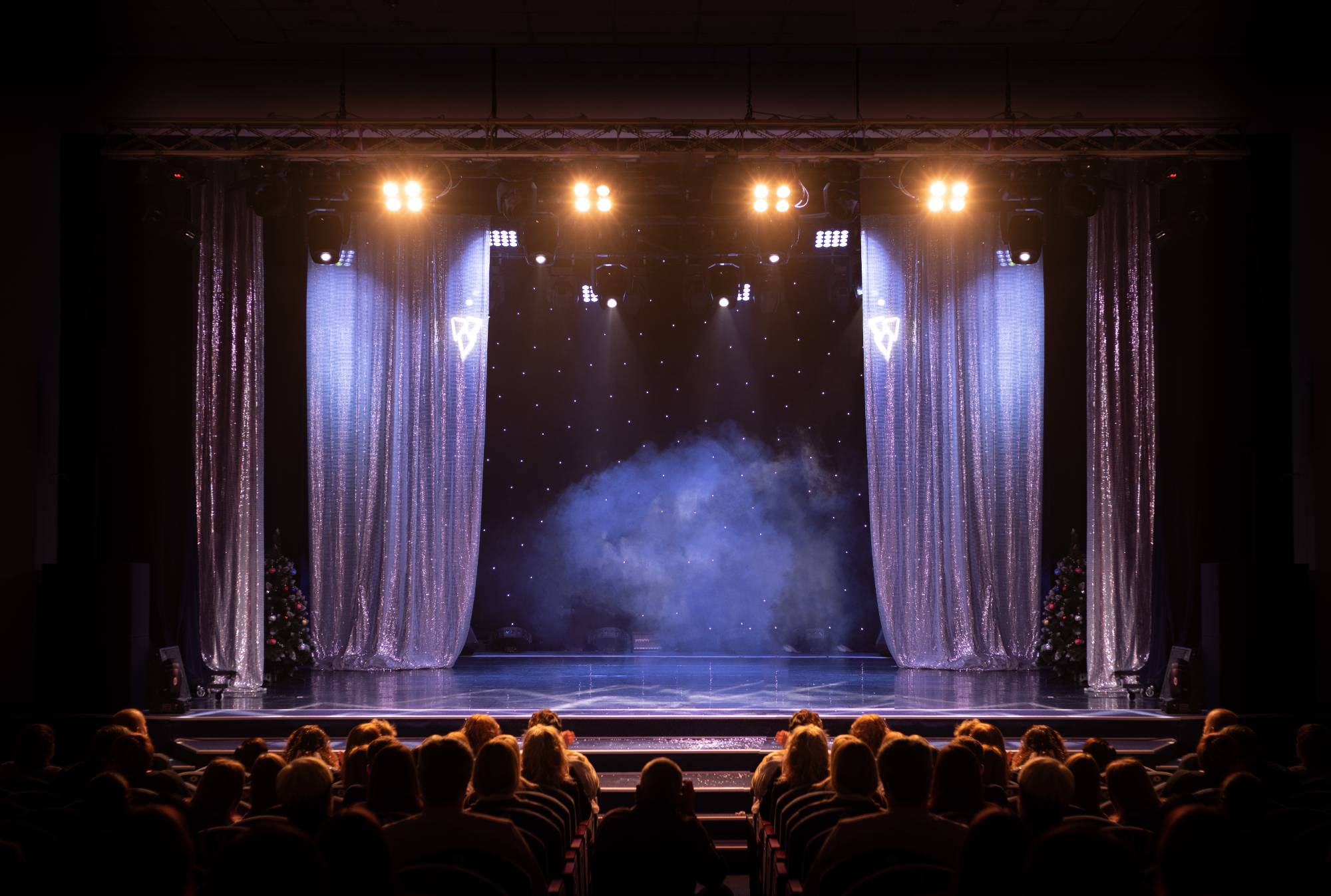
You can use them in theatres, athletic complexes and multi-purpose venues as backdrops, borders and legs to control visibility and sound absorption. In theatres, an effective track system can create seamless transitions to enhance performance quality. In gyms and fieldhouses, you may divide large spaces into functional zones or store curtains out of the way.
Types of Curtain Track Systems for Theatres and Athletics Venues
Manual Curtain Tracks
This type of curtain track system requires manual operation to open, close, and move drapes. You can pull the curtains by hand or use a pulley system to shift the fabric. Manual systems are effective for smaller venues with lighter curtains, such as community and school theatres. Their simplicity offers a more practical option if you’re working with a tight budget. You can use manual curtains to divide space, control sightlines and make temporary presentation areas. It’s important to provide consistent training so operators understand how to use them safely.
Motorized Curtain Tracks
An electric motor powers the movement in motorized curtain tracks. Belts and cables inside the track offer powerful support, making this type of equipment ideal for heavier setups. You can rely on motorized tracks to handle larger drapes and longer spans without sacrificing smooth transitions. They operate via push buttons or digital interfaces, which you can integrate into other automated controls to create a comprehensive system. If you host frequent events, assemblies and performances in a single venue, a motorized system can provide you with much-needed flexibility and efficiency. You can also use them to divide activity zones in arenas and gymnasiums.
Ceiling-Mounted Curtain Tracks
A mounted ceiling structure lets you operate curtain tracks from above a stage or presentation area. It’s a common configuration in theatres and multipurpose venues that require wall space to remain unobstructed. Tracks are fastened to ceiling joists and beams and can be operated manually or via motorized equipment.
The benefits of using a ceiling-mounted track system include:
- More floor space
- Clear walls for seating, scoreboards and other elements
- Decreased visual clutter
- Effective space division
Wall-Mounted Curtain Tracks
You can install curtain tracks into a wall instead of suspending your system from the ceiling. That setup supports curtains that move horizontally, especially in places where structural limitations and ceiling height prevent other configurations. Brackets or standoff mounts secure your system, so it’s essential to space them evenly to prevent sagging. You can use wall-mounted curtain tracks in sporting areas to separate courts, spectator seating and training zones. This style is effective in courts and arenas because it allows you to work around lighting, ductwork and other suspended elements.
Factors to Consider When Choosing a Track System
Space constraints: The size of your space directly affects the track system selection process. Ceiling height, wall space and structural components will determine whether you must use a wall- or ceiling-mounted setup.
Curtain weight: Heavier drapes require tracks with higher load ratings. That may require you to invest in a motorized system to reduce strain and support consistent motion.
Frequency of use: If you host multiple events in your performance or athletic space regularly, you may benefit from installing heavy-duty tracks with quality carriers to prevent premature wear and tear. A manual system may suit your needs if your space is used less frequently.
Budget: It’s important to balance short-term cost with long-term value when selecting curtain tracks. The greater the level of automation, the higher the price point. Motorized setups typically come with greater initial investment costs, while manual options feature a lower price tag.
Maintenance: Manual curtain tracks require minimal upkeep, while motorized alternatives are a bit more labor-intensive. Your staff may also need specialized training to operate an automated system, which can add to your overall expenses.
Curtain Tracks from Tiffin Scenic Studios
Make the most of your space and create clean sightlines with curtain track systems from Tiffin Scenic Studios. Our expert team can assess your space and identify ideal solutions that balance your budget and presentation requirements. Learn about our services and contact us to schedule a consultation.