

Fire curtains for theatres were born out of necessity. In 1903, the Iroquois Theatre in Chicago erupted in flames. Its fire safety system failed, and 602 people died.
Later inspections revealed flaws in the theatre’s drapery and deployment infrastructure, resulting in widespread changes that laid the groundwork for today’s standards.
Woodwork, hot lamps, electrical wires and yards of fabric can make theatres tinderboxes if proper measures aren’t taken, which is why fire-retardant stage curtains are a must. Understanding how the equipment works will help you keep your audience and performers safe.
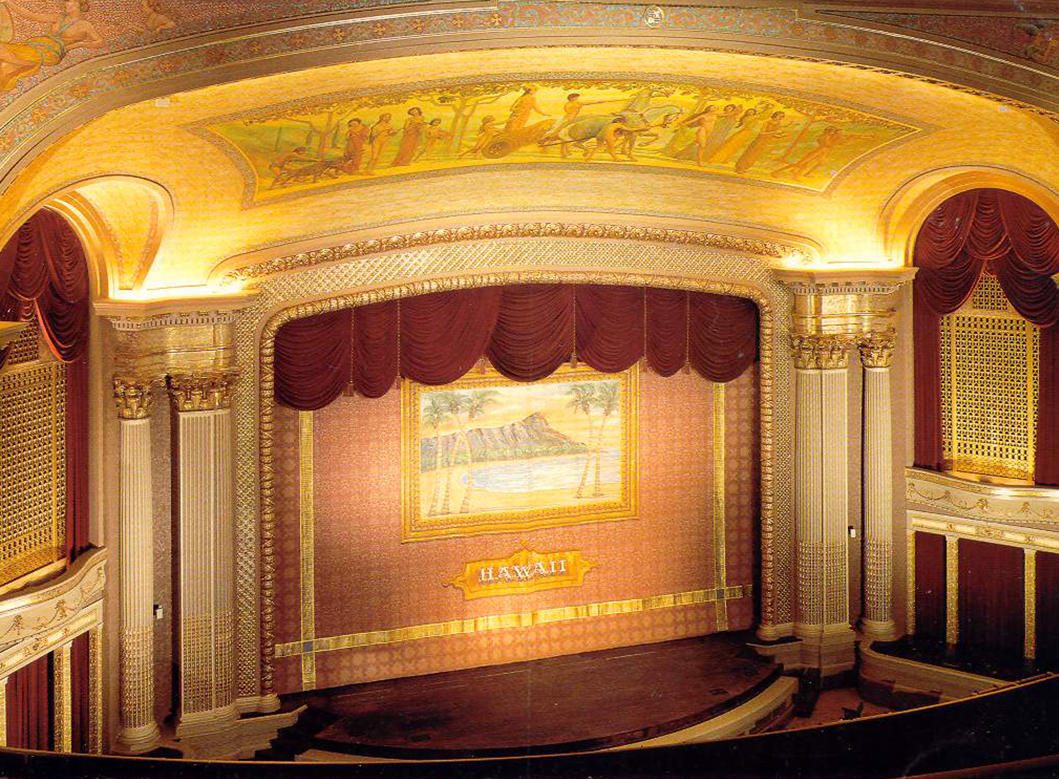
What Are Fire Curtains for Theatres?
Fire curtains are drapery designed or treated to resist and slow the spread of flames. If a fire occurs, they create a protective barrier between the ignition source onstage and the audience and performers.
It’s important to understand that these curtains aren’t fireproof. They will burn, but their composition makes them more difficult to ignite, slowing the spread of open flames and smoke. To be considered flame-retardant, all drapery components must be treated, including attachment points and sewing thread.
Fire Curtain Regulations
The National Fire Protection Association (NFPA) established these fire related safety standards:
NFPA 701: This establishes laboratory testing methods to assess how flames spread across textiles to determine if they’re flame-resistant.
NFPA 705: This method for testing fire curtains involves holding an open flame to fabric and evaluating how it burns after the flame is removed.
NFPA 101: This building safety code outlines requirements for exits, occupancy, and fire protection systems, and mandates that all hanging fabrics must pass NFPA 701.
NFPA 80: The fire curtain assembly, including the tracks, hardware and deployment equipment, must act as a barrier. This regulation dictates how those elements are installed, operated and inspected.
Types of Theatre Fire Curtains
Fire curtains fall into two categories:
Flexible: This modern fiberglass option is lighter and easier to roll.
Rigid: These solid panels are made of steel or asbestos composite, providing a sturdier design that can be more difficult to install.
Theatre curtain fabrics have varying degrees of fire resistance:
Velour: This material is common in theatres and is available in cotton and synthetic blends. Synthetic velour is inherently flame-resistant, but cotton requires a treatment.
Muslin: A cotton fabric, untreated muslin is extremely flammable. When used for cycloramas, this material must be coated in flame-retardant chemicals.
Scrim: Because it’s loosely woven, a scrim is good for lighting effects. This type of curtain can be inherently fire-resistant or treated to become so.
How Fire Curtains Work
Naturally flame-retardant fibers like polyester are woven into fire curtains to resist charring and self-extinguish once a flame has been removed. Chemical coatings function similarly. Some fire curtains are secured by a fusible link that’s engineered to melt at a specific temperature to release the drapery without human intervention.
Other deployment methods include:
Roller-type: Stored in a drum or barrel and deployed downward in a rolling motion
Guillotine-style: Stacked above the stage to drop straight down when released
Counterweight release: Controlled deployment using a counterweight system
Motorized: Raised and lowered with an electrical motor
Fire curtains are designed to create a wall that blocks radiant heat as well as flames, which is important because elevated temperatures can still cause injury. Smoke inhalation is another risk, and the tightly woven fabric of flame-retardant curtains prevents smoke from overwhelming theatre occupants. Once a fire curtain has been deployed and, it will need to be repaired and reset.
The Importance of Fire Curtain Maintenance
A fire curtain system can sit unused for years at a time, but it’s essential to keep it in working order if it’s ever needed. The materials and chemical treatments can degrade over time, and dust buildup can reduce flame-retardancy. If you operate in a humid climate, fire-resistant chemical treatments can break down, so they’ll need to be reapplied periodically.
Here are some maintenance tasks to complete during your regular walkthroughs:
- Look for signs of corrosion and mechanical wear on fusible links, ropes, pulley and curtain tracks.
- Conduct drop tests to ensure fire curtains fall freely and aren’t obstructed by scenery or props.
- Have your curtains dry cleaned periodically to avoid water-based cleaning that can strip the chemical treatment.
- Schedule retreatment and retesting every one to three years.
- Lubricate tracks, pulleys and cables.
- Schedule a professional inspection with a certified rigger to verify the integrity of fire curtain fabric, hardware and release mechanisms.
- Document inspection findings and maintain updated records.
Fire Curtain Installation and Inspection in Northwest Ohio
If you want to simplify the theatre curtain installation and inspection process, Tiffin Scenic Studios has the expertise to handle the job. We offer a variety of fire curtains and accessories that meet nationally recognized standards. Learn about our additional services and contact us to schedule a consultation.