

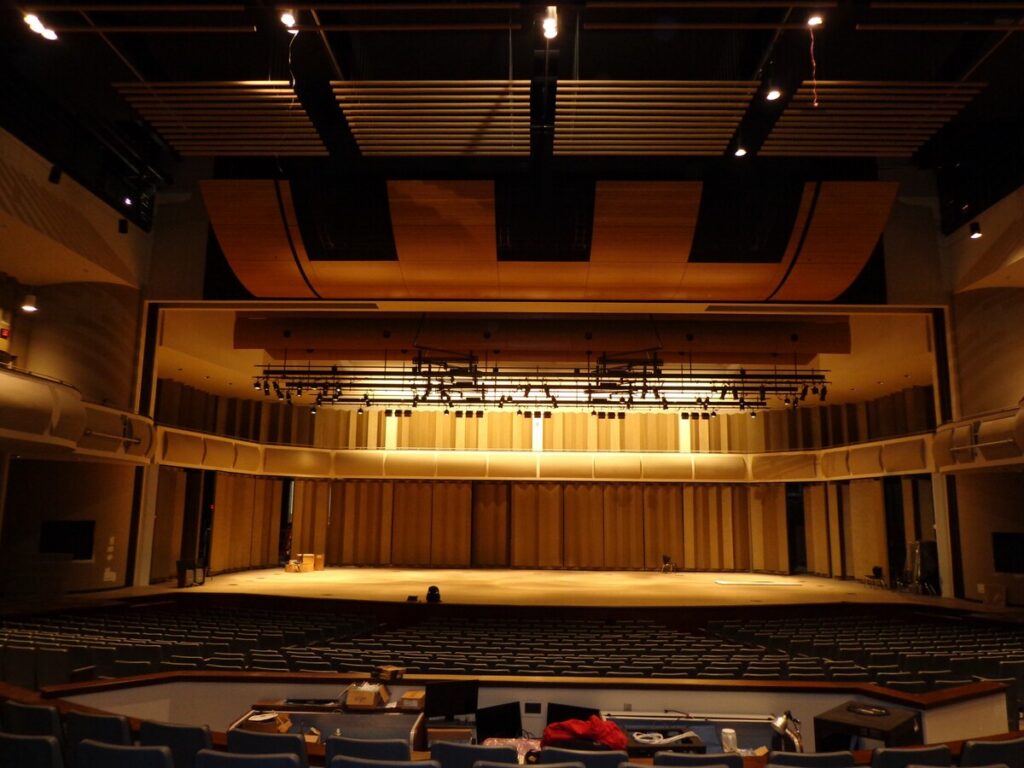
Are you building a new stage or renovating an existing space?
The cost of stage rigging will vary based on the size of your project and design choices. While it shouldn’t be the sole factor that guides your decisions, the expense of a system will influence the adjustments you must make to have a safe and optimized performance area.
Stage rigging can cost anywhere from a few thousand to several million dollars. Understanding what alters total expense, from package type to customization to venue style, can help you optimize your budget.
The Answer: The Cost Depends on the System
There is no single factor that defines the final expense of installing stage rigging. Your underlying infrastructure and the type of equipment you select will dictate how much you’ll spend on design, installation, inspection and maintenance. Consider the following options when weighing cost variables.
Manual Counterweight Rigging Cost
If you have a smaller venue or require a budget-friendly solution, a manual rigging system is a good option. It typically ranges from $2,000 to $4,000 to install in a theatre that’s already designed to support it. You’ll face increased costs if your stage must be renovated to accommodate updates.
Because it doesn’t include the motors, computerized controls and electrical infrastructure needed for motorized alternatives, manual rigging is typically a cheaper option that can still provide you with reliable performance. Fewer components mean reduced maintenance and operating costs, too.
Keep in mind: installation labor and the loading bridge required to add counterweights to a manual system can quickly add to construction costs. You also have to budget for using walkable gridirons or catwalks that must meet strict safety standards.
Motorized Rigging System Cost
The cost of a motorized stage rigging system varies widely because it depends on what you need. If you’re only looking for a single component, like a motor, you may pay up to $4,000 just for that piece of equipment. On the other hand, you could face upward of $35,000 for a fully automated design. That number increases the larger the venue.
You can add motorized elements piece by piece, such as fly systems, line shaft hoists and track systems to make the most of your budget. However, if you find yourself continuously customizing your rigging, it may be worth investing in a new system to avoid long-term installation and maintenance costs.
If your productions feature dynamic staging and you need to invest in a system that can accommodate complexity, consider manufacturer-packaged motorized systems for a cost-effective alternative to custom installations.
Dead Hung Rigging Cost
Dead hung rigging is the least expensive option of the three, but it depends on how much equipment you require. A few components can cost you a couple of thousand dollars, while a full-scale installation could drastically increase those numbers.
Because this type of rigging is fixed, you don’t have to factor in the cost of arbors, lock rails, counterweights and motors. You can motorize your setup, but expect the price to increase. It’s an economical option if you don’t need to fly scenery or move drapery.
What Affects the Price of Stage Rigging?
Number of line sets: The more cables or wires you need to raise your battens, the more expensive the rigging because you must also account for the arbors, connection hardware and hoists needed to accommodate each line.
Stage size: A bigger stage needs more rigging that can handle higher load capacities and additional connection points to accommodate the proscenium and fly space. If you’re operating a tall stage, you could also face increased expenses due to the greater need for grids and structural support.
Electrical infrastructure: Control panels, wiring and power grids can rack up costs quickly, so you’ll need to budget for them if you’re investing in a motorized system. If you’re working with a dated facility, you might also have to fork over some extra funds to pay for an electrical upgrade.
Safety features: Guardrails, fall protection and emergency brakes are required by building codes and industry standards. While they’re necessary for protecting your performers, audience and crew, they also increase the cost of installing a rigging system.
Labor: Installation often costs as much as the equipment itself. The more complex your setup, the more technical expertise is required to do the work.
Curtains and drapery: Each curtain needs a line set, so you may face higher costs if your venue requires lots of drapery. Curtain type and material will also directly affect the overall expense of your production.
Find Your Custom Rigging Solution at Tiffin Scenic Studios
From school theatres to large-scale arenas and performance spaces, Tiffin Scenic Studios is well-versed in crafting custom rigging solutions to suit diverse venues. Our team will assess your space, provide design recommendations and manufacture the exact system you need to create engaging visual displays and performances. Learn about our theatre rigging products and contact us to schedule a consultation.